What Is Fascism and Is It Returning?
TL;DR
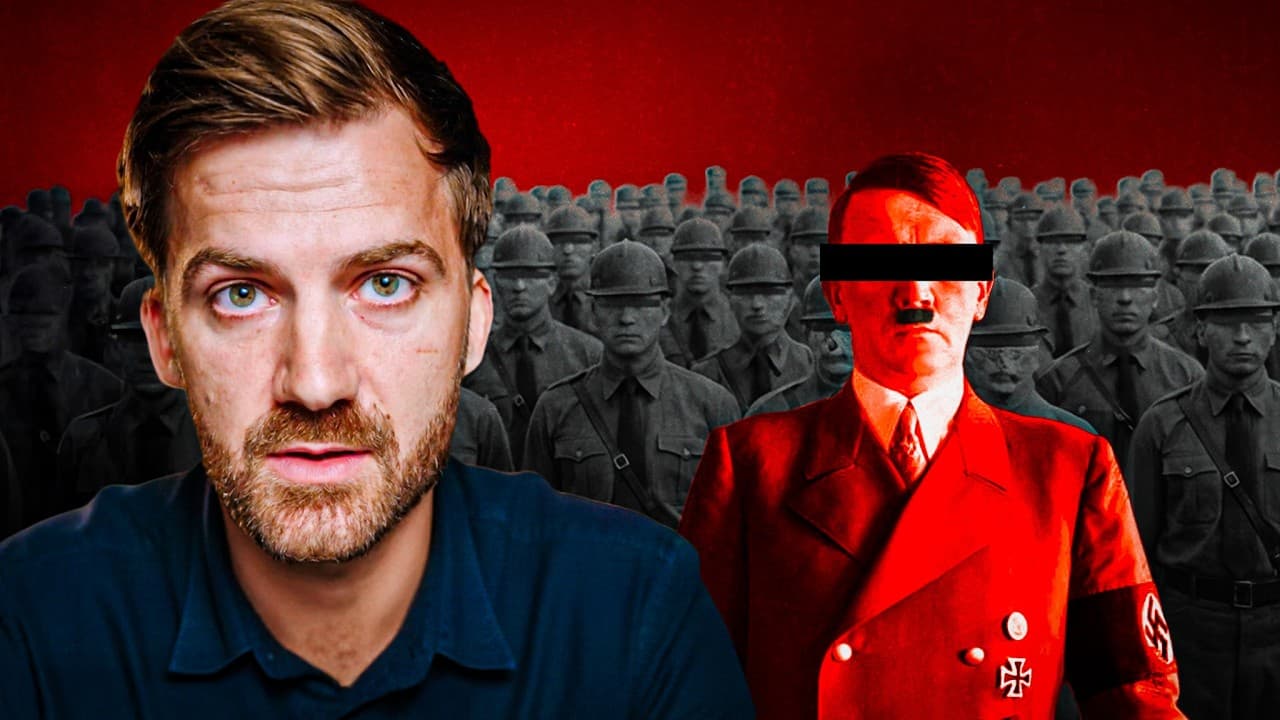
Fascism is an authoritarian political ideology marked by suppression of opposition, extreme nationalism, glorified violence, and efforts to dismantle democracy from within. By examining Mussolini, Hitler, and the 25 years between the two world wars, the discussion shows how crisis, propaganda, mythologized national rebirth, and elite support helped fascism grow. Experts disagree on whether similar modern movements are fascist or illiberal democracies, making the historical patterns worth examining closely.
Transcript
- I keep hearing this word: "fascism." - Fascism.
- Fascism. - Fascism. - Fascist.
- He's a fascist. - Fascist.
- Fascism. - And I have a confession to make, which is, I don't totally understand it. I feel kind of naive. When I think of fascism, I think of World War II. I think of the Nazi regime committing some of the most horrendous atrocities in... Read More
Key Insights
- Fascism is characterized by authoritarian leadership, suppression of opposition, and extreme nationalism.
- Mussolini and Hitler used violence and propaganda to dismantle democratic systems from within.
- Modern political movements show some features of fascism but often operate within democratic frameworks.
- Experts disagree on whether current trends represent fascism or new forms of illiberal democracy.
- Fascism historically relied on support from mainstream elites and business interests.
- The glorification of a mythologized past and the promise of national rebirth are central to fascist narratives.
- Fascism is not just any politics one dislikes; it involves specific methods of power and control.
- Understanding fascism's patterns helps recognize potential threats to democracy today.
Install to Summarize YouTube Videos and Get Transcripts
Explore YouTube Video Summarizer or Get YouTube Transcript Extractor
Questions & Answers
Q: What is fascism, and is it returning?
Fascism is characterized by authoritarian leadership, suppression of opposition, extreme nationalism, glorified violence, and the dismantling of democratic systems from within. Experts disagree on whether current movements amount to fully fledged fascism or are better understood as illiberal democracies operating through distorted democratic frameworks.
Q: What characteristics define fascism as a political ideology?
Its defining features include authoritarian power, suppression of opposition, extreme nationalism, glorification of violence, and a unified society organized around a charismatic leader. Fascist narratives also invoke a mythologized past and promise national rebirth.
Q: Why does the discussion focus on Mussolini and Hitler?
The discussion treats Mussolini and Hitler as central to understanding fascism at its roots and examines how it began and became successful. It therefore focuses on the 25 years between the two world wars and on the methods these two leaders used to dismantle democracy.
Q: How did Mussolini and Hitler use fascist tactics to gain power?
They exploited social unrest, used violence against opposition, and relied on propaganda promising national rebirth. They also gained support from political and business elites before dismantling democratic institutions from within.
Q: How did World War I help create conditions for fascism?
Four years of violence left societies damaged and produced anger, resentment, and humiliation in Italy and Germany. Italy described its outcome as a “mutilated victory,” while Germany lost over two million soldiers, half a million civilians, 13% of its territory, and money that later lost 99.9999999% of its value.
Q: What role did fragile democracies play in fascism’s rise?
Italy had a king, parliament, and democratic practices, while Germany had voting, a parliament, and individual rights protected by law. As these fragile democracies entered crisis, people increasingly questioned the existing system and considered communist or ultra-nationalist alternatives.
Q: Why do some experts call modern movements illiberal democracies rather than fascist?
Some modern movements distort democratic systems and erode liberal principles while retaining a democratic facade. Because they have not fully dismantled democracy or offered a complete alternative political system, some experts consider “illiberal democracy” more precise than “fascism.”
Q: What warning signs can help identify possible fascist threats?
Relevant patterns include authoritarian leadership, suppression of opposition, glorified violence, extreme nationalism, propaganda, and stories promising a return to a mythologized past. Studying how fascist leaders used these methods helps people evaluate modern movements without treating “fascist” as a generic political insult.
Summary & Key Takeaways
-
Fascism, originating with Mussolini and Hitler, involves authoritarian rule, suppression of opposition, and extreme nationalism. Both leaders used violence and propaganda to dismantle democratic systems, gaining support from elites. Modern political movements show some features of fascism but often operate within democratic frameworks, leading experts to debate whether they represent fascism or new forms of illiberal democracy.
-
Experts disagree on whether current political trends constitute a resurgence of fascism or if they represent a new threat to democratic systems. Some argue that these movements are 'wannabe fascists,' lacking the full dismantling of democracy. Others see them as dangerous illiberal democracies, distorting democratic systems while maintaining a facade of democracy.
-
The video emphasizes the importance of recognizing patterns of domination, violence, and authoritarianism in political movements. Understanding fascism's historical context and its defining features helps identify potential threats to democracy today, even if they do not fully align with historical fascism. The discussion encourages vigilance and proactive measures to safeguard democratic values.
Read in Other Languages (beta)
Share This Summary 📚
Summarize YouTube Videos and Get Video Transcripts with 1-Click
Try YouTube Summary with ChatGPT & Claude or YouTube Transcript Generator
Explore More Summaries from Johnny Harris 📚

Summarize YouTube Videos and Get Video Transcripts with 1-Click
Try YouTube Summary with ChatGPT & Claude or YouTube Transcript Generator