How to Reach the New York Times Bestseller List
TL;DR
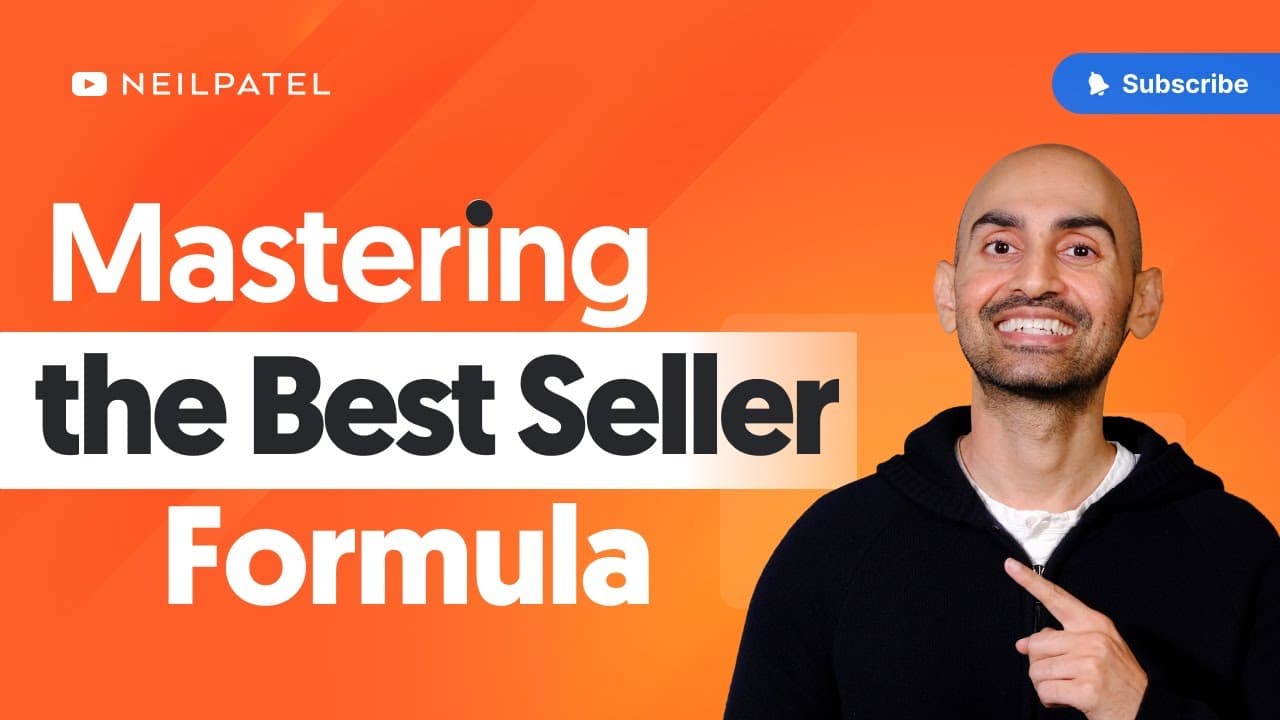
Neil Patel reached the New York Times bestseller list by concentrating preorders and large corporate purchases in the book’s first week. He estimates that corporations bought more than 50,000 or 60,000 copies of “Hustle,” helping it reach fifth place and remain listed for more than one week. The credential did not significantly advance his speaking or business career, so read on to understand both the campaign and its limitations.
Transcript
- I didn't get on the "New York Times" bestseller list because a lot of individuals bought the book. You know, be fully transparent. That wasn't the case. I got on the "New York Times" bestselling list because- (cheerful digital music) - Ladies and gentlemen, Neil Patel. What's up, Neil? - Ah, thanks for having me. I didn't even know I was a "Los A... Read More
Key Insights
- Neil Patel’s bestseller campaign was driven mainly by corporate purchases rather than large numbers of individual readers. Publicly traded companies in his network committed substantial amounts of money, sometimes buying thousands of copies per order, which created high sales volume quickly.
- First-week order volume was central to Patel’s strategy for reaching the New York Times bestseller list. Preorders contributed to that opening period, allowing sales arranged before publication to support the book’s performance when the list evaluated its initial demand.
- A specialized company helped coordinate the purchasing process across different cities and locations. The company understood the approximate preorder requirements, placed distributed orders, collected the resulting books, and delivered them to the corporations that had funded the purchases.
- Corporate sales exceeded 50,000 or 60,000 copies by Patel’s estimate. His business connections made it relatively easy to secure large commitments, including purchases described as worth $100,000 or $200,000, instead of depending exclusively on individual consumer demand.
- The book reached fifth place on the New York Times bestseller list and remained on the list for more than one week. Patel believed beforehand that the campaign would succeed because he understood the formula and could arrange enough concentrated order volume.
- The bestseller credential did not significantly increase Patel’s speaking income or generate more business. He identifies the book’s multiple authors and its weak connection to his established marketing specialty as likely reasons it failed to advance his career as intended.
- Industry relevance is more important than a bestseller label for authors using books to support speaking or business goals. Patel believes a book can help professionally, but its subject should connect directly to the author’s industry and existing commercial expertise.
- Traditional publishing produced less favorable economics for Patel than self-publishing would have, although royalties were not his priority. He pursued the project primarily for the New York Times credential and did not knowingly include courses, services, or another backend offer in the book.
Install to Summarize YouTube Videos and Get Transcripts
Explore YouTube Video Summarizer or Get YouTube Transcript Extractor
Questions & Answers
Q: How did Neil Patel reach the New York Times bestseller list?
Neil Patel concentrated substantial preorder and corporate sales volume around the first week of the book’s release. Corporations in his network bought thousands of copies, while Result Source coordinated purchases through different locations. Patel says large individual-reader demand was not what put the book on the list.
Q: Why were first-week sales and preorders important to the campaign?
Patel says the New York Times list looks at how many books are ordered in the first week. Preorders supported that opening-week volume, so purchases arranged before publication contributed to the campaign’s result.
Q: How many copies did corporations buy?
Patel estimates that corporate orders accounted for more than 50,000 or 60,000 copies. Some companies bought books to distribute to employees or give away at industry events.
Q: What role did Result Source play in the bestseller campaign?
Patel identifies Result Source as a San Diego company that understood the list’s formula and could provide a rough sales target. According to the existing account, it placed corporate-funded orders through different locations, collected the books, and delivered them to the corporations.
Q: How successful was “Hustle” on the New York Times bestseller list?
“Hustle: The Power to Change Your Life With Money, Meaning, and Momentum” reached fifth place on the New York Times bestseller list. Patel says it remained on the list for more than one week because the campaign generated enough sales volume.
Q: Did becoming a New York Times bestselling author help Neil Patel’s career?
Patel says the credential did not significantly help his speaking career or generate more business. He believes having multiple authors and writing a book unrelated to his marketing industry limited its professional impact.
Q: What should business experts consider when writing a book for career growth?
Patel’s experience suggests that the book’s subject should align closely with the author’s industry. His own book was not about marketing, and he identifies that mismatch as one reason the project did not produce the speaking and business benefits he wanted.
Q: Would Neil Patel have earned more by self-publishing?
Patel says he would have made more money if he had self-published. However, royalties were not his main objective; he pursued traditional publication so he could add “New York Times bestselling author” to his biography.
Summary & Key Takeaways
-
Neil Patel pursued a bestselling book primarily to add the New York Times credential to his biography and improve his speaking and business opportunities. He co-authored “Hustle,” contributed mainly to its promotion, and relied heavily on his corporate relationships to generate substantial preorder and first-week sales volume.
-
Large corporations purchased thousands of copies at a time, producing more than 50,000 or 60,000 copies in corporate sales by Patel’s estimate. A specialized company coordinated orders through different locations before collecting the books and delivering them to the corporations, helping the campaign satisfy the list’s sales pattern.
-
The book reached fifth place on the New York Times bestseller list and remained listed for more than one week, but Patel says the achievement did not deliver his intended career benefits. Readers nevertheless reported that the book helped them, while Patel concluded that industry relevance matters more than the bestseller label for business impact.
Read in Other Languages (beta)
Share This Summary 📚
Summarize YouTube Videos and Get Video Transcripts with 1-Click
Try YouTube Summary with ChatGPT & Claude or YouTube Transcript Generator
Explore More Summaries from Neil Patel 📚




Summarize YouTube Videos and Get Video Transcripts with 1-Click
Try YouTube Summary with ChatGPT & Claude or YouTube Transcript Generator