How Does Innovation Sustain Economic Growth?
TL;DR
Sustained economic growth depends on science-based innovation, competitive entry and exit, and a society willing to accept technological change. Because creative destruction also displaces workers and firms, policies should preserve innovation while providing safety nets, retraining, and help returning to the labor market, particularly during periods of rapid change such as the emergence of artificial intelligence.
Transcript
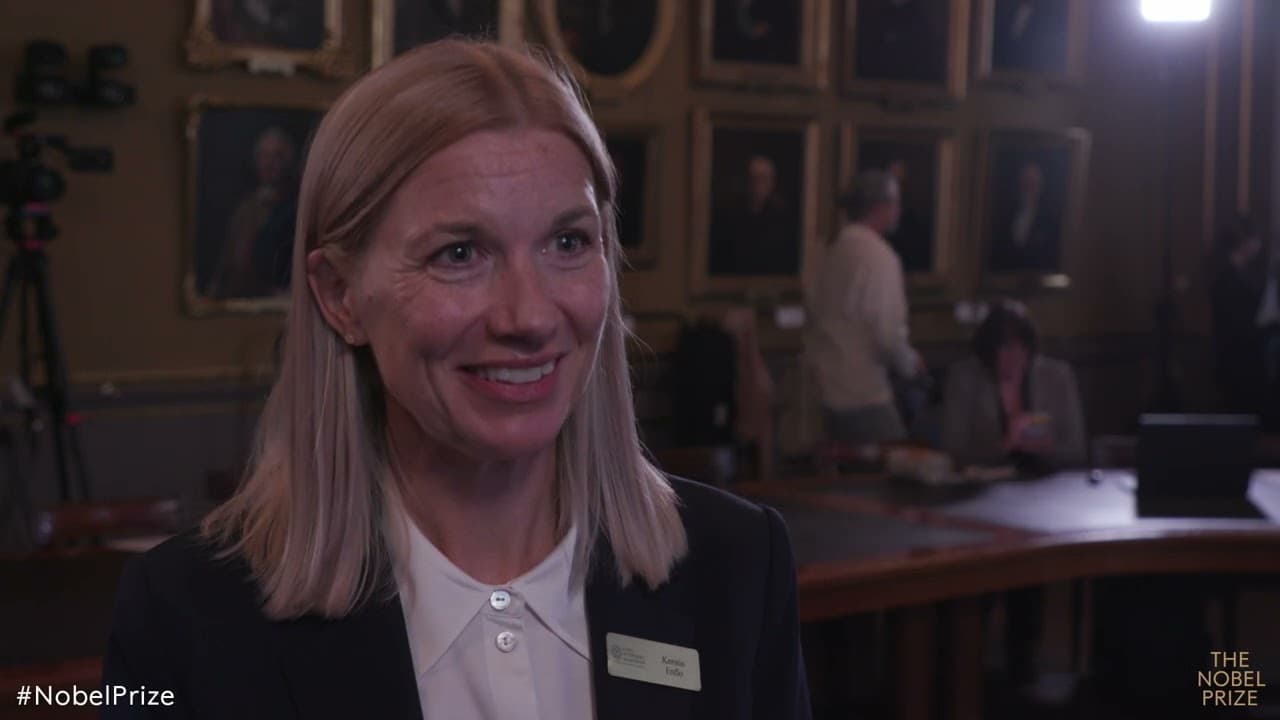
Professor Shashton Ianflow, member of the committee of the economic sciences prize. What is this year's prize about? It's about one of the largest questions in social sciences. It's about what drives economic growth and why doesn't it stop when it has started? Could you tell me more about that? What why is this important to know? So I think we tend... Read More
Key Insights
- Sustained economic growth is historically unusual because most of history experienced essentially no growth, even though innovation and technological change still occurred. Explaining growth therefore requires identifying the conditions that allowed technological advances to begin producing continuing economic expansion.
- Economic stability can emerge from substantial market turbulence. In the United States, 10% of firms leave the market every year and another 10% enter, showing that a stable long-term growth pattern can rest on continuous competitive disruption.
- Joel Mokyr's contribution is a historical explanation of the prerequisites for sustained growth through technological progress. His work addresses why innovation existed throughout history but began feeding into persistent economic growth only under particular conditions.
- Philippe Aghion and Peter Howitt's contribution is a mathematical theory of sustained growth through creative destruction. Their model uses modern data to explain how competition, firm entry, firm exit, and the replacement of less competitive businesses can generate economic growth.
- Science-based innovation is presented as a fundamental force behind sustained economic growth. Understanding and supporting this force matters because growth has stopped during earlier periods of economic history and therefore should not be treated as automatic.
- Creative destruction works only with continued social openness to change. Society must allow innovative firms and technologies to challenge existing activities while maintaining enough public support for technological progress and the disruption it produces.
- Worker support is necessary when technological progress causes job losses. Safety nets, retraining, and assistance returning to the labor market can help people who lose employment because they or their employers have been outcompeted.
- Artificial intelligence has the potential to increase innovation, improve access to information, and generate new knowledge. Its use in AlphaFold was cited as an example of creating medical knowledge, although AI also presents dangers that society must balance against its benefits.
Install to Summarize YouTube Videos and Get Transcripts
Explore YouTube Video Summarizer or Get YouTube Transcript Extractor
Questions & Answers
Q: What drives sustained economic growth over time?
Sustained economic growth is driven by science-based innovation, technological progress, competition, and creative destruction. New firms and technologies enter markets while others are displaced, creating disruption beneath relatively stable growth. Historical conditions must allow innovation to translate into continued economic expansion, and society must remain open to change so that this process can keep functioning.
Q: Why is long-term economic growth historically unusual?
Long-term economic growth is unusual because, throughout most of history, there was essentially no growth even though innovations and technological changes occurred. The important question is therefore not simply whether people innovate, but why technological advances began feeding into sustained growth. The prize-winning research examines the prerequisites that enabled this historical transition and helped growth continue.
Q: What is creative destruction in economic growth?
Creative destruction is the disruptive process through which firms compete, new businesses and innovations enter the market, and existing firms leave after being outcompeted. Despite the turnover it creates, this process can generate sustained economic growth. In the United States, 10% of firms leave the market and 10% enter every year, illustrating the scale of the underlying disruption.
Q: What did Joel Mokyr contribute to growth economics?
Joel Mokyr used historical methods to investigate why sustained economic growth emerged in the first place. His work identified prerequisites for growth through technological progress and addressed a central puzzle: innovations occurred throughout history, but they did not always produce continuing growth. His contribution explains the conditions under which technological change began driving sustained economic expansion.
Q: What did Philippe Aghion and Peter Howitt explain?
Philippe Aghion and Peter Howitt developed a mathematical theory explaining sustained growth through creative destruction. Using modern data, their model shows how firms entering and leaving markets, competing, innovating, and replacing one another can produce economic growth. Their contribution connects disruptive activity at the firm level with stable patterns of growth across the broader economy.
Q: How should policy respond to technological job losses?
Policy should preserve support for creative destruction while helping people who lose jobs because technological progress or competition has displaced them. The proposed response includes safety nets, retraining, and assistance returning to the labor market. These measures can reduce the personal costs of disruption and help maintain society's openness to innovation and technological change.
Q: How could artificial intelligence affect innovation and growth?
Artificial intelligence may increase innovation, change how people access information, and help generate new knowledge. AlphaFold was cited as an example in which AI produced new medical knowledge. However, broad conclusions about AI remain difficult, and the technology also carries dangers. Society must balance these risks and benefits to preserve support for technological progress.
Q: Why is the 2025 economic sciences prize important?
The 2025 prize is important because it explains innovation-driven economic growth during a period of rapid technological change. The recognized research clarifies both the benefits of technological progress and the threats created by disruption. It also offers guidance for protecting innovation, keeping creative destruction functional, supporting displaced workers, and sustaining public openness to change.
Summary & Key Takeaways
-
The 2025 economic sciences prize recognized research explaining innovation-driven economic growth. Joel Mokyr identified historical prerequisites for sustained growth through technological progress, while Philippe Aghion and Peter Howitt developed a mathematical theory showing how creative destruction, market competition, and the replacement of firms can produce continuing economic growth.
-
Long-term growth is remarkable because stability at the aggregate level rests on considerable disruption underneath. In the United States, 10% of firms leave the market and 10% enter each year. The laureates explain how innovation and competitive turnover can transform this turbulence into growth that continues over extended periods.
-
Technological progress brings valuable innovations and knowledge, but it can also displace workers and create social risks. Governments should maintain support for creative destruction while offering safety nets, retraining, and pathways back into employment. Artificial intelligence illustrates both sides because it may accelerate innovation while introducing dangers that require careful balance.
Read in Other Languages (beta)
Share This Summary 📚
Summarize YouTube Videos and Get Video Transcripts with 1-Click
Try YouTube Summary with ChatGPT & Claude or YouTube Transcript Generator
Explore More Summaries from Nobel Prize 📚



Summarize YouTube Videos and Get Video Transcripts with 1-Click
Try YouTube Summary with ChatGPT & Claude or YouTube Transcript Generator