How Did Markets Absorb the Hormuz Oil Shock?
TL;DR
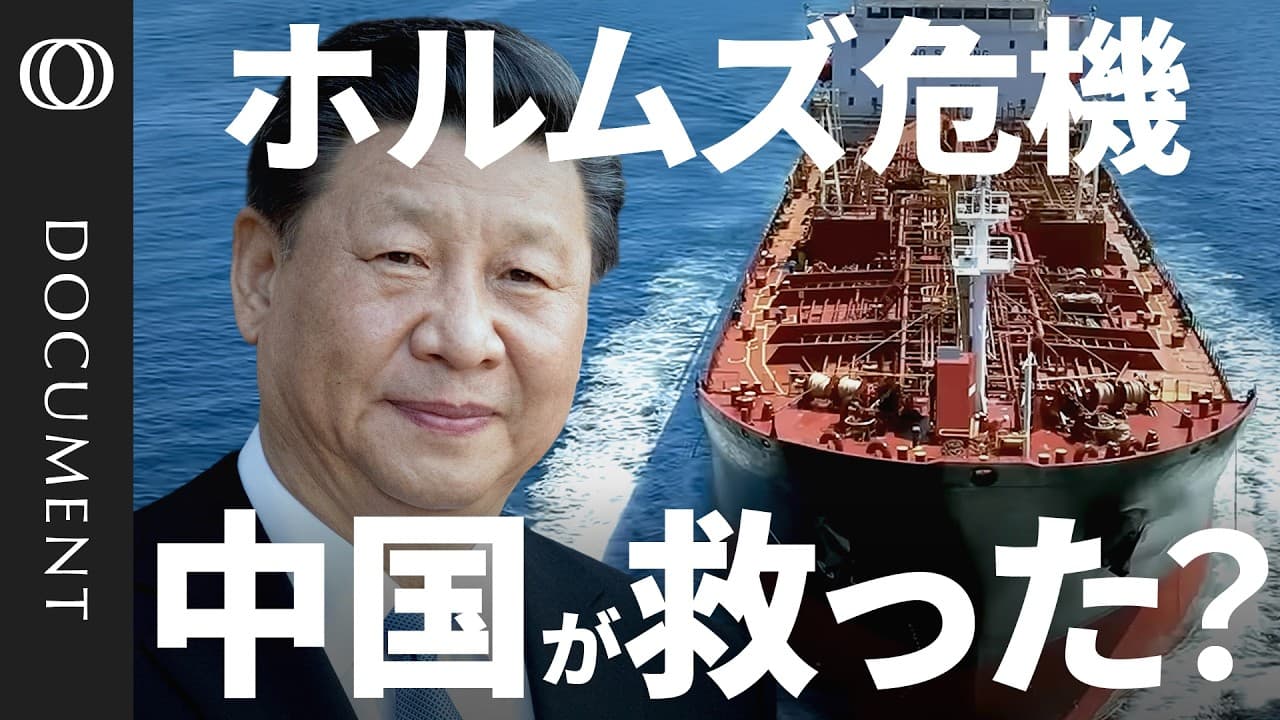
China helped prevent a larger oil-price surge by cutting crude imports by 4 to 5 million barrels per day, while coordinated stockpile releases and bypass pipelines replaced much of the disrupted supply. Markets adapted despite roughly 20 million barrels per day being blocked, but Hormuz remains vital because of persistent shipping risks, concentrated LNG supply, and low-cost Middle Eastern production.
Transcript
Sometimes it's best to expect the unexpected. >> When the Strait of Hormuz first closed, everyone was in a panic and it was the biggest crisis that many of us have seen in this generation. >> There are thousands of vessels that are stuck. >> Ships are still getting attacked. >> They said they control the strait, they do not. >> We heard from the In... Read More
Key Insights
- The Strait of Hormuz carries 20% to 25% of the world's oil and seaborne gas trade, equal to roughly 20 million barrels of oil per day, making any closure a major threat to energy markets and other essential cargoes.
- Oil prices exceeded $126 per barrel during the disruption, but predictions of $150 or $200 did not materialize because markets combined stored supplies, higher exports, bypass infrastructure, and reduced consumption to compensate for much of the shortfall.
- Existing oil surpluses, strategic national reserves, and commercial inventories offset about 9 million barrels per day of disrupted supply, including a coordinated International Energy Agency release of roughly 400 million barrels from storage around the world.
- Bypass pipelines preserved another 6 million barrels per day of Middle Eastern oil flows, with Saudi Arabia moving crude west to Yanbu and the United Arab Emirates using Fujairah outside the strait.
- China reduced crude imports by 4 to 5 million barrels per day, reaching the lowest level in about eight years, largely because it paused strategic stockpiling during the crisis.
- China's reduced oil demand was greater than Japan's typical daily imports, and its decision not to compete as aggressively for available barrels helped limit additional upward pressure on global prices.
- China's energy resilience reflects earlier electrification investments, including rapid electric-vehicle adoption, while its production of about 90% of global solar equipment supported a sharp wartime increase in solar exports.
- Hormuz remains strategically important because shipping dangers persist, LNG supply is highly concentrated, and Middle Eastern producers retain low production costs, even as countries pursue redundancy, alternative pipelines, and broader energy options.
Install to Summarize YouTube Videos and Get Transcripts
Explore YouTube Video Summarizer or Get YouTube Transcript Extractor
Questions & Answers
Q: Why did oil prices not reach $150 or $200 per barrel?
Oil prices did not reach the predicted extremes because several buffers replaced or removed much of the disrupted supply. Existing surpluses, national reserves, and commercial inventories offset about 9 million barrels per day, while bypass pipelines supplied another 6 million. China cut crude imports by 4 to 5 million barrels per day, broader demand destruction reduced consumption, and US exports reached a record.
Q: How did China help prevent a larger oil-price surge?
China helped stabilize the market by reducing crude imports by 4 to 5 million barrels per day, bringing them to their lowest level in about eight years. The decline was partly attributed to a pause in strategic stockpiling. Because China was not competing as strongly for scarce barrels, other buyers faced less pressure, limiting the price impact of the Hormuz disruption.
Q: How much oil normally passes through the Strait of Hormuz?
Roughly 20 million barrels of oil pass through the Strait of Hormuz each day. The waterway accounts for about 20% to 25% of the world's oil and seaborne gas trade. Before the war, it handled approximately 120 to 130 commercial ship movements daily, with oil and gas vessels representing about half of that traffic.
Q: How did strategic oil reserves cushion the Hormuz crisis?
Strategic national reserves, commercial inventories, and an existing market surplus collectively offset about 9 million barrels per day of disrupted flows. A coordinated International Energy Agency action released roughly 400 million barrels from storage tanks around the world at short notice. The United States also released substantial volumes, providing immediate supply and helping restrain the price increase.
Q: How did bypass pipelines reduce dependence on Hormuz?
Bypass pipelines maintained about 6 million barrels per day of oil flows that otherwise depended on the strait. Saudi Arabia successfully moved oil west across the country to the Red Sea port of Yanbu, while the United Arab Emirates routed crude to Fujairah. The UAE route could carry about 1.5 million barrels daily, with plans to reach 3 million by the end of 2027.
Q: Did solar power directly replace oil during the crisis?
Solar power did not directly replace much oil because very little oil is used in the power sector. The electricity system described in the transcript remained dominated by coal and natural gas. However, China produces about 90% of the world's solar equipment, and its solar exports rose quickly after the conflict, particularly to other Asian countries, Europe, and Africa.
Q: Why does the Strait of Hormuz remain important for LNG?
The Strait of Hormuz remains important because natural gas and LNG are increasingly significant energy resources, while global LNG supply is concentrated. The United States, Qatar, Australia, and Russia provide 70% of global supply. Qatar ranks close to the United States among the largest exporters, and damage to some Qatari facilities during the conflict reinforced the route's continuing strategic importance.
Q: Has the world reached peak dependence on the Strait of Hormuz?
The crisis showed that dependence can be reduced through stockpiles, demand cuts, higher exports, bypass pipelines, electrification, and other alternatives, but it did not make Hormuz irrelevant. Shipping risks, possible tolls, concentrated LNG supply, and the low costs of Middle Eastern oil production preserve its importance. Countries are therefore likely to emphasize redundancy, resilience, and alternative routes as a plan B.
Summary & Key Takeaways
-
The Hormuz disruption threatened roughly 20 million barrels of daily oil flows through a narrow waterway carrying 20% to 25% of global oil and seaborne gas trade. Prices exceeded $126 per barrel, but forecasts of $150 or $200 did not materialize because inventories, reserves, alternative routes, and falling demand absorbed the shock.
-
Existing surpluses, national reserves, and commercial inventories offset about 9 million barrels per day, including a coordinated release of roughly 400 million barrels. Bypass pipelines supplied another 6 million barrels per day, while record US exports and Saudi and Emirati routes helped keep additional oil available to global buyers.
-
China reduced crude imports by 4 to 5 million barrels per day, partly by pausing strategic stockpiling, and broader measures produced roughly 3 million barrels per day of demand destruction. Long-term electrification and rising solar exports increased resilience, but Hormuz remains important for oil and LNG, encouraging investment in redundancy and alternative routes.
Read in Other Languages (beta)
Share This Summary 📚
Summarize YouTube Videos and Get Video Transcripts with 1-Click
Try YouTube Summary with ChatGPT & Claude or YouTube Transcript Generator
Explore More Summaries from TBS CROSS DIG with Bloomberg 📚






Summarize YouTube Videos and Get Video Transcripts with 1-Click
Try YouTube Summary with ChatGPT & Claude or YouTube Transcript Generator