How Did Lee Sedol Defeat AlphaGo in Game Four?
TL;DR
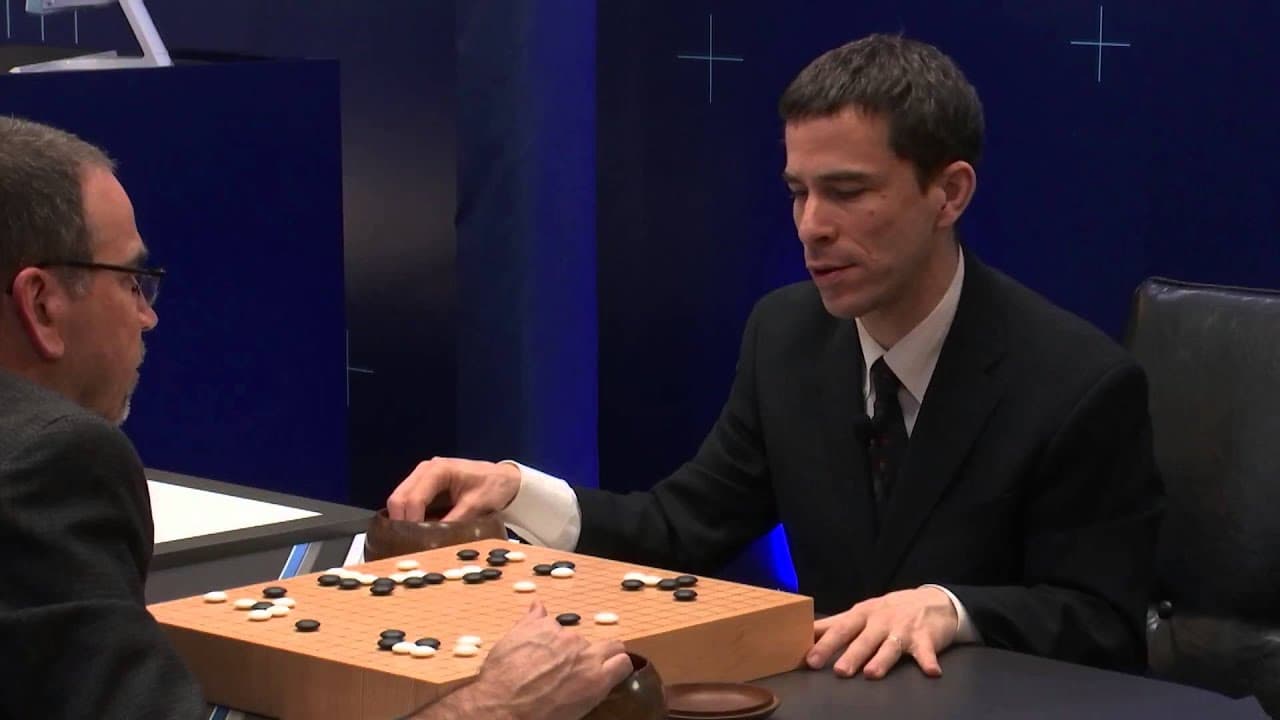
Lee Sedol found AlphaGo’s weakness by preparing a brilliant forcing move that made a crucial cut in Black’s center work. Although AlphaGo appeared to lead after aggressive play built a large central framework, Lee recognized hidden weaknesses, including Black’s shortage of liberties, and coordinated several forcing moves to threaten the capture of key stones.
Transcript
hello and welcome to the game highlights for game four in the Google deepmind challenge today Lee sadol was looking for the weakness in alphago which he had not been able to find in the first three games today he found it Michael show us how yeah well well so we begin with the game absolutely yes start point Alpha go is black yes at this point it's... Read More
Key Insights
- AlphaGo began Game Four as Black and initially followed the same opening it had used in the second game. Lee Sedol deliberately changed his response, partly to avoid repeating the earlier game and to place AlphaGo under more defensive pressure.
- White’s side switch was justified by the presence of a weak Black stone. Rather than directly protecting one stone and allowing Black to expand toward the right, Lee let Black take the corner while seeking to create weaknesses that could later become tactical targets.
- AlphaGo’s central strategy was aggressive and coherent. It pushed against White, closed off central space, connected at a vital point in White’s shape, and used a shoulder hit as an attack intended to surround White’s stones rather than merely secure side territory.
- Lee Sedol rejected a peaceful connection because it would have produced an unhappy White shape. Black would gain thickness, retain corner and side territory, and potentially cut White later, while White would still need another defensive move to address the group’s remaining weakness.
- The ladder favored White and allowed Lee to escape instead of accepting the clumsy connected shape. The resulting sequence became a trade, with Black attacking another White group while Lee preserved tactical potential involving cuts, a hane, and stones whose status remained uncertain.
- Black appeared to hold the lead before the decisive central sequence. AlphaGo had played a strong game and built a large framework, but the position also contained weak points, scattered stones, and a shortage of liberties that made the center tactically unstable.
- Lee Sedol’s decisive move worked by creating an additional forcing move before the central cut. Playing the forcing moves in an obvious order would fail because Black could answer the final one differently, so Lee first inserted a move that changed the tactical sequence.
- The threat to capture two Black stones was strategically decisive because White could execute it without paying much elsewhere. After Black responded to Lee’s brilliant move, White pushed through, Black covered, and White cut, creating the forcing moves required to make the tactic work.
Install to Summarize YouTube Videos and Get Transcripts
Explore YouTube Video Summarizer or Get YouTube Transcript Extractor
Questions & Answers
Q: How did Lee Sedol find AlphaGo’s weakness in Game Four?
Lee Sedol identified tactical weaknesses inside AlphaGo’s large central position, including cutting points and a shortage of liberties among Black’s stones. He coordinated several forcing moves so that a central cut, which initially appeared not to work, became effective. His key move altered the order of the sequence and provided the extra forcing move needed to threaten two Black stones.
Q: Why did Lee Sedol change his opening against AlphaGo?
Lee Sedol changed his opening because AlphaGo began with the same pattern it had used in the second game. Repeating Lee’s earlier response could have allowed the game to follow a familiar course, so he chose a different move. The new approach also threatened Black’s stones and encouraged AlphaGo to defend, giving Lee an opportunity to redirect the opening.
Q: Why was AlphaGo considered ahead before the central tactic?
AlphaGo appeared to lead because it had played aggressively, developed thickness, and created a large framework in the center. White had territory in several places, but its remaining framework was not especially large. Black’s central potential therefore became the most important feature of the game, and White needed to reduce or destroy it to change the balance.
Q: What made Lee Sedol’s central move so brilliant?
Lee Sedol’s move was brilliant because the direct sequence of forcing moves did not make White’s cut work. Black could answer the final forcing move in a way that prevented White from escaping. Lee inserted another move first, changing Black’s available responses and giving White the additional forcing move required to cut and threaten the capture of two stones.
Q: How did AlphaGo attack White’s stones in Game Four?
AlphaGo attacked by pushing strongly, closing off central space, and playing a shoulder hit against White’s structure. The shoulder hit was not simply intended to take side territory. It aimed to cover the top and surround White’s stones, forcing Lee to push through and seek a connection between his groups instead of following Black’s preferred territorial sequence.
Q: Why did Lee Sedol reject the peaceful connection?
Lee Sedol rejected the peaceful line because Black could take a White stone, build thickness, preserve territory, and retain a later cutting move. White would also need another defensive stone, yet its connected group would still have clumsy shape and a weak point. Since the ladder worked for White, Lee chose the more active escape and accepted the resulting trade.
Q: What weaknesses existed in AlphaGo’s central position?
AlphaGo’s center looked large and powerful, but it contained several tactical defects. Black’s stones had a shortage of liberties, cutting points remained available, and weaknesses existed in more than one location. Lee also had potential involving separated stones, a cut, and a hane. These features gave White enough resources to challenge Black’s framework through a forcing sequence.
Q: Why were forcing moves essential to Lee Sedol’s cut?
Forcing moves were essential because White’s cut could succeed only after Black had been compelled to answer at three specific points. Without the complete sequence, Black could move out and capture White’s cutting stones. Lee’s intervening move ensured that White gained the missing forcing exchange, allowing the later cut to threaten the capture of two important Black stones.
Summary & Key Takeaways
-
AlphaGo played Black and repeated the opening used in the second game, but Lee Sedol changed tactics to avoid following the same path. White switched sides around a weak Black stone, allowed Black to take a corner, and tried to create opportunities against Black’s developing framework while managing several weak groups.
-
AlphaGo played aggressively by pushing, closing off the center, and attacking White’s stones with a shoulder hit. Lee avoided a peaceful connection because it would leave White with clumsy shape and give Black thickness and central points. He instead escaped through a favorable ladder, accepting a trade while preserving tactical possibilities.
-
Black appeared to lead after building a large central framework, but its stones contained weaknesses, including a shortage of liberties and several cutting points. Lee prepared a decisive cut through multiple forcing moves. His brilliant intervening move supplied the extra forcing move needed to threaten the capture of two important Black stones.
Read in Other Languages (beta)
Share This Summary 📚
Summarize YouTube Videos and Get Video Transcripts with 1-Click
Try YouTube Summary with ChatGPT & Claude or YouTube Transcript Generator
Explore More Summaries from Google DeepMind 📚




Summarize YouTube Videos and Get Video Transcripts with 1-Click
Try YouTube Summary with ChatGPT & Claude or YouTube Transcript Generator