How to Create Coded Videos with Claude Code
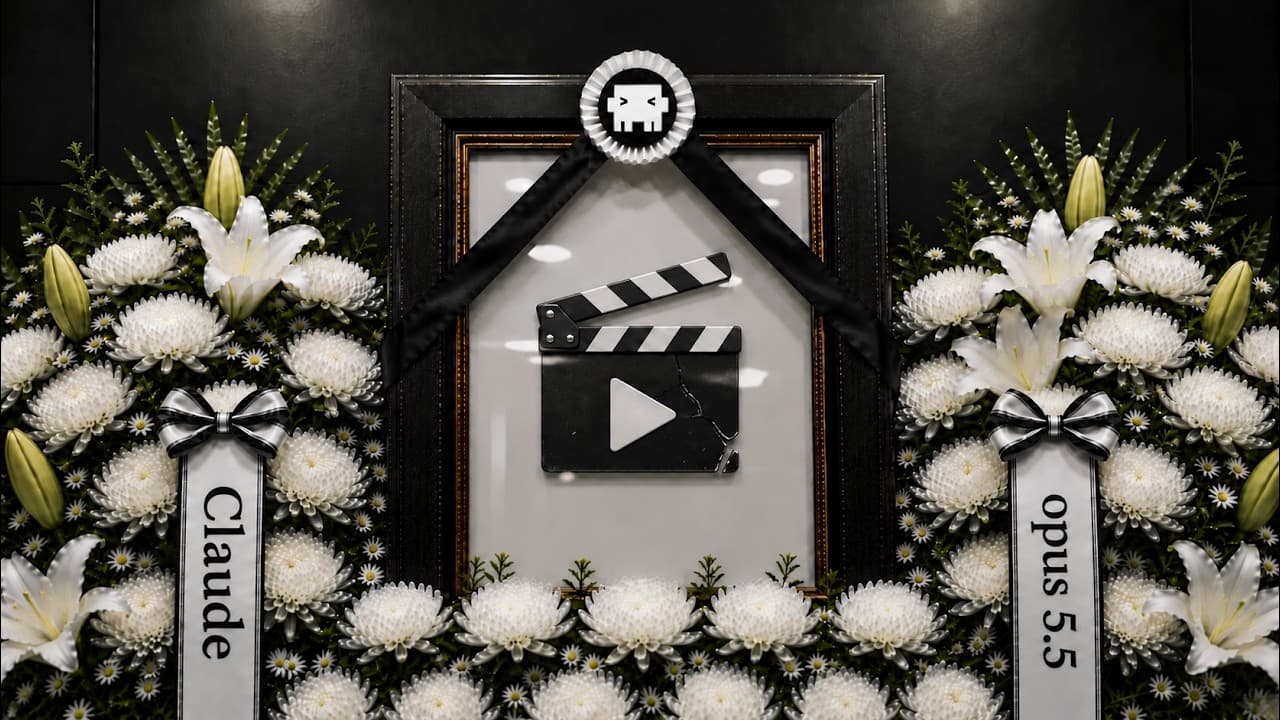
TL;DR
Claude Code can turn a script and audio into coded animations, music videos, and long-form YouTube content, while an MCP connection can supply live-action-style clips that code alone cannot create. The demonstrated workflow assigns varied visual styles scene by scene, preserves the supplied audio, generates subtitles, and supports revisions, but lasting differentiation still depends on originality and a recognizable human presence.
Transcript
Yes, hello. Everyone, I'm incredibly excited today. Of all the information I've shared, today's topic is the most shocking. You can now create videos within Claude Code without consuming any video generation credits. What this means is that Claude handles the coding in the background to create animations and cartoons for you. First, I want you to t... Read More
Key Insights
- Claude Code can create video by writing the underlying animation and editing code, allowing the demonstrated projects to avoid consuming external all-in-one video generation credits for their coded portions. The examples include narrative animation, dancing, a music video, and a long-form YouTube production.
- The initial animation prompt requested a captivating one-minute 2D story with Japanese audio, permission to use as many as 15 agents, and installation of any necessary tools. The resulting short told a continuous story about a drawn character receiving a companion.
- Copyright concerns changed the dance-video output, because the system created original music when asked to produce a Michael Jackson moonwalk sequence. The creator considered the result reasonably successful, showing that the workflow could coordinate character movement and newly generated music without using the requested copyrighted track.
- A music video can be produced by attaching a generated song and asking Claude Code to build matching visuals. The showcased result used expressive animation and mask transitions, including a sun that zoomed into and out of the scene, and reportedly required about 30 minutes to make.
- Coded video supports numerous illustrated approaches, including doodles, crayons, origami, and one-line drawings, but it cannot generate live-action footage through code alone. Multiple styles can be combined within one production to reduce visual repetition and give separate script sections distinct treatments.
- A spreadsheet can serve as the production blueprint by pairing sections of a script with combinations such as live action plus doodles or doodles plus watercolor. Claude can use this scene-level plan, attached narration, and subtitle requirements to assemble a coordinated long-form video.
- Higgsfield MCP can fill the live-action gap by connecting Claude Code to an AI video workflow. In the demonstration, Claude requested intro and outro footage, activated the required connection fields, wrote the generation prompt, used Kling 3.0, and incorporated the resulting material into the broader edit.
- Originality requires more than automated production, because repeated visual styles, nearly identical thumbnails, and very frequent uploads may resemble mass-produced AI content. The creator recommends varying animation approaches and presentation while developing a visible human identity and direct relationship with viewers over the long term.
Install to Summarize YouTube Videos and Get Transcripts
Explore YouTube Video Summarizer or Get YouTube Transcript Extractor
Questions & Answers
Q: How can Claude Code create videos without video credits?
Claude Code can produce animations and edits by writing and running code in the background instead of sending every scene to an all-in-one video generator. In the demonstrated workflow, this method handled narrative animation, dance visuals, music-video sequences, subtitles, titles, and long-form editing. External generation was still used when live-action-style footage was needed, because that material could not be created through coding alone.
Q: How do you prompt Claude Code to make a 2D animation?
The demonstrated prompt asked Claude Code to choose any content, create an exceptionally engaging 2D animation, make it one minute long, tell a continuous story, and include Japanese audio. It also allowed the system to use up to 15 agents and install the tools it needed. The instruction deliberately left creative choices open and asked Claude to produce something surprising that displayed its available capabilities.
Q: What kinds of videos can Claude Code produce?
The examples show Claude Code producing a short story-driven 2D animation, a character dance sequence, a music video synchronized with an attached song, and a ten-minute YouTube-style production. Its coded visual options include approaches such as doodles, crayons, origami, one-line drawings, watercolor combinations, and anime-like imagery. Live-action footage is the major stated exception and requires a connected AI video tool.
Q: How can a script be turned into a long YouTube video?
First, ask Claude to identify possible visual styles and recommend combinations that suit the script. Next, have it place the script and assigned styles into a spreadsheet, section by section. Attach the narration files, provide the completed plan, request consistent subtitles, and instruct Claude to preserve the audio. It can then code the animations, assemble the edit, and revise specific sections after review.
Q: Why should multiple animation styles be combined?
Combining styles helps prevent every scene and every upload from looking like the same mass-produced template. The demonstrated plan assigned different treatments to individual script sections, including live action with doodles and doodles with watercolor. According to the creator, this variety makes the visuals less monotonous, creates a more human-made impression, and reduces the risk that a channel's output appears mechanically repetitive.
Q: How does Higgsfield MCP support Claude Code video production?
Higgsfield MCP provides a route to AI-generated footage when Claude Code determines that coded animation is insufficient. In the example, Claude asked whether live-action material existed for the introduction and ending. After the MCP connection was selected and its fields were linked, Claude wrote the necessary prompt, generated footage with Kling 3.0, and built that material into the remaining coded production.
Q: How long does Claude Code take to make a video?
The creator reports that the showcased music video appeared to take about 30 minutes and that a ten-minute YouTube production was completed in roughly one hour. These are personal observations from the demonstrated projects, not guaranteed production times. The creator also estimates that the 16,000-yen Max plan can produce about one ten-minute video per day, while noting that an exact token count was unavailable.
Q: How can creators avoid mass-produced AI content?
Creators can vary animation styles, change thumbnail designs instead of repeatedly swapping only the text, avoid publishing at an unnaturally high frequency, and make small changes to the editing flow across uploads. The creator also recommends appearing on camera, interacting with viewers, and adding personal creative decisions. The central principle is that consecutive videos should not look identical when viewers compare them.
Summary & Key Takeaways
-
Claude Code created several video formats by writing code rather than consuming credits from an all-in-one video generator. Demonstrations included a one-minute narrative animation with Japanese audio, an original dance sequence, a music video based on an attached Suno track, and a longer YouTube production assembled from a script, narration, subtitles, and visual instructions.
-
For long-form production, the creator asked Claude to identify available animation styles, propose distinctive combinations, and assign them to individual script sections in a spreadsheet. Claude then followed that plan, kept the supplied audio unchanged, maintained subtitle consistency, and used Higgsfield MCP with Kling 3.0 when live-action-style material was required for the introduction and ending.
-
The creator estimates that a ten-minute video took about one hour and that the Max plan may support roughly one such production per day, although no exact token count is provided. The broader recommendation is to vary visuals and thumbnails, avoid excessive posting, and build audience relationships through visible human participation and creative choices.
Read in Other Languages (beta)
Share This Summary 📚
Summarize YouTube Videos and Get Video Transcripts with 1-Click
Try YouTube Summary with ChatGPT & Claude or YouTube Transcript Generator
Explore More Summaries from RKJ VIDEO 【イケている動画を作りたいなら】 📚

Summarize YouTube Videos and Get Video Transcripts with 1-Click
Try YouTube Summary with ChatGPT & Claude or YouTube Transcript Generator