Why Your Ego Is Ruining Your Life - Carl Jung
TL;DR
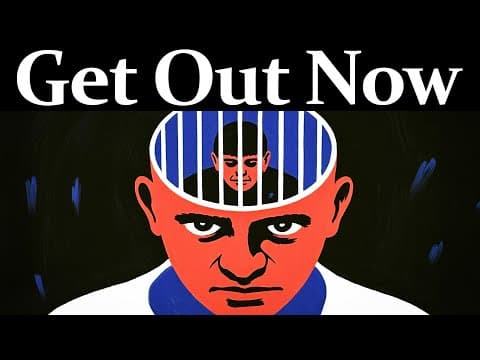
The ego masks true self, causing inner conflict and disconnection.
Transcript
child definitely begins in a state where there is no ego and then about the fourth year or before you know but about that time the the child develops a fist of ego I my child and that is in the first place a certain identity with the body you think you're in control don't you you believe that the decisions you make the thoughts you think the emotio... Read More
Key Insights
- The ego is not inherently bad but is a limited part of the psyche that can create an illusion of control and identity.
- Carl Jung saw the ego as a small part of the psyche, often overestimating its importance and leading to a disconnection from the true self.
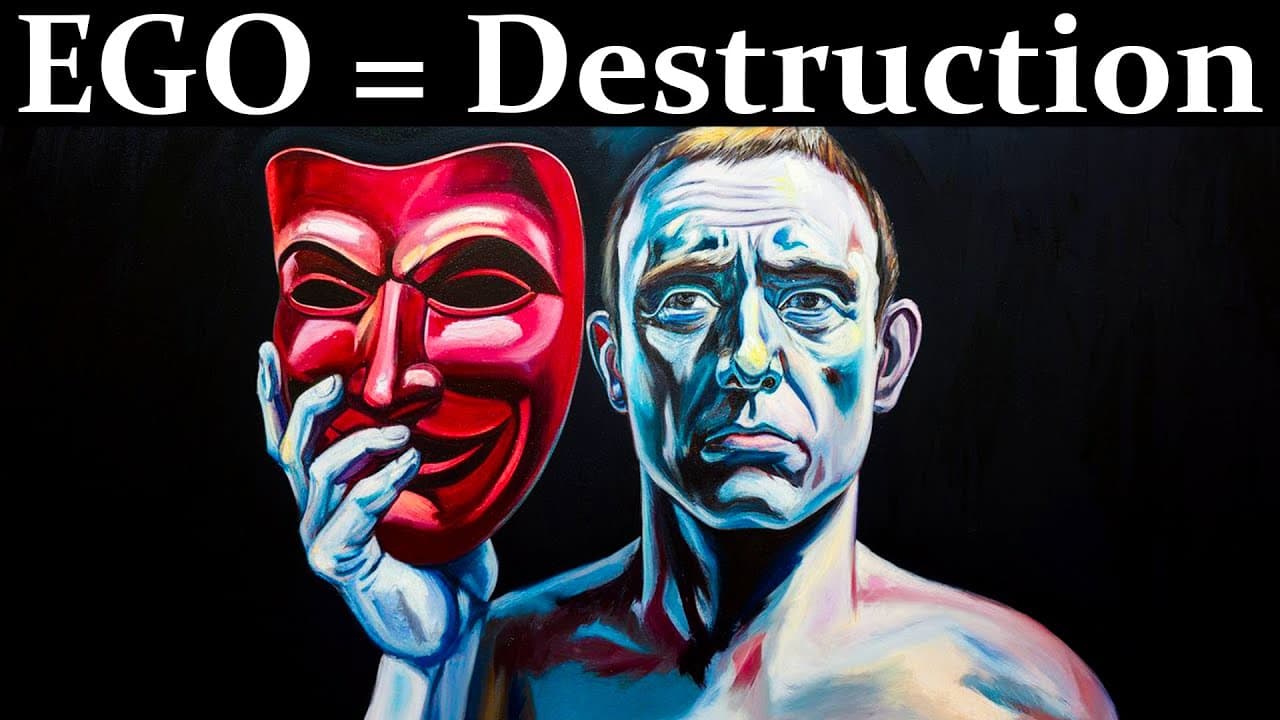
- The persona is a mask created by the ego to gain social acceptance, often leading to an incomplete and artificial self.
- The shadow comprises repressed emotions and traits, which, if ignored, can control behavior unconsciously.
- The ego's need for validation and control leads to anxiety, emotional exhaustion, and superficial relationships.
- Self-sabotage and resistance to change stem from the ego's fear of losing its constructed identity.
- Integration of the ego involves acknowledging repressed aspects of the self, leading to a more authentic and whole identity.
- True self-awareness requires ongoing vigilance and humility, recognizing the ego's attempts to disguise itself in new ways.
Install to Summarize YouTube Videos and Get Transcripts
Explore YouTube Video Summarizer or Get YouTube Transcript Extractor
Questions & Answers
Q: What is the role of the ego according to Carl Jung?
Carl Jung viewed the ego as the center of consciousness, a reference point for identity. However, he believed it was only a small part of the psyche, often overestimating its importance. When the ego dominates, it can create an illusion of control and identity, leading to disconnection from one's true self.
Q: How does the persona affect one's identity?
The persona is a mask created by the ego to gain social acceptance. It involves hiding inconvenient emotions and traits, leading to an incomplete and artificial self. Over-identification with the persona results in anxiety, emotional exhaustion, and a constant feeling of inadequacy as one distances from their true essence.
Q: What is the shadow, and how does it influence behavior?
The shadow comprises repressed emotions and traits that do not fit the ego's idealized image. These repressed aspects, when ignored, can control behavior unconsciously, leading to self-destructive choices and patterns. Recognizing and integrating the shadow is crucial for authentic self-awareness and personal growth.
Q: Why is change difficult according to the video's analysis?
Change is difficult because the ego fears losing its constructed identity. It sustains itself on certainties and resists transformation, as change threatens the identity structure it has built. This resistance manifests as self-sabotage, distractions, and rationalizations, preventing authentic growth and self-discovery.
Q: What is the process of integration as described in the video?
Integration involves acknowledging and embracing repressed emotions and traits, allowing the true self to guide rather than the ego. It requires honest self-questioning, confronting the shadow, and moving beyond the persona. This process fosters a more authentic and whole identity, where the ego serves rather than controls.
Q: How can one recognize the ego's influence in daily life?
The ego's influence manifests in constant seeking of approval, fear of making mistakes, and a need to always be right. It leads to superficial relationships, unresolved resentments, and emotional chaos. Recognizing these patterns is the first step toward understanding the ego's control and beginning the path to integration.
Q: What is the significance of the self in Jung's theory?
The self, in Jung's theory, is the true center of the psyche, representing the totality of being. It is wiser and more authentic than the ego, which is merely a small part of the psyche. The self emerges when one integrates the ego, persona, and shadow, leading to a more authentic and fulfilling life.
Q: How does one maintain ongoing self-awareness according to the video?
Ongoing self-awareness requires vigilance and humility, recognizing the ego's attempts to disguise itself in new ways. It involves continuous self-questioning, observing one's patterns, and embracing both light and dark aspects of the self. This process fosters a deeper connection with the true self, beyond the ego's control.
Summary & Key Takeaways
-
The video explores Carl Jung's theories on the ego, persona, and shadow, emphasizing the ego's role in creating a false identity that leads to inner conflict.
-
The ego constructs a social mask to protect against rejection, but this often results in anxiety and disconnection from the authentic self.
-
Integration involves confronting and accepting repressed emotions and traits, allowing the true self to guide rather than the ego.
Read in Other Languages (beta)
Share This Summary 📚
Summarize YouTube Videos and Get Video Transcripts with 1-Click
Try YouTube Summary with ChatGPT & Claude or YouTube Transcript Generator
Explore More Summaries from Psyphoria 📚


Summarize YouTube Videos and Get Video Transcripts with 1-Click
Try YouTube Summary with ChatGPT & Claude or YouTube Transcript Generator