How to become a functioning adult: 33 essential skills
TL;DR
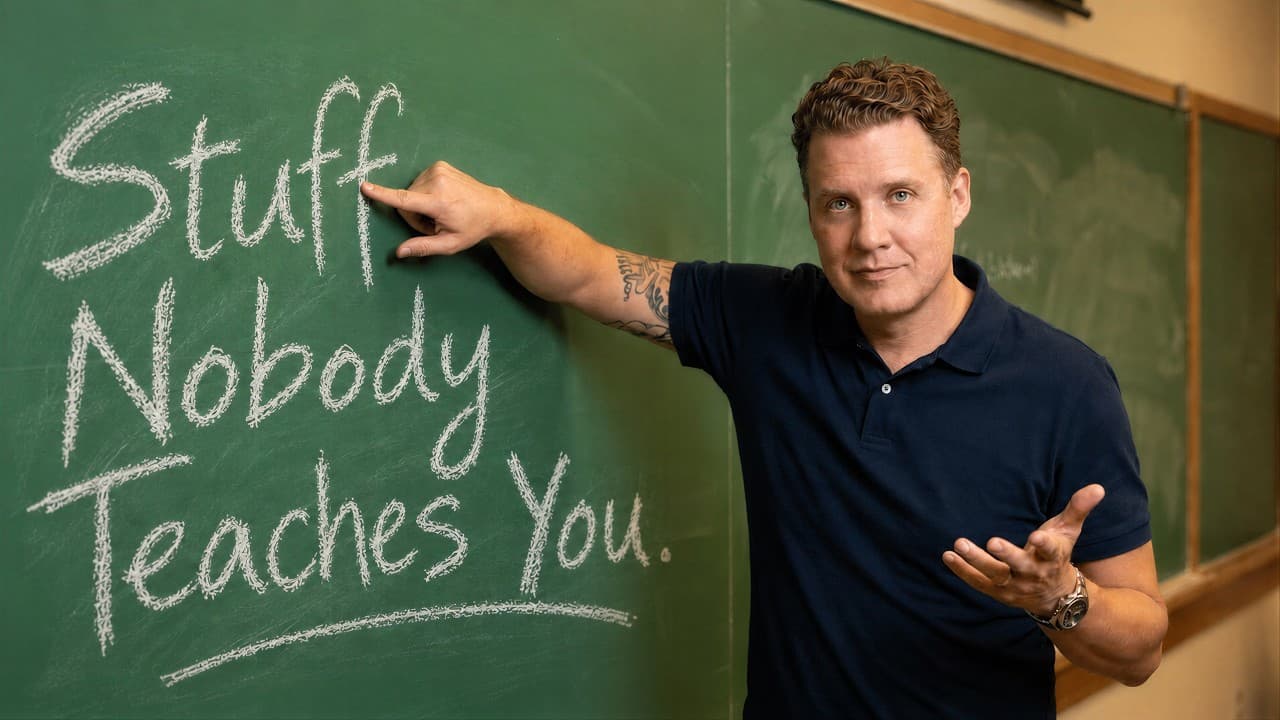
The video outlines 33 practical life skills to master for adulthood, from handling emotions and relationships to everyday tasks like budgeting, cooking, and cleaning up. It emphasizes practice, small steps, and building confidence through repeated, incremental improvements, rather than relying on a manual. These competencies are framed as essential habits for personal growth and independence.
Transcript
Nobody hands you a manual called how to be a functioning adult. You're just supposed to know things. You're supposed to figure out how to like manage your money, your emotions, the people around you through some kind of trial and error process. So, consider this your [ __ ] manual. This is 33 things every adult should know how to do. Beginning with... Read More
Key Insights
- Disliking the honest version of you is acceptable and preferable to performing for others.
- Active listening is crucial; it requires paying attention and empathizing rather than interrupting.
- Talking to strangers builds social confidence and empowers everyday decisions.
- Civil disagreement is normal and should be handled without taking things personally.
- Giving constructive feedback involves naming the problem, explaining its impact, and offering a path forward.
- Everyone starts as bad at something; deliberate practice and feedback improve skills.
- Learning to exercise with no equipment is valuable for health and flexibility.
- Saying no politely prevents living for others and frees up personal time.
- Repairing trust after a fight is essential and requires clear actions and consistent behavior.
- Learning to swim is a safety and fitness skill with broad benefits.
- Public speaking improves idea dissemination and confidence in groups.
- Negotiating prices or contracts is a practical bargaining skill and should be pursued with curiosity.
- Keeping a clean, organized space signals self-respect and supports future planning.
- Reading nutrition labels helps make informed dietary choices and long term health.
- A structured calendar is a key resource for time management and commitments.
- Sending thank you notes remains a meaningful courtesy and relationship practice.
- Motivation often follows action; start with the smallest step to gain momentum.
- Pursuing curiosity without a fixed purpose gradually builds personal direction and meaning.
- Asking for help, including therapy, can substantially improve mental health and relationships.
- Knowing how to fix a toilet is a surprisingly valuable life skill.
- Cooking regularly yields financial, health, and social benefits.
- Repeating ordinary actions daily leads to compound improvements over time.
Install to Summarize YouTube Videos and Get Transcripts
Explore YouTube Video Summarizer or Get YouTube Transcript Extractor
Questions & Answers
Q: What is the core message about becoming an adult according to the video?
The core message is that adulthood is learned through practice, not a built in manual. It highlights 33 practical skills spanning emotions, relationships, and everyday tasks, and encourages embracing imperfect progress. By starting with small, repeatable actions and gradually building competence, you develop independence, confidence, and better decision making over time.
Q: How should you handle being disliked according to the content?
The video advises tolerating being disliked as a normal part of authenticity. It argues it is better to be disliked for who you truly are than to perform for others’ approval. This perspective helps maintain integrity and reduces the emotional labor involved in trying to please everyone all the time.
Q: Why is active listening emphasized, and what does it involve?
Active listening is emphasized because it underpins real connection and understanding. It involves paying attention fully, refraining from interrupting, and trying to empathize with others’ feelings and motivations. This practice improves communication, reduces conflict, and builds trust in both personal and professional relationships.
Q: What role does negotiating play in the 33 skills, and how should it be approached?
Negotiation is presented as a practical, everyday skill essential for fair outcomes. The approach is to stay curious, understand competing incentives, and avoid accepting the first offer. Through back and forth, you can reach a middle ground that reflects value for both sides and strengthens future negotiations.
Q: How does the video suggest building motivation and starting tasks?
The video suggests creating motivation by taking the smallest possible action. Initiating with a minimal, manageable step reduces overwhelm, allows momentum to build, and leads to further progress. This principle helps overcome procrastination and makes large goals feel achievable through incremental gains.
Q: What is said about asking for help and therapy?
The content advocates asking for help when needed and cites therapy as a valuable option. It describes therapy as a tool for managing stress, clarifying relationships, and setting boundaries. Access to treatment is framed as a resource that contributes to personal growth and emotional well being.
Q: Why is daily routine and calendar organization stressed?
Structured time management is stressed because time is a finite resource and plans often change. A well kept calendar helps you meet deadlines, honor commitments, and reserve space for others and yourself. It creates a predictable framework that supports consistent progress across multiple areas of life.
Q: What is the importance of learning practical skills like cooking and basic repairs?
Practical skills like cooking reduce reliance on external food sources, promote healthier eating, and save money, while basic repairs such as fixing a toilet provide independence in emergency situations. These skills increase self sufficiency, resilience, and confidence in managing everyday challenges.
Summary & Key Takeaways
-
The video presents a practical set of 33 skills adults should know, starting with tolerance for being disliked and progressing through listening, talking to strangers, civil disagreement, and constructive feedback. Each item is framed as a learnable habit that improves personal and social functioning over time.
-
It emphasizes practical abilities such as budgeting, negotiating, reading nutrition labels, exercising with minimal equipment, and repairing trust after conflicts, arguing that consistent, small actions compound to create meaningful, lasting change.
-
The final messages encourage seeking help when needed, developing curiosity, and building core routines like calendar management and habit formation, reinforcing that adulthood is learned through steady, imperfect practice rather than a perfected manual.
Read in Other Languages (beta)
Share This Summary 📚
Summarize YouTube Videos and Get Video Transcripts with 1-Click
Try YouTube Summary with ChatGPT & Claude or YouTube Transcript Generator
Explore More Summaries from Mark Manson 📚
Summarize YouTube Videos and Get Video Transcripts with 1-Click
Try YouTube Summary with ChatGPT & Claude or YouTube Transcript Generator