What Are NASA's Latest Developments in Space Exploration?
TL;DR
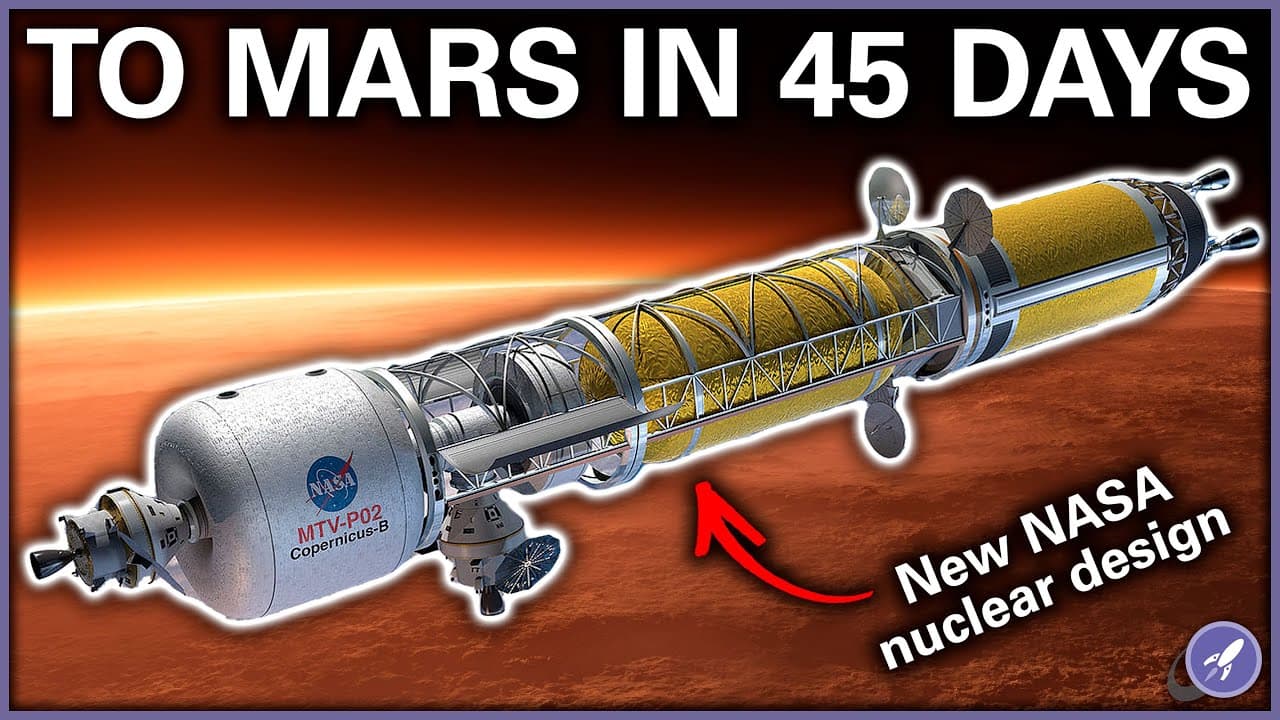
NASA is advancing space exploration with a nuclear-powered octocopter set to explore Titan, which could launch in 2027. They are also working on a new bimodal nuclear rocket that could reduce Mars travel time to just 45 days. Additionally, challenges with the lunar flashlight mission's thrusters and efforts to improve solar flare warnings and carbon dioxide emission tracking are underway.
Transcript
the Titan dragonflies coming together NASA is considering a new kind of nuclear rocket getting more warning for solar flares and pinpointing carbon dioxide emissions from space all this and more in this week's episode of space bites I want to just wrap your mind around this idea in a little over a decade there will be a nuclear-powered helicopter f... Read More
Key Insights
- 👾 Nuclear-powered rotor testing for Titan mission marks significant progress in space exploration.
- 🗺️ Bimodal nuclear rocket propulsion system could revolutionize travel to Mars with reduced flight times.
- 🎟️ Challenges with the lunar flashlight mission's thrusters highlight the complexities of space missions.
- ⚠️ Improved solar flare warnings are crucial for safeguarding against potential catastrophic impacts on Earth.
- 👾 Pinpointing carbon dioxide emissions from space showcases new capabilities in tracking climate-related data.
- ❓ Mapping the Universe with shadows offers innovative approaches to astronomical observations.
- 👾 Patreon support enables independent space news dissemination, promoting educational content accessibility.
Install to Summarize YouTube Videos and Get Transcripts
Explore YouTube Video Summarizer or Get YouTube Transcript Extractor
Questions & Answers
Q: How is NASA testing the nuclear-powered rotor for the Titan mission?
NASA is conducting wind tunnel tests to simulate Titan's atmosphere and ensure the rotor's functionality in challenging conditions, utilizing a radioisotope thermoelectric generator for power.
Q: What are the advantages of the new bimodal nuclear rocket propulsion system for Mars travel?
The bimodal system combines nuclear thermal and electric propulsion, offering high thrust, shorter travel times, and greater mission flexibility to Mars, potentially reducing the journey to just 45 days.
Q: What challenges does the lunar flashlight mission face with thruster issues?
The mission's thrusters are experiencing reduced thrust output, possibly due to blockages, requiring troubleshooting to ensure the spacecraft reaches its intended orbit around the Moon.
Q: How is NASA using machine learning to improve solar flare warnings?
By analyzing data from NASA's solar Dynamic Observatory, scientists have identified precursor microflares on the Sun's surface, offering potential advanced warning to prepare for potentially damaging solar storms.
Summary & Key Takeaways
-
NASA is developing a nuclear-powered octocopter for a mission to Titan.
-
New bimodal nuclear rocket propulsion system could slash Mars travel time.
-
Lunar flashlight mission faces thruster issues, scientists seek solar flare warnings, and map carbon dioxide emissions from space.
Read in Other Languages (beta)
Share This Summary 📚
Summarize YouTube Videos and Get Video Transcripts with 1-Click
Try YouTube Summary with ChatGPT & Claude or YouTube Transcript Generator
Explore More Summaries from Fraser Cain / Universe Today Podcast 📚



Summarize YouTube Videos and Get Video Transcripts with 1-Click
Try YouTube Summary with ChatGPT & Claude or YouTube Transcript Generator