What Did Researchers Discover at the Lunar and Planetary Conference 2014?
TL;DR
The Lunar and Planetary Science Conference 2014 revealed exciting insights, including the dynamics of Saturn's moon Titan and the origins of asteroid families. Researchers discussed the geological activity on Mars, tidal effects on Titan, and innovative outreach approaches blending art and science, emphasizing the importance of public engagement in space exploration.
Transcript
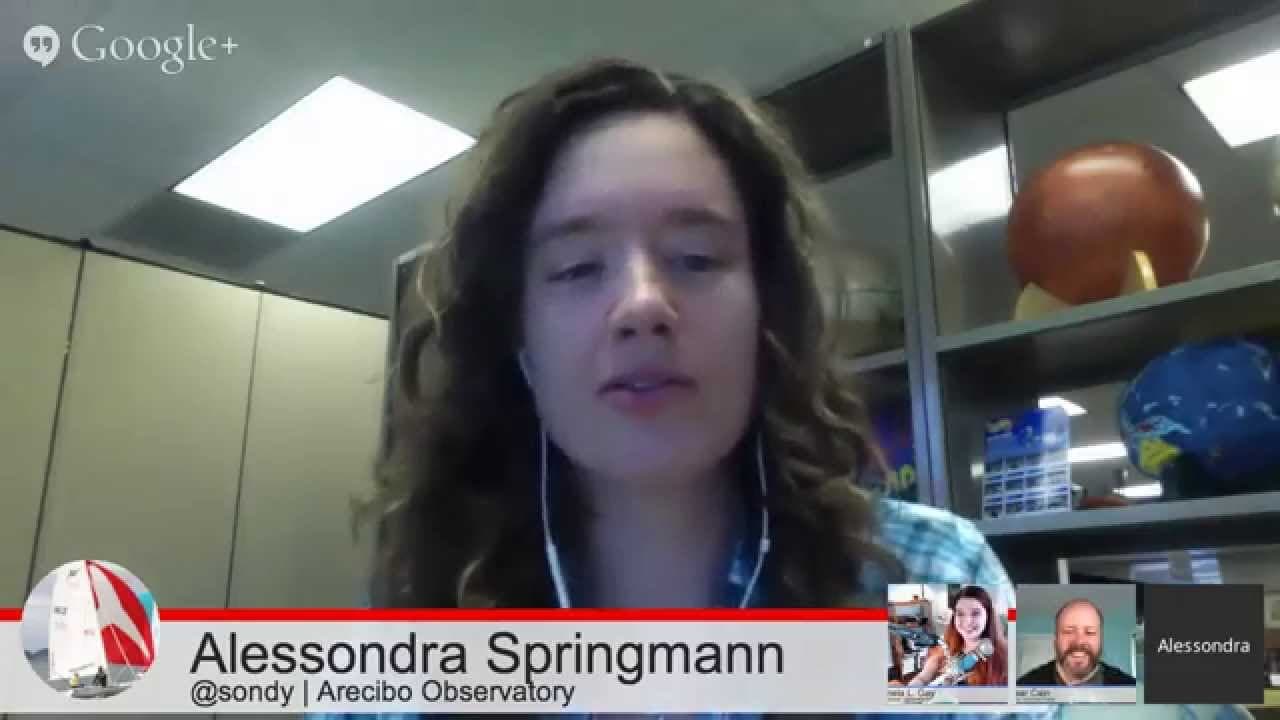
yay you're muted special guests are awesome I know right we should do this more often hey sndi how's it going it's going great how are you Fraser good I I love all the toys in the background there what's going on there so I am reporting live today from the lunar and planetary Institute library in Houston Texas down by Johnson Space Center that is a... Read More
Key Insights
- 🏑 The LPSC conference provides a unique platform for scientific exchange, networking, and sharing discoveries in the field of planetary science.
- 😋 Exploration of planetary features, such as moon ridges and asteroid rings, offers valuable insights into celestial body formation processes.
- 🛰️ Interdisciplinary approaches blending art and science enhance public engagement, fostering a deeper appreciation for space exploration.
- 🤗 Discoveries related to Titan's methane seas and Mars geology open new avenues for understanding planetary dynamics and astronomical phenomena.
- 🔬 The significance of collaborative efforts and innovative outreach strategies underscores the importance of communicating science effectively with diverse audiences.
- 👾 The unpredictable nature of space exploration unveils exciting opportunities for discovery and scientific advancement, motivating researchers and enthusiasts alike.
- 👨🔬 Engaging with experts and industry professionals at conferences like LPSC fosters collaboration, career growth, and the exchange of cutting-edge research.
Install to Summarize YouTube Videos and Get Transcripts
Explore YouTube Video Summarizer or Get YouTube Transcript Extractor
Questions & Answers
Q: What intriguing discoveries were made regarding the formation of ridges on the moon Iapetus?
Observations at LPSC suggested that the late heavy bombardment may have influenced the formation of the equatorial ridge on Iapetus, raising questions about its age and origin.
Q: How is the lunar and planetary science community expanding beyond traditional outreach methods?
Initiatives like combining art and science in public exhibitions and engaging with diverse communities showcase the excitement and relevance of planetary research to broader audiences.
Q: What are the implications of detecting rings around an asteroid using occultations?
The discovery of rings on asteroids enhances our understanding of ring dynamics and composition, potentially shedding light on the prevalence and formation of such structures in the solar system.
Q: How do lunar winds and gravitational forces contribute to wave formation on Titan's methane seas?
Winds on Titan can reach high speeds aloft, while surface winds are relatively calm, suggesting that additional factors beyond gravity might influence wave generation on the moon's hydrocarbon seas.
Summary & Key Takeaways
-
Reporting live from the Lunar and Planetary Institute, the narrator discusses encountering various space artifacts and their engaging interactions with the staff.
-
Special guests join from the institute, sharing insights and experiences from the 45th LPSC conference in Texas.
-
The conversation delves into topics like the origin of planetary ridges, asteroid families, Mars activities, tidal effects on Titan, and an artistic outreach project fostering science appreciation.
Read in Other Languages (beta)
Share This Summary 📚
Summarize YouTube Videos and Get Video Transcripts with 1-Click
Try YouTube Summary with ChatGPT & Claude or YouTube Transcript Generator
Explore More Summaries from Fraser Cain 📚
Summarize YouTube Videos and Get Video Transcripts with 1-Click
Try YouTube Summary with ChatGPT & Claude or YouTube Transcript Generator