How Do Vascular Plants Reproduce?
TL;DR
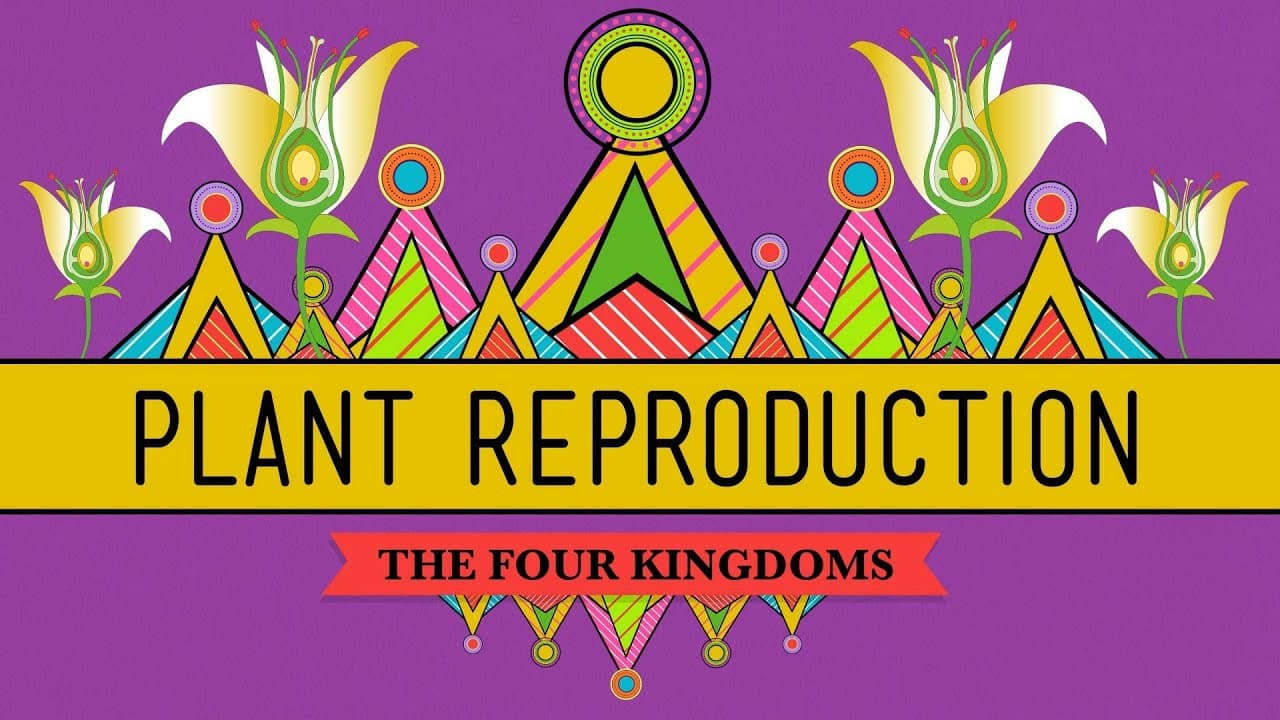
Vascular plants reproduce through a process called alternation of generations, where they cycle between sporophyte and gametophyte stages. Unlike nonvascular plants, vascular plants have evolved complex reproductive strategies involving spores, seeds, and flowers, enabling them to thrive in diverse environments without relying on water for fertilization.
Transcript
A couple of weeks ago, I talked about a strategy for reproduction that the very first plants came up with, called alternation of generations, a strategy that nonvascular plants still use today. Hopefully this is coming back to you. A plant can take two different forms that alternate back and forth between generations. The first form, the sporophyte... Read More
Key Insights
- Alternation of generations is a reproductive strategy used by plants, involving sporophyte and gametophyte stages.
- Sporophytes in vascular plants are dominant and visible, unlike in nonvascular plants where gametophytes are dominant.
- Ferns reproduce using spores, which grow into gametophytes that produce both sperm and eggs.
- Gymnosperms, like conifers, reproduce using seeds and cones, bypassing the need for water in fertilization.
- Angiosperms are the most successful plant group, using flowers and seeds for reproduction, often involving animal pollinators.
- Mutualism in angiosperms involves animals aiding in pollination in exchange for nectar, benefiting both parties.
- Fruits develop from the ovary of flowers and aid in seed dispersal, sometimes by being eaten by animals.
- The evolution from spores to seeds was a significant advancement, allowing plants to reproduce in drier environments.
Install to Summarize YouTube Videos and Get Transcripts
Explore YouTube Video Summarizer or Get YouTube Transcript Extractor
Questions & Answers
Q: How do vascular plants reproduce?
Vascular plants reproduce through a process called alternation of generations, which involves cycling between sporophyte and gametophyte stages. Sporophytes are dominant and visible in these plants, producing spores or seeds that develop into gametophytes. This evolution allows vascular plants to reproduce without relying on water, using complex structures like flowers and cones.
Q: What is the alternation of generations in plants?
The alternation of generations is a reproductive cycle in plants where they switch between two forms: the sporophyte, which has diploid cells, and the gametophyte, which has haploid cells. This cycle allows plants to adapt to different environmental conditions, with vascular plants evolving more complex strategies involving spores, seeds, and flowers.
Q: How do ferns reproduce?
Ferns reproduce using spores, which are produced on the underside of their fronds. These spores germinate in moist environments, developing into gametophytes that contain both male and female reproductive organs. If conditions are right, sperm from the gametophyte fertilizes the egg, creating a new sporophyte, which is the fern plant we recognize.
Q: What distinguishes gymnosperms from other vascular plants?
Gymnosperms are distinguished by their reproduction using seeds and cones instead of flowers. They evolved before flowering plants and do not require water for fertilization. Their seeds, known as 'naked seeds,' develop exposed on cone scales. Gymnosperms include conifers, gingkos, and cycads, with their reproductive structures being adapted to various environmental conditions.
Q: How do angiosperms reproduce?
Angiosperms reproduce using flowers, which contain both male and female gametophytes. Pollination occurs when pollen is transferred to the ovule, often with the help of animal pollinators like insects and birds. After fertilization, the ovule becomes a seed, and the surrounding ovary develops into a fruit, aiding in seed dispersal.
Q: What role do fruits play in plant reproduction?
Fruits play a crucial role in plant reproduction by aiding in seed dispersal. They develop from the ovary of flowers and can be carried away by the wind or eaten by animals. By being consumed, seeds are transported far from the parent plant, reducing competition and allowing plants to colonize new areas.
Q: How did the evolution of seeds benefit vascular plants?
The evolution of seeds allowed vascular plants to reproduce in drier environments, reducing their reliance on water for fertilization. Seeds contain nutrients and protective casings, enabling them to survive harsh conditions and germinate when conditions are favorable. This adaptation led to the diversification and success of seed-bearing plants like gymnosperms and angiosperms.
Q: What is mutualism in the context of angiosperm reproduction?
Mutualism in angiosperm reproduction refers to the symbiotic relationship between plants and pollinators. Flowers attract animals with nectar, colors, and scents, and in return, these animals carry pollen from one flower to another, facilitating fertilization. This mutually beneficial interaction enhances reproductive success for plants and provides food resources for pollinators.
Summary & Key Takeaways
-
Vascular plants have evolved complex reproductive strategies through alternation of generations, involving sporophyte and gametophyte stages. Unlike nonvascular plants, vascular plants such as ferns, gymnosperms, and angiosperms have adapted to reproduce without water, using spores, seeds, and flowers.
-
Ferns reproduce using spores that develop into gametophytes, while gymnosperms use seeds and cones, avoiding the need for water. Angiosperms, the most successful plant group, use flowers and rely on animal pollinators, showcasing mutualism by providing nectar in exchange for pollination services.
-
Fruits play a crucial role in angiosperm reproduction by aiding in seed dispersal. The evolution from spores to seeds marked a significant advancement for vascular plants, allowing them to thrive in diverse environments and reducing their reliance on water for reproduction.
Read in Other Languages (beta)
Share This Summary 📚
Summarize YouTube Videos and Get Video Transcripts with 1-Click
Try YouTube Summary with ChatGPT & Claude or YouTube Transcript Generator
Explore More Summaries from CrashCourse 📚



Summarize YouTube Videos and Get Video Transcripts with 1-Click
Try YouTube Summary with ChatGPT & Claude or YouTube Transcript Generator