Lewis Howes on Self-Love and Healing From Trauma
TL;DR
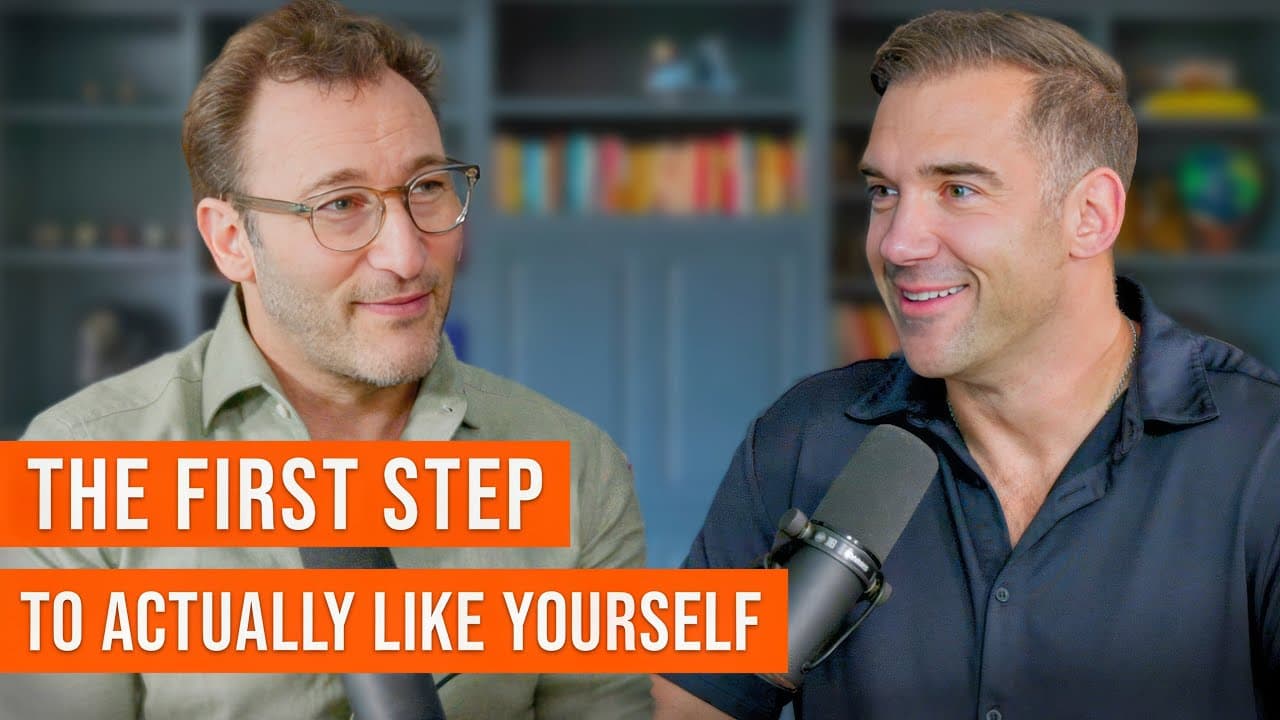
Accomplishment cannot fill an inner void; Lewis Howes chased medals, money, and fame for decades yet still felt worthless until he faced the childhood wound driving him. Real self-love comes from a daily practice of correcting your thoughts, words, and intentions to align with your values and becoming the caring adult your younger self needed.
Transcript
when someone feels guilt or Shame about their financial situation what is the first step to address those negative feelings and start fixing the problem I'm going to say something you're not going to like why do you why because I'm speaking in words and terminology that as long as you don't say find your bliss I'm pretty much going to be all love y... Read More
Key Insights
- External accomplishment does not resolve feelings of unworthiness. Lewis Howes became a pro athlete, a bestselling author, and financially free, yet at 30 he realized all the things he thought would make him happy had not worked.
- Saying yes to everything often comes from a scarcity mindset. Howes said yes to every project and constant travel because he felt he lacked what he needed and had to keep accomplishing to feel worthy, deserving, and safe.
- Learning to say no signals an abundance mindset. Howes now declines opportunities and waits until they feel aligned with his values, because he feels he has enough rather than needing to prove himself through constant activity.
- Unhealed trauma can secretly drive ambition. Howes was sexually abused at age 5 by a stranger, and that wound unconsciously pushed him for 25 years to accomplish, run from the pain, and try to prove his worth to those who hurt him.
- Self-worth is distinct from net worth and social validation. Howes separates his followers, money, and likes from his value as a person, saying his net worth is not his self-worth even though he still enjoys validation.
- Healing is a long, ongoing process, not a quick fix. Howes describes a 12-year journey beginning at 30, combining therapy, interviewing experts on his podcast, and inner work to build emotional and spiritual wholeness.
- Self-love can be practiced as becoming the adult your younger self needed. Howes frames it as being the hero the lost, insecure little boy always wished he had, taking care of that child through his daily choices.
- Curious questions build genuine connection. Howes opens conversations by asking what someone is grateful for and what challenge they face emotionally or mentally, then reads the person's energy rather than only their words to understand where they are.
Install to Summarize YouTube Videos and Get Transcripts
Explore YouTube Video Summarizer or Get YouTube Transcript Extractor
Questions & Answers
Q: How do you overcome a scarcity mindset that makes you say yes to everything?
Lewis Howes says the fix is learning to say no and waiting until opportunities feel aligned with your values. He used to say yes to every project, constant travel, and every chance to accomplish because he needed validation and felt he did not have everything he needed. Moving to an abundance mindset means recognizing you already have enough, so you no longer chase every opportunity to feel worthy, deserving, or safe, and you invest instead in a few key relationships that meet your real needs.
Q: Why does accomplishment not make you feel worthy or happy?
Howes explains that external achievements do not resolve an internal sense of not being enough. He believed that winning medals, solving problems, and making money would finally erase the feeling of worthlessness, but after achieving financial freedom, a successful business, and a relationship, the feeling did not show up as expected. At 30 he had money in the bank yet still felt unhappy, which was a wakeup call that the things he thought would make him happy were not working and he needed to look inward instead.
Q: What was the childhood trauma that drove Lewis Howes to succeed?
Howes shares that he was sexually abused at age 5 by a man he did not know. He says this wound, along with being picked on, picked last on the playground, and having money stolen from him, made him feel he was not enough. That story unconsciously and probably consciously drove him for 25 years to accomplish and prove to others that he was worthy and deserving. He began processing and healing it around age 30, about 12 years before this conversation.
Q: How long does healing from trauma take?
Howes describes healing as a long journey rather than a quick fix, saying he has been on a healing and reflection journey for 12 years, starting when he was about 30. During that time he took extreme action on goals and business while also doing inner and therapeutic work. He began by interviewing people such as therapists on his podcast School of Greatness and did tons of inner work to find how to create emotional and spiritual wholeness within himself. The process is ongoing, not something fully figured out.
Q: What does it actually mean to love yourself?
For Howes, loving yourself is less about a feeling and more about a daily practice. He says he loves the man he is becoming because he tries every day to recorrect his thinking, words, and intentions to align with his values. He describes it as being the hero his younger self always wished he had, acting as the caring adult in the room who looks after the lost, insecure little boy inside him. This creates a sense of wholeness and peace rather than depending on external approval.
Q: Is self-worth the same as how much money or how many followers you have?
Howes clearly separates self-worth from external metrics, stating that the amount of followers or money he has is not correlated to his self-worth, and that his net worth is not his self-worth. He admits he still enjoys validation, such as a stranger kindly paying for his meal, but he no longer creates in order to get validation. He feels peaceful with where he is because he built himself internally rather than depending on others to fill him up or make him feel seen.
Q: How can you connect more deeply with the people in your life?
Howes recommends asking curious, caring questions and then genuinely listening. He opens conversations by asking what someone is grateful for and what is the biggest challenge they are facing emotionally or mentally right now. He pays attention to the energy people express, not just their words, noticing for example a shift into childlike joy. He does this with as many people as he can, including friends, family, colleagues, and business contacts, saying people ultimately want us to listen, which nudges them onto a supportive path.
Q: Why do people fall into a spiral of self-doubt and how do you address it?
Simon Sinek notes that self-doubt shows up as intrusive thoughts like wondering whether people really like you or overanalyzing a text you sent. Howes suggests addressing it by doing real work on yourself and re-understanding your perception of self and the world. Rather than relying on woo self-help, he processes the underlying triggers and traumas that make you say horrible things to yourself. Daily he tries to recorrect his thinking and intentions toward his values, becoming the supportive adult who reassures the doubting younger version of himself.
Summary & Key Takeaways
-
Lewis Howes explains he is learning to say no after years of saying yes to every project, opportunity, and trip. That yes came from a scarcity mindset and a need for validation, feeling he lacked what he needed and had to keep accomplishing to feel worthy, deserving, and secure.
-
Howes reveals that being sexually abused at age 5 created a wound that unconsciously drove him for 25 years to accomplish and prove his worth. He became a pro athlete, bestselling author, and financially free, getting off his sister's couch, yet at 30 still did not feel enough.
-
Now on a 12-year healing journey, Howes says he loves the man he is becoming by daily correcting his thinking, words, and intentions toward his values. He connects with others by asking what they are grateful for and what they struggle with, then genuinely listening to their answers.
Read in Other Languages (beta)
Share This Summary 📚
Summarize YouTube Videos and Get Video Transcripts with 1-Click
Try YouTube Summary with ChatGPT & Claude or YouTube Transcript Generator
Explore More Summaries from Simon Sinek 📚



Summarize YouTube Videos and Get Video Transcripts with 1-Click
Try YouTube Summary with ChatGPT & Claude or YouTube Transcript Generator