How to Learn Python Effectively in 2024?
TL;DR
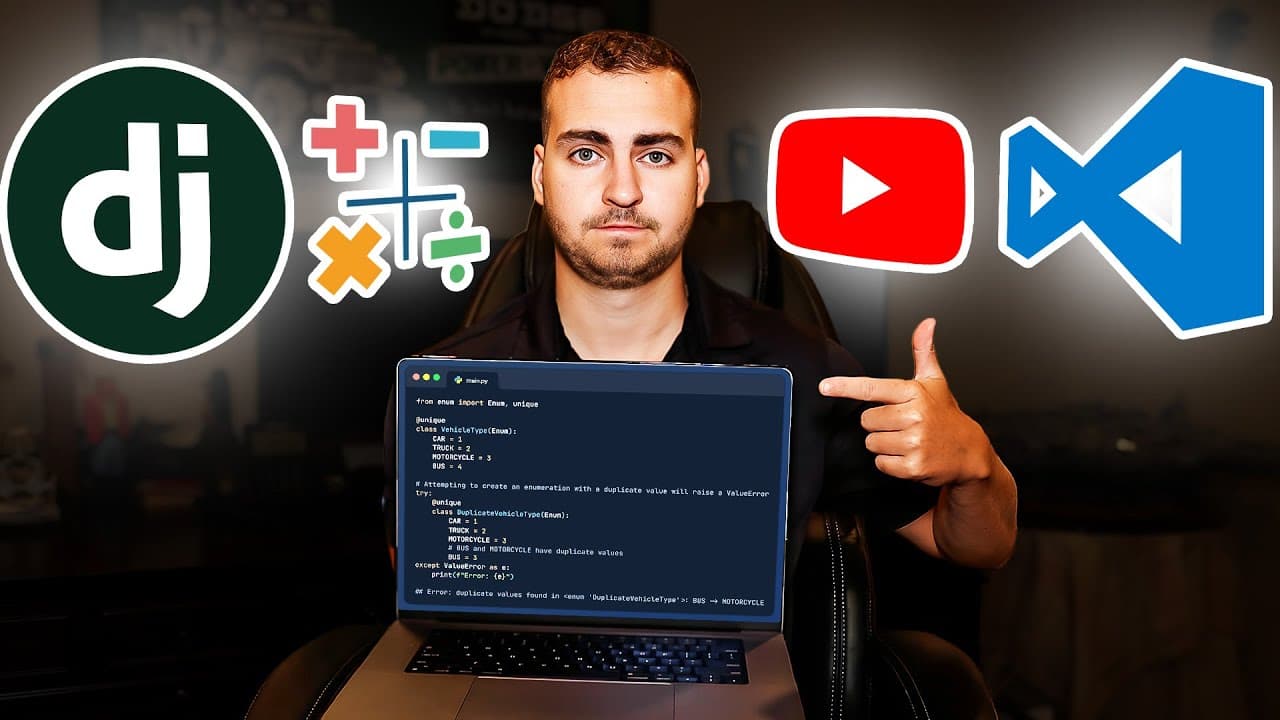
To learn Python effectively in 2024, start by researching the language to set clear goals, then set up your development environment correctly. Focus on mastering basics via video tutorials, practice with AI-generated questions, and apply your skills through personal projects while gradually learning web development frameworks and advanced Python concepts.
Transcript
coding has changed a lot in the past few years and naturally so has how you should learn it if I was learning python again completely from scratch I would do a lot of things differently so let me share those with you in this video now the absolute first thing that I would do before I start learning any of the Python features or syntax is actually a... Read More
Key Insights
- 🥅 Establishing clear goals before starting Python learning enhances motivation and focuses learning efforts.
- 👨💻 Proper setup of the development environment is crucial for a smooth onboarding experience and effective coding practice.
- 🔰 Beginning with video-based learning allows beginners to absorb information comprehensively while engaging actively with coding challenges.
- 🎚️ AI tools can support learners by providing diverse practice questions, adapting to individual skill levels and identifying weak areas.
- 🛟 Small personal projects cultivate confidence and skills in software development, serving as an extension of the basic concepts mastered.
- 🕸️ Understanding web development frameworks like Flask and Django is essential for leveraging Python’s capabilities in building applications.
- 📚 Advanced Python concepts can significantly improve programming efficiency and competence in navigating external frameworks and libraries.
Install to Summarize YouTube Videos and Get Transcripts
Explore YouTube Video Summarizer or Get YouTube Transcript Extractor
Questions & Answers
Q: Why is it important to research Python before learning?
Researching Python helps identify its strengths and applications, enabling learners to set clear goals. By understanding what Python can achieve, learners can avoid frustration and ensure that their learning efforts yield tangible results, ultimately making their journey more meaningful and structured.
Q: What should I focus on after setting up my development environment?
After configuring the environment, the focus should be on mastering the fundamentals of Python programming. Key topics to learn include data types, variables, and control structures like loops and conditionals, as these concepts form the foundation for more advanced programming skills and project development.
Q: How can I effectively learn the basics of Python programming?
Engaging with video tutorials is recommended as they provide structured learning and insights that are difficult to grasp independently. Pausing the videos and actively coding along helps reinforce concepts and accelerates the learning process, allowing for a deeper understanding of Python syntax and features.
Q: Why should I practice with AI-generated programming questions?
Leveraging AI to generate practice questions allows for a tailored approach to learning. It helps simulate real-world coding challenges and facilitate understanding of fundamental concepts. This adaptive learning ensures that learners focus on areas needing improvement, making their practice sessions more productive.
Q: What projects should I pursue after learning the basics?
After grasping the basics, learners are encouraged to undertake small projects that integrate various concepts learned. This could include building simple games or scripts. Project work solidifies theoretical knowledge and helps learners understand how to architect software while boosting their confidence.
Q: What are the key frameworks to learn for web development in Python?
Essential frameworks for Python web development include Flask, Django, and FastAPI. Each provides unique features to facilitate web application development, and beginners should focus on getting hands-on experience through tutorials to understand HTTP methods, requests, and basic web architecture.
Q: How does learning about advanced Python features benefit a programmer?
Understanding advanced features like decorators, generators, and context managers enhances a programmer's comprehension of the Python language. These concepts are often encountered when using various frameworks and libraries, allowing programmers to write more efficient and readable code.
Q: What should I explore after mastering foundational Python concepts?
Once foundational concepts are mastered, learners should delve into specific niches like machine learning, data science, or backend development. This involves familiarizing themselves with essential frameworks and libraries relevant to those areas, enabling them to create advanced applications and refine their skills.
Summary & Key Takeaways
-
Before diving into Python, conduct research to define your goals and ensure that it aligns with your aspirations, allowing for a more focused learning path.
-
Set up your development environment accurately, mastering key concepts such as data types, conditionals, and loops through video tutorials to solidify your understanding of the basics.
-
Progress to practical application by working on projects and deepening your knowledge of advanced concepts like object-oriented programming and web development frameworks.
Read in Other Languages (beta)
Share This Summary 📚
Summarize YouTube Videos and Get Video Transcripts with 1-Click
Try YouTube Summary with ChatGPT & Claude or YouTube Transcript Generator
Explore More Summaries from Tech With Tim 📚

Summarize YouTube Videos and Get Video Transcripts with 1-Click
Try YouTube Summary with ChatGPT & Claude or YouTube Transcript Generator