How to Use Order Blocks in Trading Strategies
TL;DR
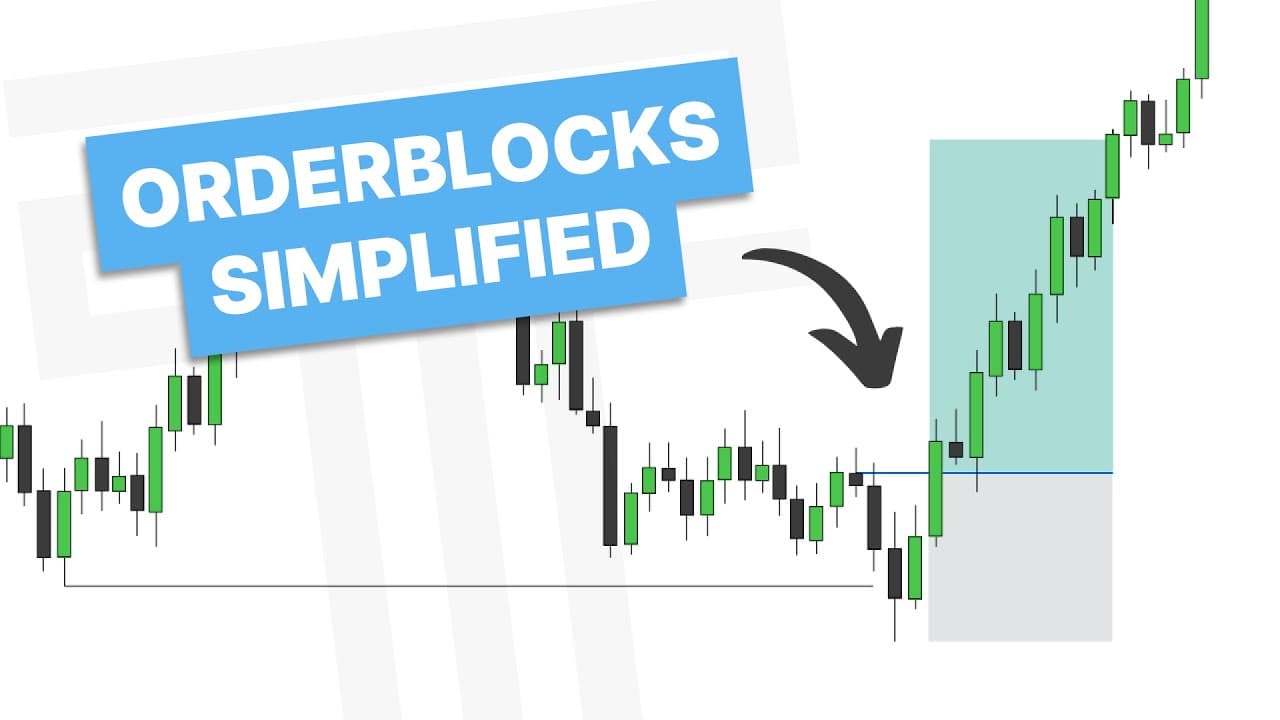
Order blocks are crucial for identifying key price levels in trading. They act as areas of support or resistance, guiding traders on entry and exit points. Understanding the mean threshold and the importance of higher time frame levels enhances the effectiveness of order blocks in both bullish and bearish market conditions.
Transcript
how's it going everyone this video is going to be over order blocks we are first going to cover order blocks at the Smart money reversal before talking about order blocks on the buy side and sell side of the curve I'll also be talking about the main threshold of order blocks what it looks like when price is respecting an order Block versus invalida... Read More
Key Insights
- Order blocks are key price levels that act as support or resistance.
- The mean threshold of an order block is the 50% level, crucial for validation.
- Order blocks require a higher time frame level for validation.
- A sweep of liquidity often precedes the formation of a valid order block.
- Smart money reversal involves order blocks at key market turning points.
- Order blocks on the buy side and sell side differ in their formation.
- Stop losses are ideally placed at swing highs or lows near order blocks.
- The risk-to-reward ratio improves by using the mean threshold for entries.
Install to Summarize YouTube Videos and Get Transcripts
Explore YouTube Video Summarizer or Get YouTube Transcript Extractor
Questions & Answers
Q: How do order blocks function in trading?
Order blocks function as significant price levels where market participants look for potential reversals or continuations. They are identified by a series of candles that close beyond a key level, often after a liquidity sweep. These blocks serve as support or resistance, guiding traders on where to enter or exit trades.
Q: What is the mean threshold in an order block?
The mean threshold in an order block is the 50% level of the block, calculated from the body low to body high. This threshold is crucial for determining the strength and validity of an order block. It acts as a reference point for traders to assess whether price action respects the order block's boundaries.
Q: Why is a higher time frame level important for order blocks?
A higher time frame level is important for order blocks because it provides context and validation. Order blocks formed at these levels are more likely to hold significance, as they align with broader market trends and key price levels. This alignment increases the likelihood of the order block acting as a reliable support or resistance area.
Q: How do liquidity sweeps relate to order blocks?
Liquidity sweeps often precede the formation of an order block. They occur when price action moves to capture liquidity, such as stop-loss orders, before reversing direction. This sweep creates the conditions for an order block to form, as it sets the stage for a displacement and closure beyond a key level, validating the block.
Q: What role do order blocks play in smart money reversals?
In smart money reversals, order blocks play a crucial role by marking the points where institutional traders are likely to enter or exit positions. These blocks form at significant market turning points, indicating a shift in market sentiment. Identifying these blocks helps traders align with the moves of larger market participants.
Q: How are stop losses placed in relation to order blocks?
Stop losses in relation to order blocks are typically placed at swing highs or lows near the block. This placement minimizes the risk of being stopped out by market noise while still protecting the trade from significant adverse movements. Alternatively, stops can be placed at the opposite end of the order block for a tighter risk profile.
Q: What is the significance of the buy side and sell side in order blocks?
The buy side and sell side in order blocks refer to their formation relative to market direction. Buy side order blocks occur in bullish conditions and indicate potential support levels. Conversely, sell side order blocks form in bearish conditions and act as resistance. Recognizing these sides helps traders align their strategies with market trends.
Q: How can the mean threshold improve risk-to-reward ratios?
Using the mean threshold as an entry point can significantly improve risk-to-reward ratios. By entering at the 50% level of the order block, traders can achieve a more favorable entry price, reducing potential risk while maximizing potential reward. This strategic entry point enhances the overall profitability of trading setups involving order blocks.
Summary & Key Takeaways
-
Order blocks serve as pivotal price levels in trading, acting as support or resistance based on market conditions. They are validated by price action at higher time frame levels, often following a sweep of liquidity. Understanding the mean threshold, typically the 50% mark of the block, aids in determining the strength and validity of the order block.
-
Incorporating order blocks into trading strategies involves recognizing their role in smart money reversals and trend continuations. Placing stop losses at strategic points, such as swing highs or lows, can mitigate risk. Traders can enhance their entry points by focusing on the mean threshold, increasing the potential for favorable risk-to-reward ratios.
-
Order blocks are integral to identifying and exploiting market trends. They form after liquidity sweeps and require validation through price displacement and closure beyond key levels. The mean threshold is a critical concept, offering a refined entry point that improves the risk-to-reward ratio, essential for successful trading strategies.
Read in Other Languages (beta)
Share This Summary 📚
Summarize YouTube Videos and Get Video Transcripts with 1-Click
Try YouTube Summary with ChatGPT & Claude or YouTube Transcript Generator
Explore More Summaries from TTrades 📚
Summarize YouTube Videos and Get Video Transcripts with 1-Click
Try YouTube Summary with ChatGPT & Claude or YouTube Transcript Generator