What Is a Coronavirus and How Does It Affect Humans?
TL;DR
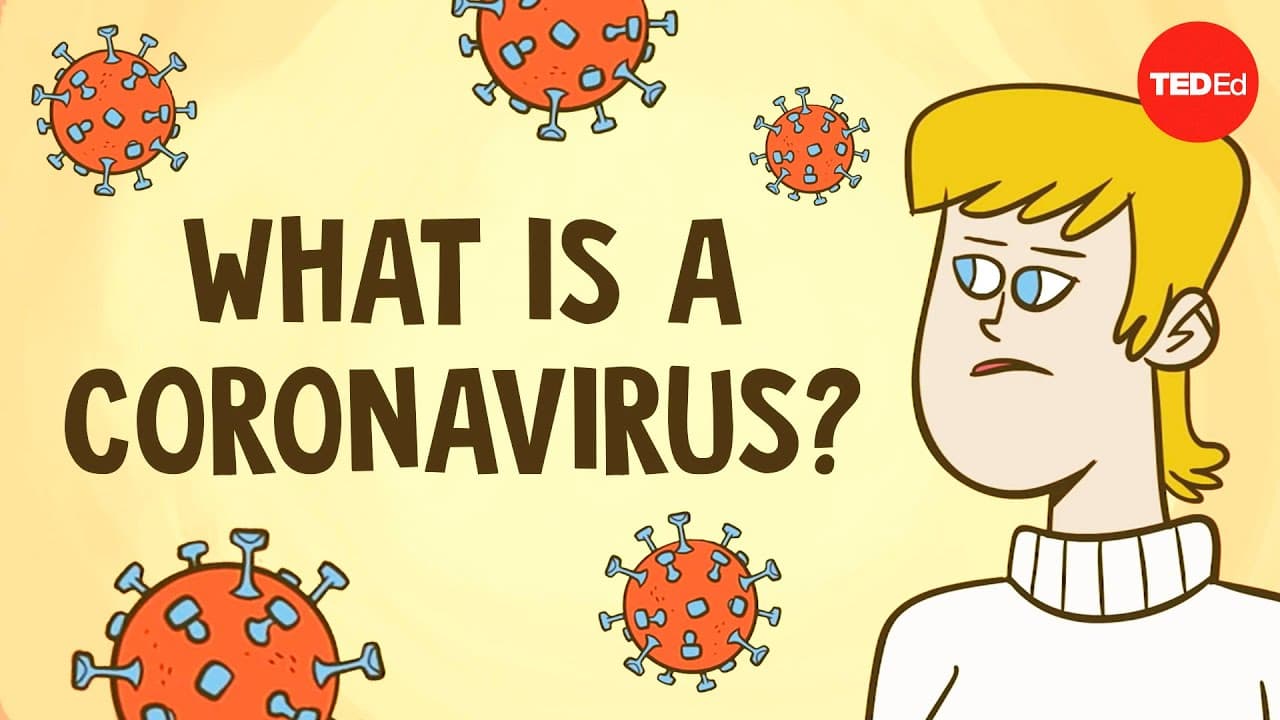
A coronavirus is a virus that can cause diseases in humans, ranging from mild colds to severe respiratory illnesses like SARS, MERS, and COVID-19. These viruses, identified in bats, have a slower mutation rate than other RNA viruses, which may help our immune systems, vaccines, and treatments recognize them more effectively over time.
Transcript
For almost a decade, scientists chased the source of a deadly new virus through China’s tallest mountains and most isolated caverns. They finally found it here: in the bats of Shitou Cave. The virus in question was a coronavirus that caused an epidemic of severe acute respiratory syndrome, or SARS, in 2003. Coronaviruses are a group of viruses ... Read More
Key Insights
- 🧑🔬 Scientists identified the source of a deadly coronavirus in bats, highlighting the importance of wildlife surveillance in preventing future outbreaks.
- 🧑🌾 Coronaviruses have different strains, causing diseases with varying severity, including SARS, MERS, and COVID-19.
- ☠️ The slower mutation rate of coronaviruses compared to other RNA viruses suggests that our immune systems, drugs, and vaccines may have a better chance of recognizing and fighting them.
- 🧑🏭 Environmental factors, such as temperature and UV exposure, impact the transmission and survival of coronaviruses.
Install to Summarize YouTube Videos and Get Transcripts
Explore YouTube Video Summarizer or Get YouTube Transcript Extractor
Questions & Answers
Q: How do coronaviruses spread from person to person?
When an infected person coughs, droplets containing the virus are released, infecting another person when the droplets enter their nose or mouth.
Q: What distinguishes coronaviruses from other RNA viruses?
Coronaviruses are larger and have more genes, which increases the chances of harmful mutations. However, they also have a unique enzyme that corrects replication errors, resulting in a slower mutation rate compared to other RNA viruses.
Q: Can mutations in coronaviruses affect our immune response?
Yes, mutations can make a virus less recognizable to our immune systems, making it harder to fight off. They can also reduce the effectiveness of antiviral drugs and vaccines, as they are tailored to specific strains.
Q: Have treatments or vaccines been developed for coronaviruses?
There are currently no approved treatments or vaccines for any coronaviruses. Previous epidemics, such as SARS and MERS, ended before treatment development completed clinical trials.
Summary & Key Takeaways
-
Scientists discovered a deadly coronavirus in bats in China's Shitou Cave, which caused the SARS epidemic in 2003.
-
Coronaviruses are a group of viruses, with seven strains infecting humans, causing diseases ranging from mild colds to severe respiratory illnesses.
-
Seasonal variations and environmental factors impact the transmission and survival of coronaviruses.
Read in Other Languages (beta)
Share This Summary 📚
Summarize YouTube Videos and Get Video Transcripts with 1-Click
Try YouTube Summary with ChatGPT & Claude or YouTube Transcript Generator
Explore More Summaries from TED-Ed 📚




Summarize YouTube Videos and Get Video Transcripts with 1-Click
Try YouTube Summary with ChatGPT & Claude or YouTube Transcript Generator