Why Can't Farmers Replant Their Own Seeds?
TL;DR
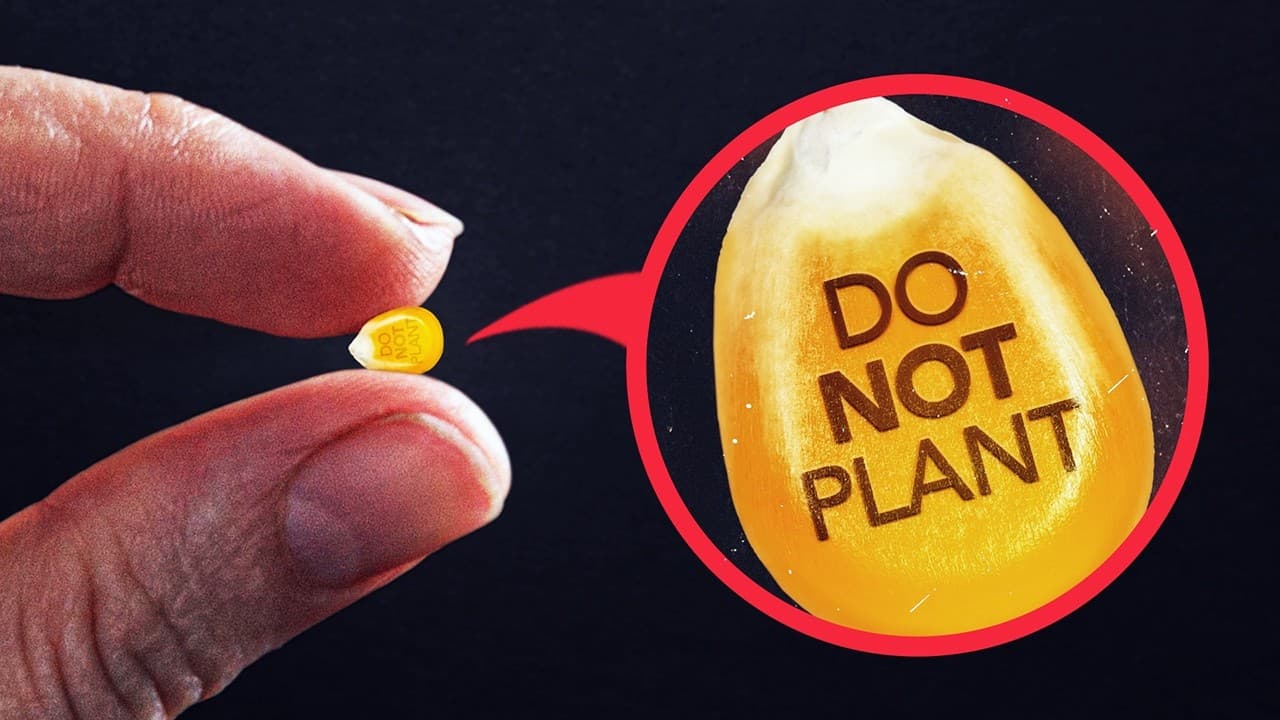
Farmers are legally restricted from replanting seeds due to Monsanto's control over seed patents and their aggressive enforcement of these rights. Monsanto's contracts prohibit farmers from saving or replanting seeds, leading to lawsuits and financial ruin for those who violate these terms. This has created a monopoly and a culture of fear among farmers.
Transcript
One October evening in 2016, an Arkansas farmer was sitting in his pickup truck just outside his field, and he was growing impatient. Suddenly, another car pulled up beside him, so the farmer got out. Seconds later, he was murdered. The farmer's name was Mike Wallace. He wasn't killed over money or land. He was killed over a herbicide, a chemica... Read More
Key Insights
- Monsanto controls over 80% of seeds planted in the US, creating a monopoly.
- Farmers must sign contracts preventing them from replanting Monsanto seeds.
- Monsanto aggressively enforces seed patents, often suing farmers for violations.
- Roundup Ready seeds allow farmers to use glyphosate without harming crops.
- Glyphosate, the active ingredient in Roundup, is controversial for potential health risks.
- Monsanto allegedly manipulated scientific research to downplay glyphosate risks.
- The IARC classified glyphosate as a probable human carcinogen, sparking lawsuits.
- Bayer acquired Monsanto, inheriting legal challenges and public backlash.
Install to Summarize YouTube Videos and Get Transcripts
Explore YouTube Video Summarizer or Get YouTube Transcript Extractor
Questions & Answers
Q: Why can't farmers replant Monsanto seeds?
Farmers are prohibited from replanting Monsanto seeds due to strict contractual agreements that they must sign when purchasing the seeds. These contracts explicitly forbid saving or replanting seeds, ensuring that farmers must buy new seeds each season. This practice helps Monsanto maintain control over the seed market and protect their patented technology.
Q: What is glyphosate and why is it controversial?
Glyphosate is the active ingredient in Monsanto's Roundup herbicide. It is controversial due to its classification by the International Agency for Research on Cancer (IARC) as a probable human carcinogen, suggesting potential links to cancer. Despite this, other health organizations, like the EPA, claim it poses no significant risk, leading to ongoing debates and legal battles.
Q: How did Monsanto enforce their seed patents?
Monsanto enforced their seed patents through aggressive legal actions and surveillance. They hired private investigators and used aerial surveillance to monitor farms for patent violations. Farmers suspected of replanting seeds were often sued, leading to financial ruin for many. This enforcement strategy created a culture of fear and compliance within farming communities.
Q: What is the significance of Roundup Ready seeds?
Roundup Ready seeds are genetically modified to resist glyphosate, allowing farmers to use the herbicide without harming their crops. This innovation revolutionized agriculture by simplifying weed management and reducing labor. However, it also tied farmers to Monsanto's products, as only their seeds could withstand the herbicide, reinforcing Monsanto's market dominance.
Q: What health risks are associated with glyphosate?
Health risks associated with glyphosate include potential DNA damage and disruption of gut microbiomes, which could lead to cancer, particularly non-Hodgkin's lymphoma. The IARC classified it as a probable carcinogen, though other agencies dispute this. High exposure levels are linked to increased cancer risk, sparking significant legal and public health concerns.
Q: How did Monsanto allegedly manipulate scientific research?
Monsanto allegedly manipulated scientific research by ghostwriting studies and influencing scientists to downplay the risks of glyphosate. Internal documents revealed that they edited and funded research to support their claims of safety, while publicly denying any health risks. This manipulation aimed to protect their market interests and counter negative findings.
Q: What was the outcome of the Monsanto lawsuits?
The lawsuits against Monsanto resulted in significant financial settlements, with Bayer, who acquired Monsanto, paying over $10 billion to settle claims related to glyphosate's cancer risk. The legal battles exposed Monsanto's internal practices and contributed to a public backlash against the company, affecting its reputation and financial standing.
Q: Why did Bayer acquire Monsanto despite legal challenges?
Bayer acquired Monsanto to expand its agricultural business, despite the looming legal challenges related to glyphosate. The acquisition was seen as a strategic move to dominate the agrochemical market. However, it was criticized by investors and led to financial losses for Bayer, as they inherited the legal and public relations issues associated with Monsanto.
Summary & Key Takeaways
-
Monsanto's dominance in the seed industry is maintained through strict contracts that prevent farmers from replanting seeds, ensuring they must purchase new seeds each year. This control is enforced through lawsuits and aggressive surveillance, creating a monopoly that stifles competition and innovation.
-
The development of Roundup Ready seeds revolutionized farming by allowing the use of glyphosate without damaging crops. However, the health risks associated with glyphosate, including its classification as a probable carcinogen, have led to significant legal and public relations challenges for Monsanto.
-
Monsanto's influence extends to scientific research and regulatory bodies, with allegations of manipulating studies and colluding with officials to protect their interests. Despite these efforts, public awareness and legal actions have exposed the company's practices, leading to substantial financial settlements.
Read in Other Languages (beta)
Share This Summary 📚
Summarize YouTube Videos and Get Video Transcripts with 1-Click
Try YouTube Summary with ChatGPT & Claude or YouTube Transcript Generator
Explore More Summaries from Veritasium 📚

Summarize YouTube Videos and Get Video Transcripts with 1-Click
Try YouTube Summary with ChatGPT & Claude or YouTube Transcript Generator