How Can Music Create Meaningful Social Change?
TL;DR
Music can create social impact by expressing protest, building solidarity, preserving cultural memory, encouraging empathy, and gathering people around shared causes. Musicians can contribute through protest songs, symbolic public appearances, collective singing, benefit concerts, consciousness raising, inward reflection, and participatory programs, with the appropriate approach depending on the artist, community, and situation.
Transcript
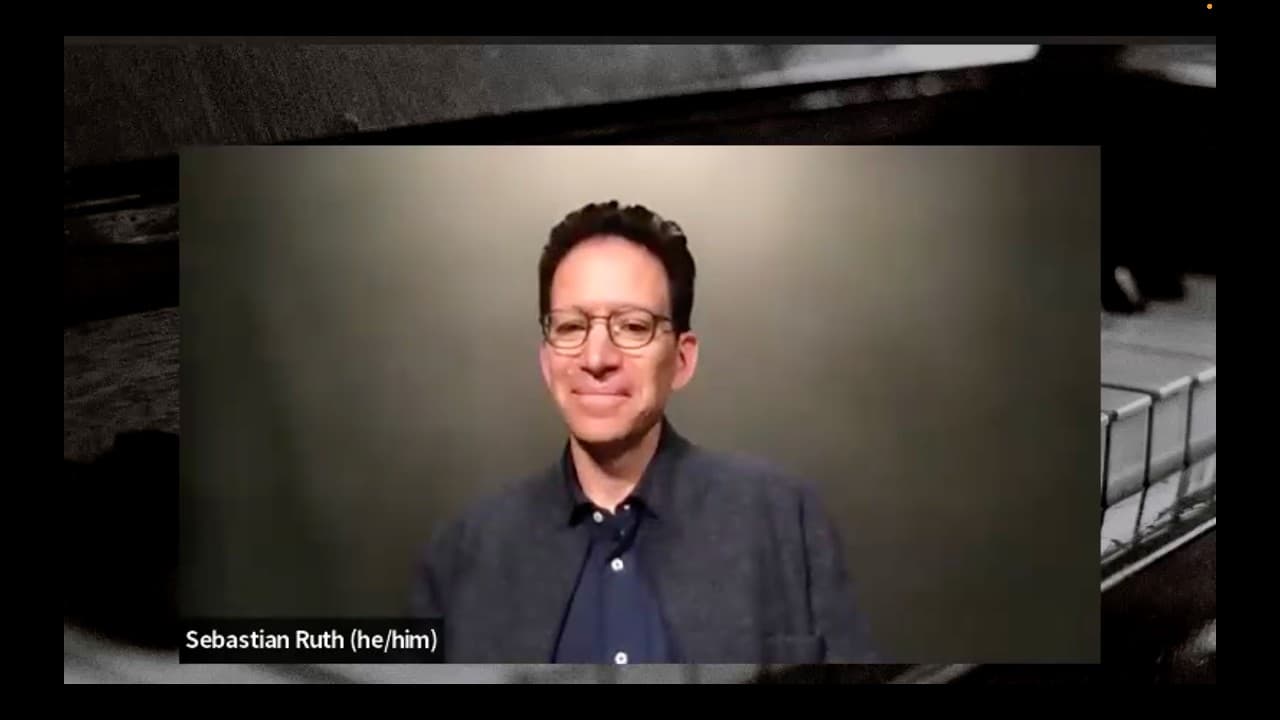
I, um, uh, am looking forward to be spending some time with you all today, touching into the topic of music and social action. I'm Sebastian Ruth. I'm a musician, educator, and organizer. Twenty-nine years ago, I started, and I've continued to run, an organization in Providence, Rhode Island, called Community Music Works, which connects an ensemble... Read More
Key Insights
- Art is a strange tool whose lack of strictly functional value can help people understand dimensions of life beyond necessary activities such as obtaining food, caring for illness, or making work easier, according to the framework Sebastian Ruth draws from philosopher and cognitive scientist Alva Noë.
- John Dewey's theory of art restores continuity between everyday human experience and artistic life. Rather than treating art as isolated objects in museums or performances in prestigious halls, this view understands artistic expression as a human response to social and environmental surroundings.
- Artistic experiences are records of emotional and social life. Dewey argues that art can communicate the joys and pains of societies separated from us by time or distance, sometimes providing a richer understanding than factual histories or reports alone can offer.
- The arts are important to democratic life because they can reveal experiences beyond one's own. Maxine Greene argues that music, dance, poetry, and painting can help audiences encounter voices marginalized through exclusions such as sexism and racism, expanding both empathy and imagination.
- Protest music distills social conditions, artistic skill, and an impulse to communicate into meaningful expression. Nina Simone's move from love songs toward civil rights protest songs demonstrates how an artist can respond directly to injustice and reflect the historical moment in which she lives.
- Protest songs can provide catharsis and solidarity by giving form to collective outrage, bewilderment, and pain. Ruth presents Bruce Springsteen's January 2026 song about violence connected to ICE activity in Minneapolis as an example of rapidly transforming a public crisis into musical expression.
- Collective singing creates community and agency during frightening or dehumanizing circumstances. Resistance choirs learn songs for protests, bring participants together around a shared purpose, humanize tense situations, and amplify a message by joining many individual voices into coordinated public expression.
- Music is a bearer of cultural memory because it can create a sympathetic emotional connection with earlier events and social dynamics. Listening carefully to protest music by artists from the 1960s can offer a vivid felt understanding that differs from reading historical reports or essays.
Install to Summarize YouTube Videos and Get Transcripts
Explore YouTube Video Summarizer or Get YouTube Transcript Extractor
Questions & Answers
Q: How can musicians use music to create social change?
Musicians can pursue social change through several forms of action, including protest songs, symbolic appearances, collective singing, benefit concerts, consciousness raising, inward centering, and shared participation. These approaches can express public emotions, strengthen communities, amplify political messages, invite reflection, or support a cause. Ruth emphasizes that no single formula suits every musician, community, or social situation.
Q: What does John Dewey's philosophy say about art and everyday life?
John Dewey argues that continuity should be restored between ordinary human experience and the arts. Art should not be understood only as protected objects in climate-controlled rooms or performances confined to distinguished concert halls and theaters. People create art in response to their environments, so artistic works remain connected to everyday life, social conditions, emotions, and shared human experience.
Q: Why can art communicate history differently from factual reports?
Art can convey the emotional and social landscapes experienced by people in another society, place, or period. Dewey's account suggests that music and other arts communicate joys, pains, and human responses that factual histories may not fully capture. Careful engagement with older artistic works can therefore produce a vivid, felt understanding of circumstances separated from audiences by time or distance.
Q: How does Maxine Greene connect the arts with democracy?
Maxine Greene presents the arts as important to the democratic experiment because they help people encounter lives and perspectives different from their own. Paintings, poems, dances, and music may reveal experiences excluded or marginalized through sexism and racism. By exercising empathy and imagination, audiences can avoid remaining confined to what they already are and become more responsive to other people.
Q: Why did Nina Simone begin writing protest songs?
Nina Simone had pursued classical piano but was denied entry to the Curtis Institute of Music because she was Black. After building a successful career as a pianist, singer, songwriter, and touring artist, she responded to the growing civil rights movement by directing her musical work toward its cause. Her song "Mississippi Goddam" marked a decisive turn from love songs toward protest songs.
Q: How do protest songs turn social experience into artistic expression?
Protest songs combine the artist's surrounding social influences, developed musical skill, and impulse to communicate. Drawing on Dewey, Ruth compares this process to a funnel in which varied experiences enter and become distilled into meaning. The resulting music can give voice to collective outrage, bewilderment, or pain while offering listeners catharsis and a felt sense of solidarity.
Q: What social role can resistance choirs play at protests?
Resistance choirs can humanize protests that might otherwise be dominated by fear and dehumanizing policies. Learning and singing together draws participants into a community, offers a shared sense of agency during despair, and amplifies a public message through many joined voices. The musical activity therefore matters both for what it communicates outwardly and for the relationships it creates among participants.
Q: How can music preserve cultural memory across generations?
Music can act as a cultural memory bearer by connecting listeners emotionally with the causes, experiences, and social dynamics of earlier periods. Ruth argues that hearing protest songs associated with the 1960s provides more than a history lesson. Attentive listening can produce a sympathetic, felt connection to the period that differs from information gained through news reports, historical accounts, or essays.
Summary & Key Takeaways
-
Sebastian Ruth draws on his experience as a musician, educator, organizer, and Yale professor to examine how artistic work can serve the public good. His Community Music Works organization connects professional musicians with a Providence neighborhood through free education and performance programs created in collaboration with young people and families.
-
The philosophical framework begins with Alva Noë's description of art as a strange tool and John Dewey's effort to reconnect art with everyday experience. Maxine Greene extends this thinking by arguing that paintings, poems, dances, and music can reveal marginalized lives, strengthen empathy, stimulate imagination, and support democratic life.
-
Musical social action can include protest, symbolic action, inward centering, benefit concerts, consciousness raising, and shared participation. Examples involving Nina Simone, Bruce Springsteen, resistance choirs, historic protest music, and Marian Anderson show how musicians can reflect their times, voice collective emotions, preserve cultural memory, and humanize public struggles.
Read in Other Languages (beta)
Share This Summary 📚
Summarize YouTube Videos and Get Video Transcripts with 1-Click
Try YouTube Summary with ChatGPT & Claude or YouTube Transcript Generator
Explore More Summaries from YaleCourses 📚



Summarize YouTube Videos and Get Video Transcripts with 1-Click
Try YouTube Summary with ChatGPT & Claude or YouTube Transcript Generator