What Causes Anxiety Disorders in the Bio Psycho Social Model
TL;DR
Biology, psychology, and social factors all contribute to anxiety disorders. Genes raise risk modestly, brain circuits such as the amygdala influence fear responses, and learned thoughts and social learning can sustain or reduce anxiety. Cognitive behavioral therapy can physically change brain activity and lessen symptoms.
Transcript
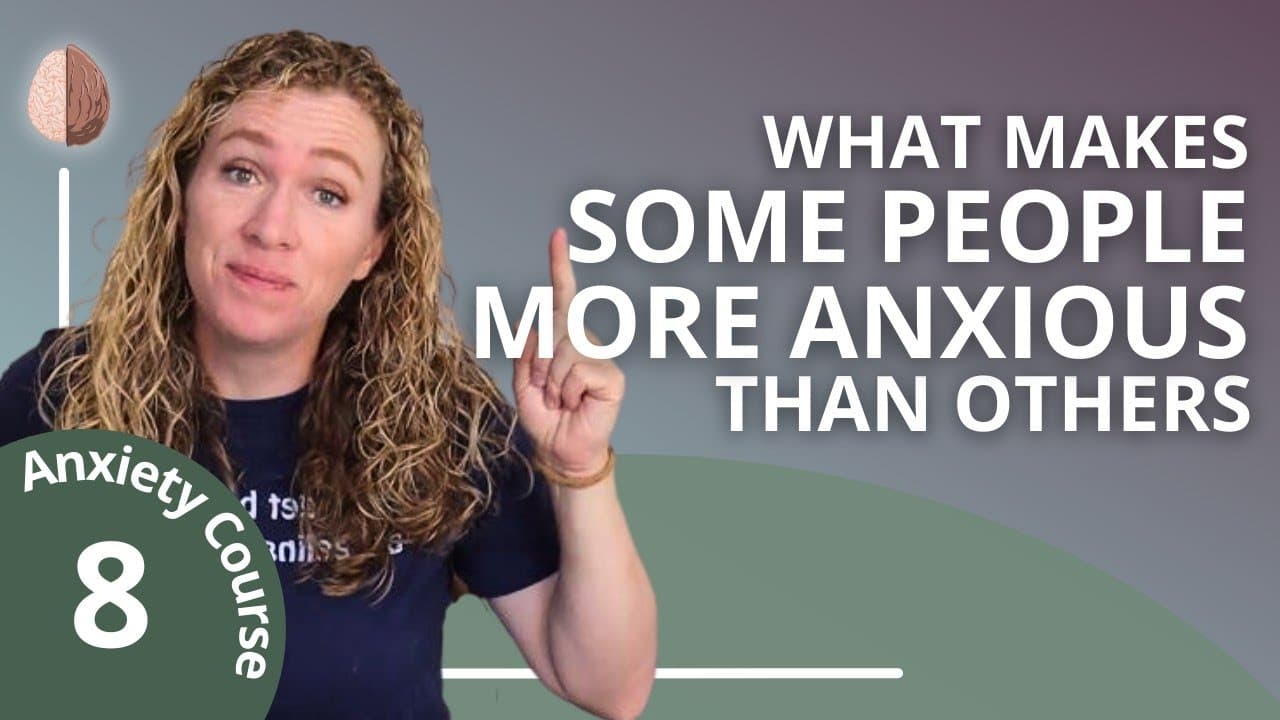
why are some people much more anxious than others and what causes anxiety disorders what makes some people feel anxious when they're actually safe well the cause of an anxiety disorder is actually quite complicated it's not a disease with a single origin there are a lot of factors that go into play so in this video we're going to talk about how... Read More
Key Insights
- Biology contributes to anxiety through heritability, where genes raise risk but no single gene causes all cases. Life experiences can turn these genetic predispositions on or off, making biology a starting point rather than a sole determinant.
- The amygdala, a brain area linked to fear, often shows increased activity or altered connectivity in anxiety, acting as a neural alarm system that can heighten anxious responses.
- Brain structure and chemistry, including gray matter to white matter ratios and hormonal or metabolic factors, influence resilience and susceptibility to anxiety while being modifiable to some extent by experience.
- Neuroplasticity allows thinking patterns to physically change the brain; towards calmer thinking, amygdala activity can decrease, illustrating the brain’s capacity to rewire itself through therapy and learning.
- Psychological factors shape anxiety through learned associations and interpretations; perceptions of danger can trigger real physiological responses even when there is no actual threat.
- Cognitive patterns like catastrophizing or avoidance maintain anxiety by creating a continuous sense of danger, which can be addressed by adopting more flexible, tolerant, and action-oriented thinking.
- Social learning and family dynamics influence anxiety: observing others handle fear can reduce anxiety, whereas witnessing fear-based reactions can heighten it.
- Trauma and past experiences interact with current thoughts and behaviors to determine present anxiety, but management depends on present-m moment choices, coping strategies, and the support available.
Install to Summarize YouTube Videos and Get Transcripts
Explore YouTube Video Summarizer or Get YouTube Transcript Extractor
Questions & Answers
Q: What is the bio psycho social model of anxiety and why is it important
The bio psycho social model of anxiety explains that anxiety disorders arise from the combined influence of biological factors such as genetics and brain function, psychological processes like cognitions and coping styles, and social factors including family experiences and cultural context. This model is important because it moves beyond a single cause, highlighting how multiple interacting systems shape risk, expression, and treatment. It helps identify intervention points across biology, thoughts, and environment, enabling more comprehensive and personalized approaches that target not just symptoms but underlying mechanisms and supports.
Q: How do genetics and life experiences interact to affect anxiety risk
Genetics contribute to anxiety risk by providing a predisposition, with estimates suggesting a substantial but not exclusive role. Life experiences can turn genetic risk on or off by shaping brain development, stress responses, and coping strategies. For example, traumatic or stressful childhood experiences can intensify biological vulnerabilities, while supportive environments and adaptive coping can mitigate risk. This interaction means that even those with a higher genetic predisposition can reduce their anxiety through experiences and effective psychological strategies.
Q: What role does the amygdala play in anxiety disorders
The amygdala is a brain region that detects potential threat and triggers fear responses; in anxiety disorders its activity is often heightened or misregulated. This heightened sensitivity can lead to exaggerated vigilance and quicker escalation of anxious states. Treatments that reduce amygdala reactivity, such as certain cognitive behavioral therapies, can help restore a more balanced fear response, lowering overall anxiety and improving functioning in daily life.
Q: How does neuroplasticity affect anxiety and its treatment
Neuroplasticity refers to the brain’s ability to reorganize itself in response to thoughts, experiences, and learning. In anxiety, maladaptive thought patterns can reinforce neural pathways that sustain fear responses. Therapeutic interventions like CBT promote healthier thinking and behaviors, which can physically alter brain connectivity and reduce amygdala reactivity. Over time, these changes support lasting reductions in anxiety and improved emotional regulation.
Q: What psychological factors perpetuate anxiety according to the video
Psychological factors perpetuating anxiety include maladaptive thought patterns such as catastrophizing, overgeneralizing, and excessive worry, which create a perceived danger that maintains the physiological stress response. Avoidance and rumination reinforce anxious cycles by preventing adaptive exposure to feared situations. By replacing these patterns with flexible, proactive coping strategies, individuals can reduce the maintenance of anxiety and increase resilience.
Q: How do social factors influence anxiety through learning and environment
Social factors influence anxiety through observational learning and cultural context. Seeing others cope with danger or witnessing fear responses can shape one’s own reactions, either increasing or decreasing anxiety. Family, peers, and societal norms affect how safe or risky a person perceives environments to be, and positive social environments with supportive feedback can help reframe danger and promote healthier coping.
Q: What is the role of learning from others in reducing anxiety
Learning from others reduces anxiety by providing safe models of coping and exposure to feared stimuli in a controlled way. When a person observes trusted others engaging with challenging situations without catastrophic outcomes, their brain can recalibrate expectations of threat. This social learning supports gradual exposure and anxiety reduction while reinforcing new, adaptive behaviors.
Q: How does present moment thinking influence current anxiety levels
Present moment thinking influences current anxiety by shaping how threatening possibilities are interpreted in the here and now. Focusing on immediate actions, tolerating distress, and choosing proactive responses can lower perceived danger and reduce the physiological arousal associated with anxiety. This approach helps break cycles of rumination and avoidance that maintain anxiety over time.
Summary & Key Takeaways
-
The biospsychosocial model frames anxiety as a result of interlinked biological, psychological, and social factors, rather than a single cause, emphasizing the interplay of genes, brain function, cognition, and environment.
-
Treatment approaches like CBT can alter brain activity and emotional responses, showing the brain’s neuroplasticity in adapting to healthier thought patterns and behaviors.
-
Social observations and family dynamics shape anxiety through learned responses, with exposure to safe experiences gradually reducing fear and changing coping strategies over time.
Read in Other Languages (beta)
Share This Summary 📚
Summarize YouTube Videos and Get Video Transcripts with 1-Click
Try YouTube Summary with ChatGPT & Claude or YouTube Transcript Generator
Explore More Summaries from Therapy in a Nutshell 📚


Summarize YouTube Videos and Get Video Transcripts with 1-Click
Try YouTube Summary with ChatGPT & Claude or YouTube Transcript Generator