How to Make Small Talk in Everyday English
TL;DR
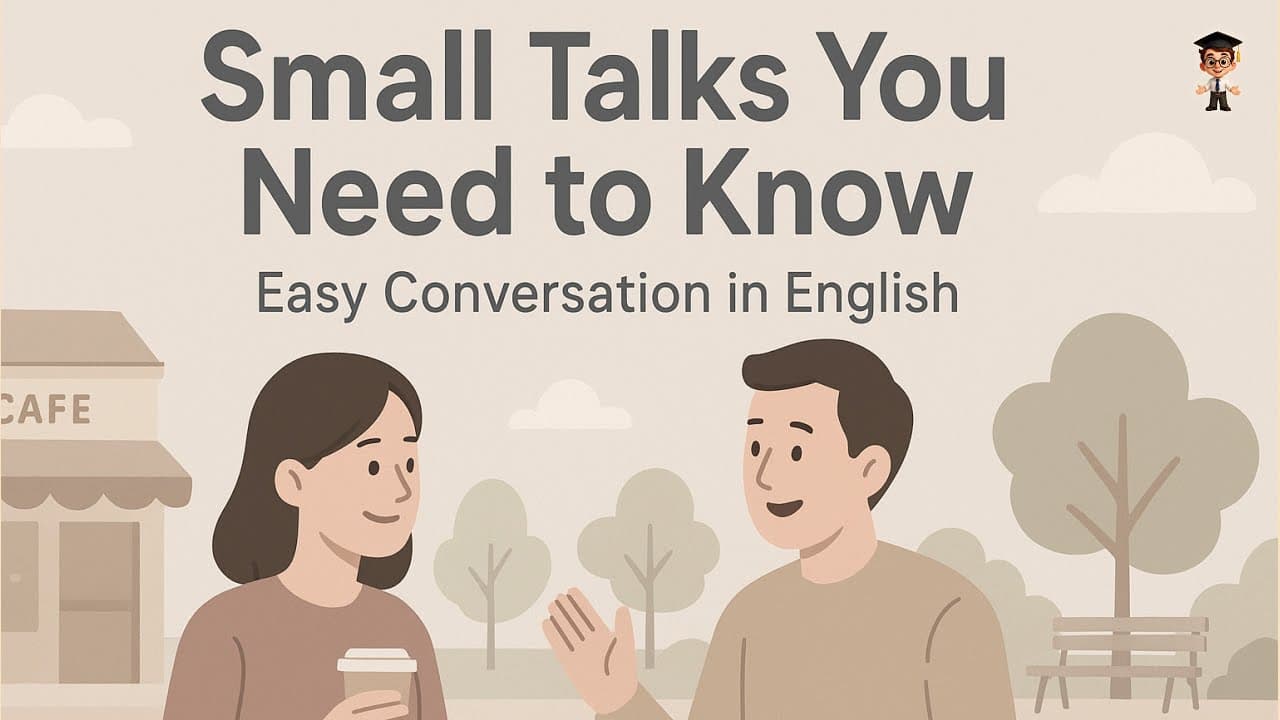
Beginners can make everyday English small talk by practicing short, polite exchanges in familiar situations such as coffee shops, clothing stores, parties, and city streets. Useful phrases include “Can I have,” “Excuse me,” and “What do you do in your free time?” Speaking slowly, listening to each answer, and asking a related question keeps the conversation moving. Read on for practical questions and responses you can rehearse.
Transcript
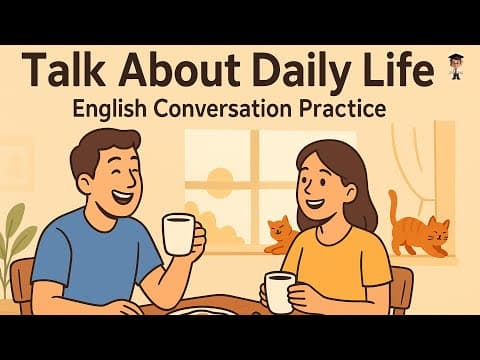
Hello everyone and welcome back to Mr. English Channel where learning English is easy and fun. I'm Emily. Hello Emily and hello to all our wonderful listeners. It is great to be back today. It is. How are you doing today, Paul? I am doing very well, thank you. I had a good breakfast. A big coffee. A big coffee is a good start. I am doing great too.... Read More
Key Insights
- Everyday English practice is most approachable in familiar situations such as coffee shops, clothing stores, city streets, parties, telephone calls, and bus stops. These settings provide predictable questions and answers that beginners can rehearse before using them in real conversations.
- A coffee order can be handled with short phrases about the drink, temperature, size, milk, food, and payment. The sample customer orders one medium black iced coffee and one chocolate cookie after learning that banana bread is unavailable, for a total of $6.
- Clothing-store conversations follow a useful sequence: state what you are looking for, choose a color and size, ask to try the item on, check the price, and decide whether to buy it. The sample shopper purchases a medium blue T-shirt for $15 by card.
- Polite direction requests begin with “Excuse me” and a clear question such as “Where is the train station?” Basic instructions can use “go straight,” “turn left,” and “on the right.” Repeating the directions can help the learner confirm what was said.
- New-person conversations can grow from simple questions about names, residence, work, and hobbies. Showing interest in an answer and asking a related question keeps the exchange moving. Shared interests can also lead naturally to suggestions for a future activity.
- Making plans requires four main details: availability, the proposed activity, the time, and the meeting place. Useful questions include “Are you free on Saturday?” and “Where should we meet?” If someone is busy, another day can be suggested without ending the conversation.
- Weather is an easy small-talk topic because a speaker can comment directly on shared conditions. Statements about sunshine, cold, rain, heat, or wind can begin a brief exchange, while a follow-up question such as “Do you think it will stop?” keeps it going.
- A polite conversation ending combines a reason for leaving, a positive comment, and a farewell. Speakers can say they have to go, mention that it was nice to talk, and finish with “See you later,” “Have a nice day,” or another friendly closing.
Install to Summarize YouTube Videos and Get Transcripts
Explore YouTube Video Summarizer or Get YouTube Transcript Extractor
Questions & Answers
Q: How can beginners practice everyday English conversation?
Practice short exchanges for familiar situations such as ordering coffee, shopping for clothes, asking for directions, and meeting someone at a party or new class. Use simple phrases, speak slowly and politely, and rehearse common questions and answers.
Q: How do you order coffee politely in English?
Begin with a request such as “Can I have one coffee, please?” Be ready to choose hot or iced, select a size, and say whether you want milk. In the example, the customer orders one medium black iced coffee and one chocolate cookie for a total of $6.
Q: What English phrases are useful when shopping for clothes?
Useful phrases include “I am looking for a T-shirt,” “Can I try it on?” and “How much is it?” When you decide to buy something, say “I will take it” and state whether you will pay with cash or card. The example shopper buys a medium blue T-shirt for $15 by card.
Q: How do you ask for directions in English?
Start politely with “Excuse me,” then ask a clear question such as “Where is the train station?” Listen for instructions including “go straight,” “turn left,” and “on the right.” Repeat the route to confirm it, then say “Thank you very much.”
Q: How do you start a conversation when meeting someone new?
Introduce yourself and say “It’s nice to meet you,” then ask simple questions about the person or the setting. Questions such as “Do you live here?”, “What do you do?”, and “What are your hobbies?” can develop the conversation. Listen to the answer and ask a related follow-up question.
Q: How can hobbies help keep English small talk going?
Ask “What do you do in your free time?” or “What are your hobbies?” Show interest in the answer and share your own interests. In the practice conversation, reading books, playing guitar, music, and hiking provide topics that help the speakers connect.
Q: What simple phrases are most useful in daily English situations?
Useful phrases include “Can I have,” “Do you have,” “I am sorry, we don’t have,” and “How much is it?” For requests or directions, use “Excuse me” and “Can you help me?” Add “please” and “thank you” to keep the exchange polite.
Q: What should beginners remember when making small talk in English?
Use short questions and familiar topics instead of trying to make the conversation complicated. Speak slowly and politely, listen carefully, and build on each answer with another simple question. Everyday settings such as coffee shops, stores, parties, and new classes provide practical opportunities to rehearse these exchanges.
Summary & Key Takeaways
-
Everyday English practice can begin with predictable situations such as ordering coffee or buying clothes. Learners can request an item, answer questions about size or preferences, ask about availability and price, and complete a purchase. Simple phrases including “Can I have,” “Do you have,” and “I will take it” support these interactions.
-
Asking for directions and meeting new people become easier when learners use polite openings and short questions. “Excuse me” can introduce a request for help, while questions about names, homes, jobs, and hobbies can develop a new conversation. Speaking slowly and politely helps make these situations feel less intimidating.
-
Making plans requires asking about availability, suggesting an activity, choosing a time, and confirming a meeting place. Weather comments provide another simple conversation starter. When it is time to leave, learners can give a reason, express appreciation for the conversation, and finish with a friendly goodbye or good wish.
Read in Other Languages (beta)
Share This Summary 📚
Summarize YouTube Videos and Get Video Transcripts with 1-Click
Try YouTube Summary with ChatGPT & Claude or YouTube Transcript Generator
Explore More Summaries from Mr. English Channel 📚

Summarize YouTube Videos and Get Video Transcripts with 1-Click
Try YouTube Summary with ChatGPT & Claude or YouTube Transcript Generator