What Cybersecurity Risks Does the Metaverse Create?
TL;DR
Metaverse security should be treated as an extension of long-standing online risks, including account takeover, theft, harmful interactions, and vulnerabilities surrounding virtual commerce. Organizations considering immersive platforms should study earlier environments such as Second Life, World of Warcraft, Fortnite, Pokémon GO, and Zoom, then proactively address both technical and operational weaknesses before using the metaverse for business.
Transcript
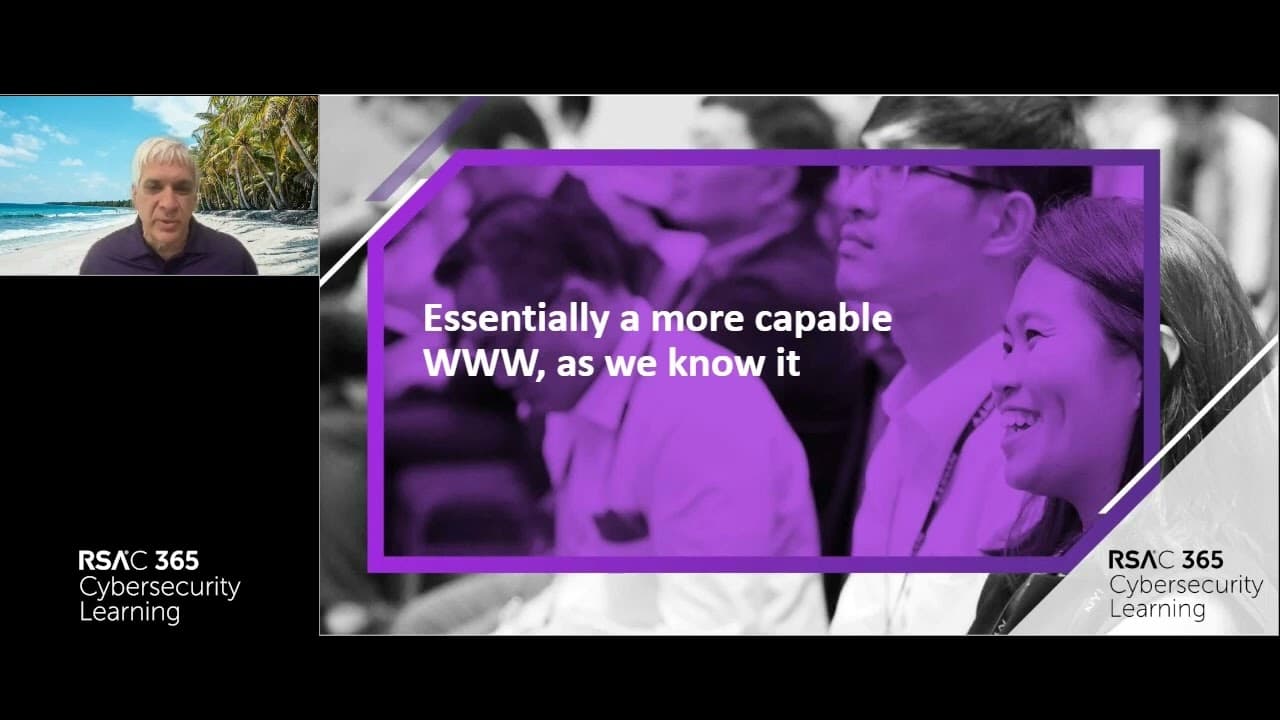
Every day, your business faces new cybersecurity risks. How can you protect your staff from accessing harmful websites and phishing attacks, whether they're in the office or at home? DNS Filter is the solution. Hello, and welcome to this installment of our RSAC 365 webcast series. Our topic today is the Metaverse of Vulnerability with Ira Winkler. ... Read More
Key Insights
- The metaverse has no single specific definition, and different groups use the term for different combinations of virtual reality, augmented reality, hybrid reality, social interaction, commerce, Web3, and blockchain-based systems.
- Metaverse-like environments have existed for decades because users were already interacting in shared virtual spaces through systems such as Internet Relay Chat, CompuServe, Doom, BattleTech centers, Second Life, multiplayer games, and social platforms.
- A metaverse can be understood as an environment that combines broad online interaction with a virtual component, often including financial transactions conducted either within the platform or through external services such as payment providers.
- Earlier virtual worlds exposed security problems that remain relevant, including account takeover, identity theft, and the theft of virtual property. World of Warcraft and Halo are cited as environments where account-related issues became visible.
- Second Life demonstrates how organizations experimented with immersive work long before the current metaverse discussion. Some companies required employees to create avatars and attend meetings inside its virtual environment, adding time and usability demands to workplace participation.
- Fortnite illustrates how virtual interaction can connect with a wider commercial ecosystem. Users buy items, socialize, and connect their activities with Twitch, where sponsorship can support people who play the game professionally.
- Pokémon GO is an augmented reality example with financial and security implications. The platform creates virtual experiences tied to physical locations, supports billions of dollars in transactions, and offers lessons about issues that future augmented environments may face.
- Metaverse adoption may expand e-commerce, strengthen social engagement, and reduce some physical limitations. Virtual stores and three-dimensional property tours can create more immersive remote experiences, although some users may find these interfaces time-consuming or unnecessary.
Install to Summarize YouTube Videos and Get Transcripts
Explore YouTube Video Summarizer or Get YouTube Transcript Extractor
Questions & Answers
Q: What is the metaverse in cybersecurity discussions?
The metaverse has no single specific definition in the webcast. Ira Winkler uses the term broadly for places where people interact with others through some virtual component, often alongside financial transactions. Those environments can include virtual reality, augmented reality, hybrid reality, social platforms, multiplayer games, and even older text-based systems such as Internet Relay Chat.
Q: Why are metaverse cybersecurity risks not entirely new?
Metaverse risks are not entirely new because shared virtual environments have existed for decades. Internet Relay Chat, CompuServe, Doom, BattleTech centers, Second Life, World of Warcraft, Halo, Fortnite, and Pokémon GO already allowed online interaction. These earlier systems revealed recurring problems involving account takeovers, stolen identities, virtual property, commerce, and operational demands.
Q: What older platforms can be considered metaverses?
The webcast identifies Internet Relay Chat, BattleTech centers, Doom, CompuServe, Second Life, World of Warcraft, Halo, Fortnite, and Pokémon GO as examples of metaverse-like environments. Although their interfaces differ, each enabled people to enter a shared or augmented environment, interact with others, conduct activities, or participate in commerce through a virtual component.
Q: What security incidents have appeared in virtual worlds?
Virtual worlds have experienced account takeovers, identity theft, and theft of virtual items. The presentation specifically connects account takeover concerns with multiplayer environments such as World of Warcraft and Halo. It also notes that people bought and stole things in online worlds, showing that valuable digital identities and property create security concerns wherever virtual interaction and commerce occur.
Q: How does commerce operate in the metaverse?
Commerce can occur directly within virtual platforms or through outside services. Users may buy virtual goods, enter virtual stores, connect platform activity with services such as Twitch, or supplement transactions through payment providers such as PayPal. The presentation also describes virtual property tours and more realistic remote shopping as possible ways immersive environments could expand e-commerce.
Q: How did Second Life anticipate workplace metaverse use?
Second Life allowed people and organizations to meet inside a virtual environment using avatars. The webcast notes that some companies required employees to create Second Life accounts, build avatars, move through the environment, and attend virtual meetings. This history shows both the workplace possibilities of immersive spaces and the additional time and effort such participation can require.
Q: Why is Pokémon GO relevant to metaverse security?
Pokémon GO is relevant because it demonstrates augmented reality operating at large commercial scale. It connects a virtual world with movement through physical locations and supports billions of dollars in transactions. The presentation argues that its experiences and security issues can provide lessons about the vulnerabilities likely to accompany future augmented reality environments and virtual economies.
Q: What should businesses consider before adopting the metaverse?
Businesses should consider both technical and operational vulnerabilities before moving into metaverse environments. Earlier platforms, including Second Life, multiplayer games, Pokémon GO, and Zoom, provide examples to study. Organizations should weigh possible benefits in commerce, communication, social engagement, and accessibility against account security, identity risks, theft, financial activity, usability demands, and other known weaknesses.
Summary & Key Takeaways
-
The metaverse has no single accepted definition. Ira Winkler describes it broadly as an environment where people interact through a virtual component, often with some form of financial activity. Under that definition, metaverse-like systems existed long before current discussions about virtual reality, augmented reality, Web3, or blockchain became prominent.
-
Earlier platforms provide practical evidence about metaverse risks. Internet Relay Chat, BattleTech centers, Doom, CompuServe, Second Life, World of Warcraft, Halo, Fortnite, and Pokémon GO each supported forms of virtual interaction. Several also involved commerce, identity theft, account takeovers, stolen virtual property, or connections to external financial services.
-
Businesses see potential value in immersive commerce, communication, social engagement, and experiences that overcome physical limitations. Virtual stores and three-dimensional home tours may offer more realistic ways to evaluate remote or virtual goods. However, organizations should examine known technical and operational vulnerabilities proactively instead of treating metaverse security as an entirely new problem.
Read in Other Languages (beta)
Share This Summary 📚
Summarize YouTube Videos and Get Video Transcripts with 1-Click
Try YouTube Summary with ChatGPT & Claude or YouTube Transcript Generator
Explore More Summaries from RSAC Cybersecurity 📚



Summarize YouTube Videos and Get Video Transcripts with 1-Click
Try YouTube Summary with ChatGPT & Claude or YouTube Transcript Generator