How to Build with OpenClaw: Peter Steinberger's Journey
TL;DR
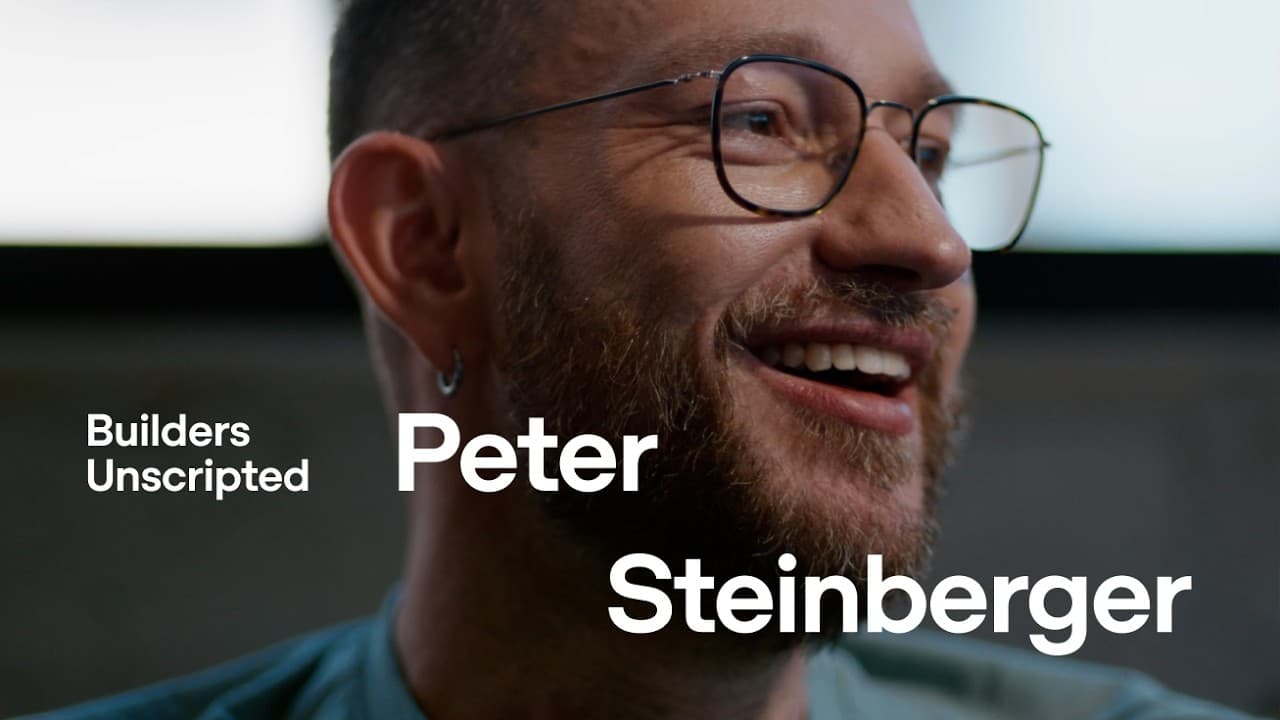
Peter Steinberger shares his journey of creating OpenClaw, emphasizing the importance of creativity and exploration in software development. He highlights the transformative impact of tools like Codex in simplifying complex tasks, enabling developers to focus on innovation. OpenClaw serves as a testament to the power of open-source collaboration and the evolving role of developers in the tech landscape.
Transcript
Peter, welcome to OpenAI. Thanks for having me. We've known each other online But I'm so happy to finally get the chance You had a crazy couple of weeks. We first had the idea of If we had done it, So congrats on all the success. How are you feeling? Slightly sensory overload on all points. But also, you know, And I feel like this is the final form... Read More
Key Insights
- Peter Steinberger is the creator of OpenClaw, a project born from exploration and creativity.
- OpenClaw exemplifies the power of open-source collaboration, with contributions from various developers.
- Codex and similar tools have revolutionized software development by simplifying complex tasks.
- Steinberger emphasizes the importance of maintaining a playful and exploratory approach to coding.
- The concept of 'vibe coding' reflects a shift towards more intuitive and less structured development processes.
- OpenClaw was built to inspire and empower developers, showcasing the potential of agentic engineering.
- Steinberger's journey highlights the evolving role of developers, focusing more on innovation than traditional coding skills.
- The future of development lies in leveraging AI tools to enhance creativity and problem-solving capabilities.
Install to Summarize YouTube Videos and Get Transcripts
Explore YouTube Video Summarizer or Get YouTube Transcript Extractor
Questions & Answers
Q: How did Peter Steinberger create OpenClaw?
Peter Steinberger created OpenClaw through a process of exploration and creativity, leveraging his background in open-source development. He combined various projects and ideas, focusing on building a tool that could inspire and empower developers. OpenClaw is a testament to the power of open-source collaboration, with contributions from a diverse community of developers.
Q: What role do AI tools like Codex play in software development?
AI tools like Codex have revolutionized software development by simplifying complex tasks, allowing developers to focus on innovation rather than mundane coding tasks. These tools facilitate a more intuitive and exploratory approach to development, enabling developers to experiment with new ideas and rapidly prototype solutions. Codex exemplifies how AI can enhance creativity and problem-solving capabilities in the tech industry.
Q: What is 'vibe coding' and how does it relate to modern development practices?
'Vibe coding' refers to a shift towards more intuitive and less structured development processes, where developers rely on instinct and creativity rather than strict methodologies. This approach reflects the evolving nature of software development, where tools like Codex enable developers to focus on innovation and exploration. 'Vibe coding' encourages a playful and experimental mindset, fostering creativity in problem-solving.
Q: How does OpenClaw exemplify the power of open-source collaboration?
OpenClaw exemplifies the power of open-source collaboration by bringing together contributions from a diverse community of developers. This collaborative approach allows for rapid iteration and innovation, as developers can build upon each other's work and share ideas. OpenClaw's success demonstrates how open-source projects can drive technological advancements and inspire new ways of thinking in software development.
Q: What is the significance of agentic engineering in OpenClaw's development?
Agentic engineering in OpenClaw's development signifies a new approach to software creation, where developers focus on building systems that can autonomously adapt and improve. This concept allows developers to create more dynamic and responsive applications, leveraging AI tools to enhance functionality and user experience. OpenClaw serves as an example of how agentic engineering can inspire and empower developers to push the boundaries of traditional software development.
Q: How has Peter Steinberger's approach to development evolved over time?
Peter Steinberger's approach to development has evolved from traditional coding practices to a more exploratory and creative mindset. He emphasizes the importance of leveraging AI tools like Codex to simplify complex tasks, allowing developers to focus on innovation and problem-solving. Steinberger advocates for a playful approach to coding, encouraging developers to experiment and explore new ideas without the constraints of rigid methodologies.
Q: What challenges did Peter Steinberger face in developing OpenClaw?
Peter Steinberger faced challenges in developing OpenClaw related to managing contributions from a diverse community and ensuring the project's direction aligned with his vision. Balancing the need for innovation with maintaining a reliable and stable platform required careful planning and collaboration. Steinberger also had to navigate the complexities of integrating various AI tools and technologies to enhance OpenClaw's capabilities.
Q: What is Peter Steinberger's vision for the future of OpenClaw?
Peter Steinberger envisions OpenClaw as a tool that can be used by anyone, from developers to everyday users, to inspire creativity and innovation. He aims to support a wide range of use cases and help users harness the power of AI tools in their projects. Steinberger's focus is on fostering a community-driven platform that encourages collaboration and exploration, ultimately pushing the boundaries of what is possible in software development.
Summary & Key Takeaways
-
Peter Steinberger discusses his creation of OpenClaw, highlighting the role of creativity and open-source collaboration in its development. He shares insights on how tools like Codex have transformed software development by simplifying complex tasks, enabling developers to focus on innovation and exploration.
-
Steinberger emphasizes the importance of a playful approach to coding, introducing the concept of 'vibe coding' as a shift towards more intuitive development processes. OpenClaw serves as an example of how agentic engineering can inspire and empower developers, showcasing the potential of AI tools in enhancing creativity.
-
The interview underscores the evolving role of developers in the tech landscape, moving beyond traditional coding skills to focus on innovation and problem-solving. OpenClaw exemplifies the power of open-source collaboration and the transformative impact of AI tools like Codex in modern software development.
Read in Other Languages (beta)
Share This Summary 📚
Summarize YouTube Videos and Get Video Transcripts with 1-Click
Try YouTube Summary with ChatGPT & Claude or YouTube Transcript Generator
Explore More Summaries from OpenAI 📚



Summarize YouTube Videos and Get Video Transcripts with 1-Click
Try YouTube Summary with ChatGPT & Claude or YouTube Transcript Generator