How to Build Wealth That Compounds for Decades
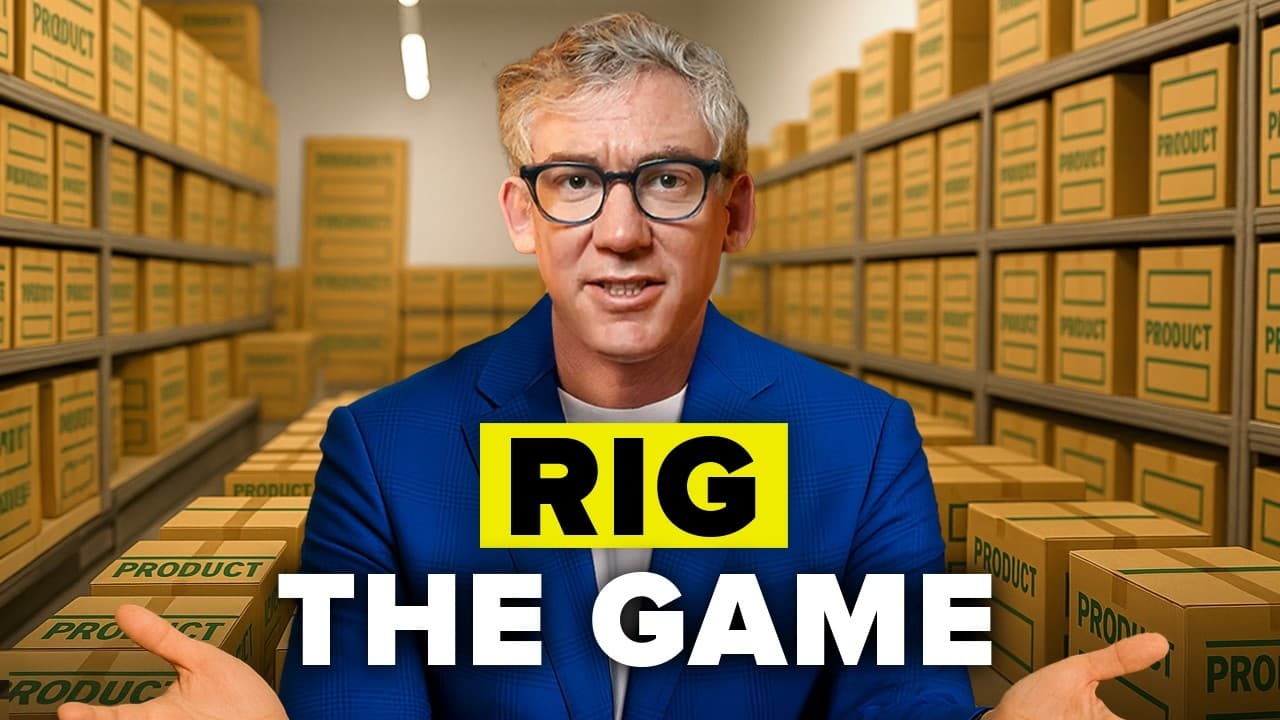
TL;DR
Build lasting wealth by solving a real customer problem consistently, reinvesting over time, and avoiding businesses that depend on loopholes or algorithms. Use a trusted spending system, make decisions your future self will appreciate, protect your vision from discouragement, and choose relationships that strengthen rather than undermine your confidence and ambition.
Transcript
13 years ago, I left my fancy Wall Street job to revitalize the small town I grew up in, Talladeigga, Alabama. Since then, I built a company that makes $23 million per month and employs multiple small towns worth of people. I'm not just rich in money, I'm rich in purpose and fulfillment. If you want an intentional and fulfilled life, follow these f... Read More
Key Insights
- Durable business value is independent of temporary loopholes. A useful test is whether the value can be explained clearly and whether customers would still pay if the supporting platform or algorithm disappeared.
- A sustainable company is built by serving one customer, addressing one pain point, and improving the solution repeatedly. This focus replaces reactive hustling with accumulated knowledge, stronger operations, and value that can compound over time.
- Scarcity is sometimes fear disguised as discipline. Excessive reluctance to spend can block dinners, mentors, trips, ideas, and other experiences that create relationships, learning, or leverage beyond the immediate financial cost.
- A trusted spending system reduces emotional decision-making. The example presented automatically invests 20%, saves 10%, and makes the remainder available for guilt-free spending on connection, growth, and joy.
- Compounding applies to time, reputation, skills, habits, culture, investing, and operational improvements, not only money. Small decisions can appear insignificant today while producing dramatically different outcomes across a decade or longer.
- Consistency is more important than immediate visible output. The value of a day can be judged by what it sets in motion, because repeated learning, investing, problem-solving, and habit formation can create momentum that later accelerates.
- Entrepreneurial progress can produce loneliness and unexpected resentment. Protecting a meaningful vision requires quiet conviction, acceptance that not everyone will understand, and a small circle of people who genuinely want to see the builder succeed.
- A supportive life partner can multiply confidence and long-term achievement. The right partner encourages ambition, helps restore emotional stability, values consistency, and grows in the same direction rather than creating resentment, doubt, or recurring drama.
Install to Summarize YouTube Videos and Get Transcripts
Explore YouTube Video Summarizer or Get YouTube Transcript Extractor
Questions & Answers
Q: How can you tell a business system from a money-making scheme?
A durable business system creates value that can be stated clearly and that customers would purchase even if a platform or algorithm disappeared. A scheme depends on loopholes, hidden tactics, or external rules that can change suddenly. When each change forces the operator to start over, the business is not accumulating durable value, operational strength, or confidence.
Q: How do you build a business that creates long-term value?
Start with one customer, one pain point, and one solution that can be improved repeatedly. Focus on solving a real problem consistently rather than finding the fastest route to revenue. Reinvest in the business, strengthen the solution, and allow time to accumulate knowledge and momentum. The goal is to build something worthy of pride five years later, not merely something that worked last week.
Q: Why can a scarcity mindset limit financial success?
A scarcity mindset can look like careful budgeting while actually being driven by fear of running out, failing, or not being enough. That fear can lead someone to reject dinners, mentors, travel, ideas, and social opportunities that might create leverage. Playing financial defense too aggressively can therefore reduce the relationships, learning, and opportunities needed to capture greater long-term upside.
Q: How can a spending system reduce financial anxiety?
A spending system establishes important financial actions in advance, reducing the need to reconsider every purchase emotionally. The example given is to invest 20% automatically, save 10%, and use the rest for guilt-free spending. Once investing and saving happen by default, money can support connection, growth, and joy without constant fear or second-guessing.
Q: How does compounding apply beyond investing money?
Compounding also affects skills, reputation, time, habits, company culture, relationships, and operational improvements. An hour spent learning may not feel dramatically different from an hour wasted when someone is 20, but repeated choices can produce very different outcomes over 20 years. Consistent actions matter because their effects accumulate and can accelerate once momentum develops.
Q: What is the best way to use a 10-year business plan?
A 10-year plan should establish an ambitious direction while emphasizing daily problem-solving, reinvestment, sustainable margins, and consistent execution. David set a goal at age 30 to grow Filterbuy to $70 million in revenue, then reported that the company had tripled that goal by age 40. His conclusion was that long time horizons can produce more than initially seems reasonable.
Q: Why can entrepreneurship become lonely as success grows?
Entrepreneurship can become lonely because friends, relatives, or peers may not understand an unusual vision, and some may respond to progress with distance, back-handed compliments, passive resistance, or resentment. Shrinking an ambition to preserve universal approval can undermine meaningful work. A better response is to maintain quiet conviction and build a small circle of people who genuinely support the mission.
Q: How should an entrepreneur choose a supportive life partner?
An entrepreneur should look for a partner who believes in their potential, encourages rather than belittles, asks constructive questions, supports emotional recovery, values consistency, and wants to grow in the same direction. Warning signs include resentment during focused work, disinterest in important goals, and recurring drama when life is going well. The partner need not work in the business, but should be emotionally invested in the person.
Summary & Key Takeaways
-
Durable businesses create value customers would purchase even if a platform or algorithm disappeared. Instead of chasing fast money through schemes, choose one customer, one pain point, and one improvement to repeat consistently. This shift allows useful work, reputation, and business value to compound while reducing the exhausting cycle of repeatedly starting over.
-
Fear-driven scarcity can resemble responsible financial discipline, but excessive control may prevent spending on relationships, mentors, travel, and ideas that create leverage. A trusted system can automate priorities, such as investing 20% and saving 10%, while allowing the remaining money to support connection, personal growth, and enjoyment without repeated emotional decisions.
-
Long-term success depends on consistency, emotional resilience, and supportive relationships. Daily choices can compound across wealth, skills, reputation, habits, and company culture. Progress may also create loneliness or resentment, making it important to protect the vision, maintain a small supportive circle, and choose a partner who reinforces confidence and shared growth.
Read in Other Languages (beta)
Share This Summary 📚
Summarize YouTube Videos and Get Video Transcripts with 1-Click
Try YouTube Summary with ChatGPT & Claude or YouTube Transcript Generator
Explore More Summaries from David Heacock 📚




Summarize YouTube Videos and Get Video Transcripts with 1-Click
Try YouTube Summary with ChatGPT & Claude or YouTube Transcript Generator