What Does the Birth of Christ Mean in the Gospels?
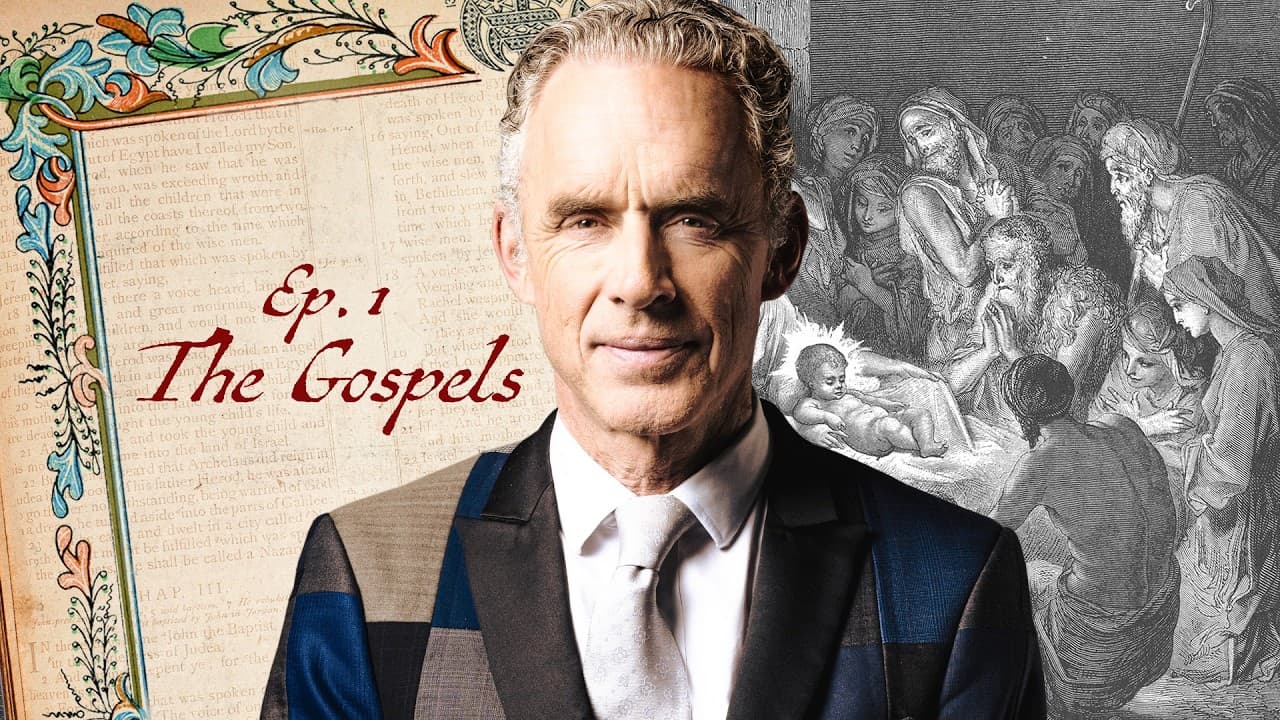
TL;DR
The birth of Christ is depicted as a transformative event that signifies the merging of divine and human realms. It occurs under the Roman Empire's tyranny, symbolizing the emergence of true divinity in a lowly state, contrasting with the false god-emperors. The annunciation to Mary and Joseph highlights themes of faith, sacrifice, and the divine nature of Jesus, setting the stage for his role as a savior.
Transcript
hello everybody I want to share an announcement concerning some of my recent work exploring the biblical texts that sit at the foundation of our culture all of this initially exploded on the public front with the Genesis lectures I recorded in 2017 that was followed some Years Later by the four-part documentary series I recorded with dailywire Plus... Read More
Key Insights
- The birth of Christ occurs under the Roman Empire, highlighting the contrast between divine and earthly power.
- Mary's acceptance of her role reflects profound faith and the idea of divine sacrifice.
- The annunciation to the Shepherds emphasizes the universal significance of Christ's birth.
- John the Baptist's role as a precursor to Christ underscores the importance of conscience in spiritual awakening.
- Baptism is a symbolic act representing the death of the old self and the birth of a new, more integrated being.
- The story of Christ's birth is deeply rooted in Jewish tradition, fulfilling Old Testament prophecies.
- The narrative of Christ's birth challenges the concept of power by presenting true divinity in a humble setting.
- The gospels aim to reconcile the divine with the human, offering a new understanding of existence and purpose.
Install to Summarize YouTube Videos and Get Transcripts
Explore YouTube Video Summarizer or Get YouTube Transcript Extractor
Questions & Answers
Q: Why is the birth of Christ significant in the Gospels?
The birth of Christ is significant as it marks the incarnation of the divine in a humble setting, contrasting with the earthly power of the Roman Empire. It fulfills Old Testament prophecies and signifies the beginning of a new spiritual order, highlighting themes of faith, sacrifice, and divine intervention.
Q: What role does John the Baptist play in the Gospels?
John the Baptist serves as a precursor to Christ, preparing the way for his ministry. He emphasizes the importance of repentance and spiritual awakening, symbolized by baptism, which represents the death of the old self and the birth of a new, more integrated being in alignment with divine will.
Q: How does the annunciation to Mary reflect themes of faith and sacrifice?
The annunciation to Mary reflects profound faith as she accepts her divine role, embodying the spirit of sacrifice. Her willingness to participate in God's plan signifies trust in divine wisdom, and her story echoes themes of motherhood and the sacred nature of life, setting the stage for Christ's mission.
Q: What is the significance of the annunciation to the Shepherds?
The annunciation to the Shepherds signifies the universal nature of Christ's birth, emphasizing that the message of salvation is for all people, not just the elite. The Shepherds, being lowly and humble, represent the accessibility of divine grace and the breaking of social and religious barriers.
Q: How does the birth of Christ challenge traditional concepts of power?
The birth of Christ challenges traditional concepts of power by presenting true divinity in a humble and lowly state, contrasting with the tyrannical rule of the Roman Empire. It redefines power as rooted in sacrifice, love, and humility, rather than dominance and control, offering a new spiritual paradigm.
Q: What is the role of baptism in the Gospels?
Baptism in the Gospels symbolizes the death of the old self and the rebirth into a new, spiritually integrated being. It represents purification, repentance, and the readiness to embrace a life aligned with divine purpose, marking the beginning of Jesus' public ministry and his path of sacrifice and redemption.
Q: How do the Gospels reconcile the divine with the human?
The Gospels reconcile the divine with the human by presenting Jesus as both fully divine and fully human. His birth, life, and teachings bridge the gap between heaven and earth, offering a model for living in alignment with divine will and demonstrating the potential for humanity to participate in divine grace.
Q: What Old Testament prophecies are fulfilled by the birth of Christ?
The birth of Christ fulfills several Old Testament prophecies, including the virgin birth and the lineage of David, as foretold in texts like Isaiah and Micah. These fulfillments underscore Jesus' role as the promised Messiah, who brings salvation and establishes a new covenant between God and humanity.
Summary & Key Takeaways
-
The birth of Christ is set against the backdrop of the Roman Empire's rule, symbolizing a new divine order. It highlights the contrast between the earthly power of Augustus and the true divinity of Jesus, born in a humble setting.
-
Mary's annunciation reflects her acceptance of a divine role, embodying faith and sacrifice. The narrative emphasizes the fulfillment of Old Testament prophecies and the emergence of a new spiritual order.
-
John the Baptist's role as a forerunner to Christ signifies the importance of conscience and spiritual preparation. The story's themes of baptism and divine intervention offer insights into the transformative nature of faith.
Read in Other Languages (beta)
Share This Summary 📚
Summarize YouTube Videos and Get Video Transcripts with 1-Click
Try YouTube Summary with ChatGPT & Claude or YouTube Transcript Generator
Explore More Summaries from Jordan B Peterson 📚


Summarize YouTube Videos and Get Video Transcripts with 1-Click
Try YouTube Summary with ChatGPT & Claude or YouTube Transcript Generator