Did Zuckerberg Risk User Data in China Deal?
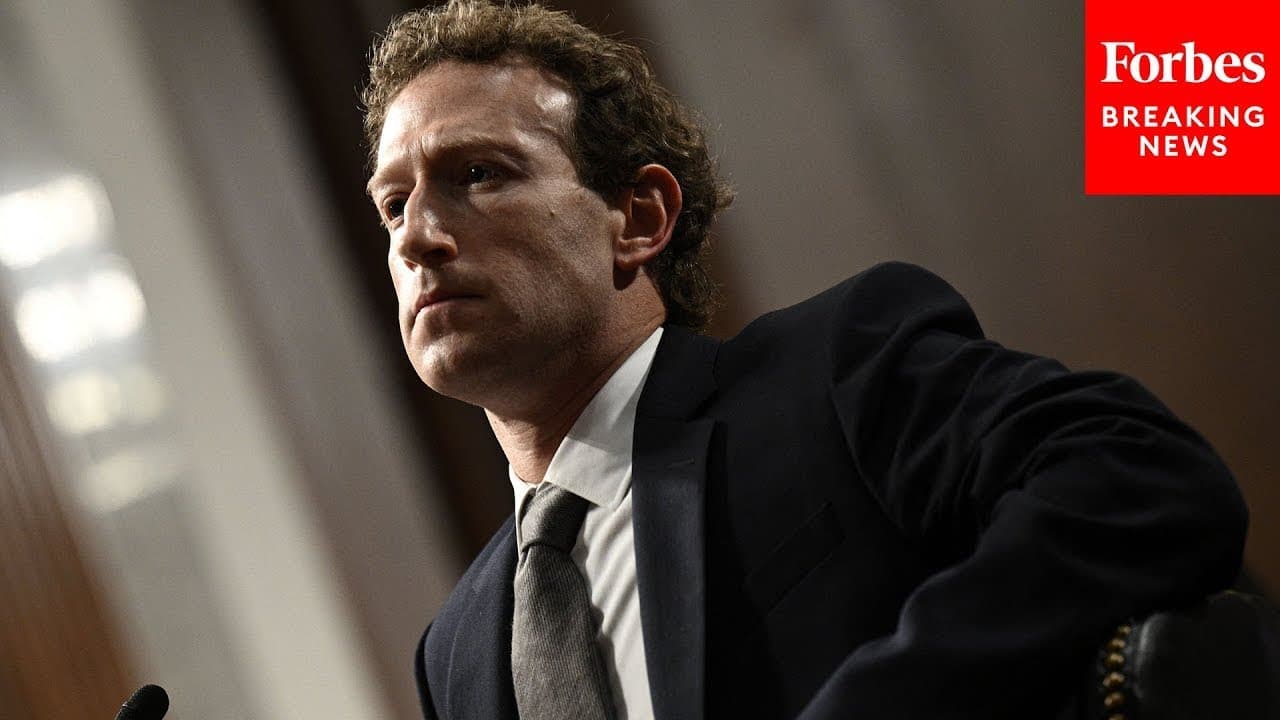
TL;DR
Facebook whistleblower Sarah Wynn-Williams testified that Mark Zuckerberg was aware of and approved plans that could expose American user data to Chinese surveillance. Despite Facebook's public stance, internal projects were developed to comply with Chinese censorship and surveillance demands. Zuckerberg's personal involvement and the creation of tools like the 'chief editor' indicate deep engagement with Chinese authorities.
Transcript
senator Blumenthal if you're ready I'll turn it over to you Thanks very much uh Mr Chairman Um in order to operate in China uh the Communist Party requires American companies to register with authorities and host servers inside the country And um I think it's pretty well known that Chinese law requires that security services are allowed access to a... Read More
Key Insights
- Facebook's China project raised concerns about exposing American data to Chinese surveillance.
- Mark Zuckerberg was personally involved and aware of the risks in the China project.
- Facebook developed and activated tools to comply with Chinese censorship demands.
- The 'chief editor' tool was used to review viral content in Hong Kong and Taiwan.
- Facebook denied the existence of these tools in 2018, despite evidence to the contrary.
- Zuckerberg's engagement with China included learning Mandarin and frequent travels.
- Facebook's actions contradicted its public statements about not complying with Chinese laws.
- Sensitive technologies, like facial recognition, were shared with Chinese security officials.
Install to Summarize YouTube Videos and Get Transcripts
Explore YouTube Video Summarizer or Get YouTube Transcript Extractor
Questions & Answers
Q: How did Facebook's China project raise privacy concerns?
Facebook's China project raised privacy concerns by potentially exposing American user data to Chinese surveillance. Internal documents and testimony revealed that tools were developed to comply with Chinese censorship demands, and whistleblower Sarah Wynn-Williams testified that Mark Zuckerberg was aware of these risks. The project involved creating tools like the 'chief editor' to review viral content, extending Facebook's compliance beyond mainland China to regions like Hong Kong and Taiwan.
Q: What was Mark Zuckerberg's involvement in the China project?
Mark Zuckerberg was deeply involved in Facebook's China project, personally overseeing its development and being aware of the associated risks. He learned Mandarin, frequently traveled to China, and was central to the project's planning and execution. His involvement included developing tools to comply with Chinese censorship demands, contradicting Facebook's public statements about not complying with Chinese laws.
Q: What tools did Facebook develop for Chinese censorship?
Facebook developed tools like the 'chief editor' to comply with Chinese censorship demands. This tool was designed to review viral content, particularly in regions like Hong Kong and Taiwan, beyond mainland China. The 'chief editor' had extensive powers, including the ability to turn off services in specific regions and manage content during significant anniversaries. These actions contradicted Facebook's public denials of such compliance.
Q: Did Facebook share sensitive technologies with Chinese officials?
Yes, Facebook shared sensitive technologies, including facial recognition models, with Chinese security officials. This sharing of technology enabled Chinese authorities to enhance their surveillance capabilities. Whistleblower testimony highlighted that despite public statements to the contrary, Facebook engaged in actions that could give China an upper hand in surveillance, contradicting its stance as a U.S. national champion.
Q: What was the 'chief editor' tool used for?
The 'chief editor' tool was developed by Facebook to review viral content exceeding 10,000 views, particularly in Hong Kong and Taiwan. This tool was part of Facebook's compliance with Chinese censorship demands, allowing the review and potential censorship of content deemed sensitive. The 'chief editor' had the power to turn off services in specific regions and manage content during significant anniversaries, raising concerns about privacy and freedom of expression.
Q: How did Facebook's actions contradict its public statements?
Facebook's actions contradicted its public statements by developing tools to comply with Chinese censorship and surveillance demands, despite publicly denying such compliance. Whistleblower testimony and internal documents revealed that Facebook engaged in dialogue with Chinese authorities and built tools like the 'chief editor' to manage content, contradicting its statements about not offering services in China and not knowing how Chinese laws would apply.
Q: What was the significance of Zuckerberg learning Mandarin?
Mark Zuckerberg learning Mandarin signified his deep personal involvement and commitment to Facebook's China project. It reflected his intent to engage directly with Chinese authorities and oversee the project's development. His language skills facilitated communication and negotiation, highlighting the importance of the China project to Facebook and his willingness to invest personally in its success, despite the associated risks and privacy concerns.
Q: Why was Facebook's engagement with China controversial?
Facebook's engagement with China was controversial due to its development of tools to comply with Chinese censorship and surveillance demands, potentially compromising user privacy. Despite public denials, internal documents and whistleblower testimony revealed actions that contradicted its stated policies. The involvement of Mark Zuckerberg and the sharing of sensitive technologies with Chinese officials further fueled concerns about privacy, freedom of expression, and national security.
Summary & Key Takeaways
-
Facebook's internal projects aimed to comply with Chinese surveillance, contradicting public statements. Tools like the 'chief editor' were used to review content in Hong Kong and Taiwan, raising privacy concerns. Mark Zuckerberg was deeply involved, aware of the risks, and personally invested in these projects, indicating a significant contradiction between Facebook's public and internal actions.
-
Whistleblower Sarah Wynn-Williams testified that Mark Zuckerberg approved plans that could expose American user data to Chinese surveillance. Despite public denials, Facebook developed tools to comply with Chinese censorship demands, and Zuckerberg was personally involved in these efforts, learning Mandarin and frequently traveling to China.
-
Facebook's engagement with China included developing tools for censorship and surveillance, contradicting its public stance. The 'chief editor' tool reviewed viral content beyond mainland China, and sensitive technologies were shared with Chinese officials. Mark Zuckerberg's personal involvement highlights the depth of Facebook's engagement with Chinese authorities.
Read in Other Languages (beta)
Share This Summary 📚
Summarize YouTube Videos and Get Video Transcripts with 1-Click
Try YouTube Summary with ChatGPT & Claude or YouTube Transcript Generator
Explore More Summaries from Forbes Breaking News 📚






Summarize YouTube Videos and Get Video Transcripts with 1-Click
Try YouTube Summary with ChatGPT & Claude or YouTube Transcript Generator