How to Build Continuous Ransomware Defense
TL;DR
Ransomware defense requires prevention, recoverable backups, continuous visibility, monitoring, and rapid response. Security should be embedded into cloud, IT, and application architecture from the beginning, with accurate asset inventories, ongoing vulnerability and configuration assessment, and the ability to patch weaknesses or restore systems when attackers bypass traditional blocking controls.
Transcript
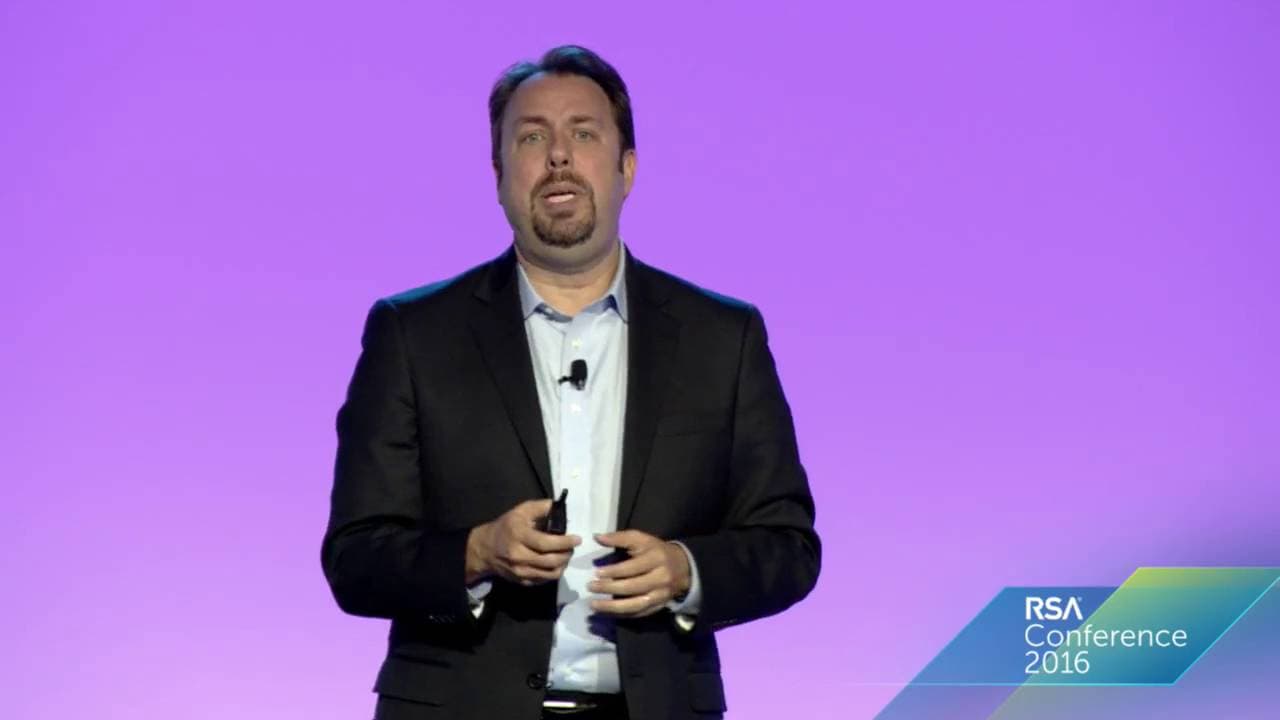
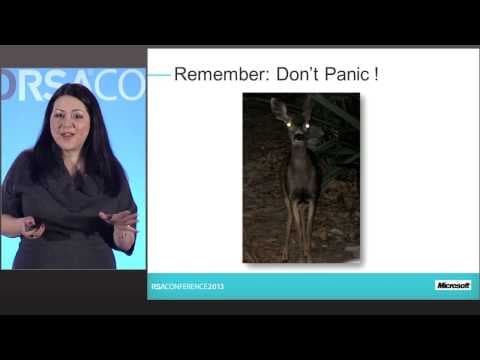
Good afternoon. Welcome. And welcome to the age of ransom. Let me paint a picture for you. It's Monday morning, you come into the office, you check your email, you open some attachments, and then you see this on your screen. Your stomach drops to the floor. Oh, boy, you're now a victim of ransomware. Now, you may think just for yourself it may not ... Read More
Key Insights
- Ransomware is a remote criminal business model that allows attackers to compromise systems, encrypt valuable resources, and monetize the victim's need for restoration without being physically present. Organizations that pay to recover operations demonstrate that this model can produce returns for its operators.
- Ransomware can create consequences beyond ordinary business downtime when hospitals or critical infrastructure are affected. A hospital attack described in the talk shut down its network, forced patients to be moved elsewhere, and required staff to conduct business using fax machines while systems remained unavailable.
- A compromised endpoint can become a foothold for a much broader attack across organizational networks and systems. The threat is not limited to workstations because vulnerable websites, content databases, business services, and sensitive corporate or personal data can also be disrupted, encrypted, stolen, or held for ransom.
- Reliable recovery depends on backups that remain available after ransomware reaches the production network. Backups attached to a network file server may also be encrypted, so organizations should consider protected alternatives, including cloud-based backups, while planning how they will restore systems following a successful attack.
- Security is most effective when it is a foundational component of IT and application infrastructure. Adding controls only after a business project is built can create a fragmented collection of security products, while neglecting the people and processes required to operate those controls effectively.
- DevSecOps gives security a place within the cloud architecture process alongside development and operations. By embedding security into continuous integration and deployment practices, organizations can make protection a first-class responsibility rather than treating it as a separate review performed at the end of a project.
- Security as a service can make strong controls easier for application developers to adopt. The Stripe example shows how a cloud business service can include encryption and multifactor authentication while preventing customer credit card data from remaining on the customer's own servers.
- Adaptive security architecture combines traditional blocking with detection and response because threats and adversary tactics change. Continuous visibility identifies assets and their functions, continuous monitoring evaluates vulnerabilities, patches, and configuration changes, and response capabilities patch weaknesses or restore altered configurations.
Install to Summarize YouTube Videos and Get Transcripts
Explore YouTube Video Summarizer or Get YouTube Transcript Extractor
Questions & Answers
Q: How should organizations defend against ransomware?
Organizations should combine preventive controls with recovery and continuous security practices. Prevention can operate at the perimeter, endpoint, and server, but teams must recognize that changing attacks may still get through. They therefore need protected backups, accurate asset visibility, ongoing monitoring for vulnerabilities and configuration changes, and response capabilities that can patch weaknesses or restore affected systems.
Q: Why are backups essential for ransomware recovery?
Backups provide a path to restore operations when ransomware encrypts production systems or data. However, a backup connected to a network file server may be encrypted along with the resources it is supposed to protect. The talk therefore recommends good backups, including cloud-based options, and emphasizes that restoration must complement prevention because organizations may still experience a successful ransom attack.
Q: Why can ransomware be especially dangerous for hospitals?
Ransomware can affect patient care as well as routine business operations when it disables hospital networks. In the example presented, the hospital had to move patients to other facilities and return to fax machines to continue conducting business. This illustrates why attacks involving healthcare or critical infrastructure can carry consequences beyond financial loss and ordinary organizational downtime.
Q: How can one ransomware infection affect an entire company?
An attack that begins on an end-user workstation can provide a foothold for broader compromise. From that initial access, ransomware may spread to shared networks and systems, causing organization-wide disruption. Employees may lose access to their work, business operations may stop, and leadership may face urgent decisions about restoration, ransom demands, and how to obtain the requested payment method.
Q: What does DevSecOps mean for organizational security?
DevSecOps means giving security a place alongside development and operations when teams design cloud, IT, and application architecture. Security becomes part of the foundational design and continuous delivery process instead of an afterthought added near completion. This approach helps developers use secure services more easily and supports continuous visibility, monitoring, and response throughout the operating environment.
Q: How does cloud architecture help embed security?
Cloud architecture can provide a blueprint in which security is built into infrastructure and application services from the beginning. Business teams may pursue cloud services for financial benefits, scalability, computing flexibility, and availability, while security teams help select services with integrated protections. The Stripe example includes encryption, multifactor authentication, and an architecture that keeps customer credit card data off customer servers.
Q: What is adaptive security architecture?
Adaptive security architecture is an approach that supplements traditional blocking with threat detection and response. It recognizes that the threat landscape and attacker tactics will change, so protection cannot remain a one-time activity. The model calls for continuously delivered security with visibility into assets, monitoring of vulnerabilities and configurations, and response mechanisms that can apply patches or reverse unwanted changes.
Q: What capabilities are required for continuous security?
Continuous security requires visibility, monitoring, and response. Visibility provides an up-to-date inventory of assets, functions, software, hardware, and shadow IT. Monitoring evaluates whether assets are vulnerable, patched, or affected by configuration changes and application weaknesses. Response then turns that information into action by patching vulnerabilities, reverting configuration files, and helping teams maintain a current security posture.
Summary & Key Takeaways
-
Ransomware can expand from one compromised workstation into an organization-wide shutdown affecting networks, websites, data, and essential services. The incidents discussed show that attackers can remotely compromise systems, encrypt resources, and collect payment, while victims face consequences ranging from ordinary business disruption to risks involving patients and critical infrastructure.
-
Prevention remains useful at the perimeter, endpoint, and server, but organizations must assume some attacks will succeed. Recovery therefore requires dependable backups that ransomware cannot encrypt through connected network resources. A comprehensive defense also treats security as a combination of technology, people, and processes rather than a tool added after deployment.
-
Cloud architecture and DevSecOps can make security a foundational part of applications and infrastructure. Continuous security combines current asset visibility, ongoing monitoring of vulnerabilities and configurations, and practical response capabilities. This model helps teams identify shadow IT, apply patches, reverse harmful configuration changes, and adapt as threats and attacker tactics evolve.
Read in Other Languages (beta)
Share This Summary 📚
Summarize YouTube Videos and Get Video Transcripts with 1-Click
Try YouTube Summary with ChatGPT & Claude or YouTube Transcript Generator
Explore More Summaries from RSAC Cybersecurity 📚

Summarize YouTube Videos and Get Video Transcripts with 1-Click
Try YouTube Summary with ChatGPT & Claude or YouTube Transcript Generator