How to Heal Shame and Break Self-Sabotage
TL;DR
Healing has no fixed timeline, so recurring pain or triggers are not proof that you have failed. Breaking shame and self-sabotage requires giving yourself grace, feeling difficult emotions honestly, avoiding comparison, and focusing on what you genuinely need rather than the polished lives others present.
Transcript
I grew up in a world where it's so competitive even if I'm not the most talented I'm the hardest worker until you're burnt out and you don't have anything else to give and then what look I'm trying to talk to you about a job opportunity do I look unemployed to you you are emerging in Hollywood in such a real way give it up for La anthy when my whol... Read More
Key Insights
- Healing is a messy process without a fixed deadline. A painful memory or unexpected trigger can return after months or years, and its return does not mean that previous progress was false or that a person should already be completely over it.
- Self-compassion is necessary when emotional pain resurfaces. Replacing thoughts such as "I should be done with this" with patience and grace allows difficult feelings to be experienced without adding a second layer of judgment, guilt, or shame.
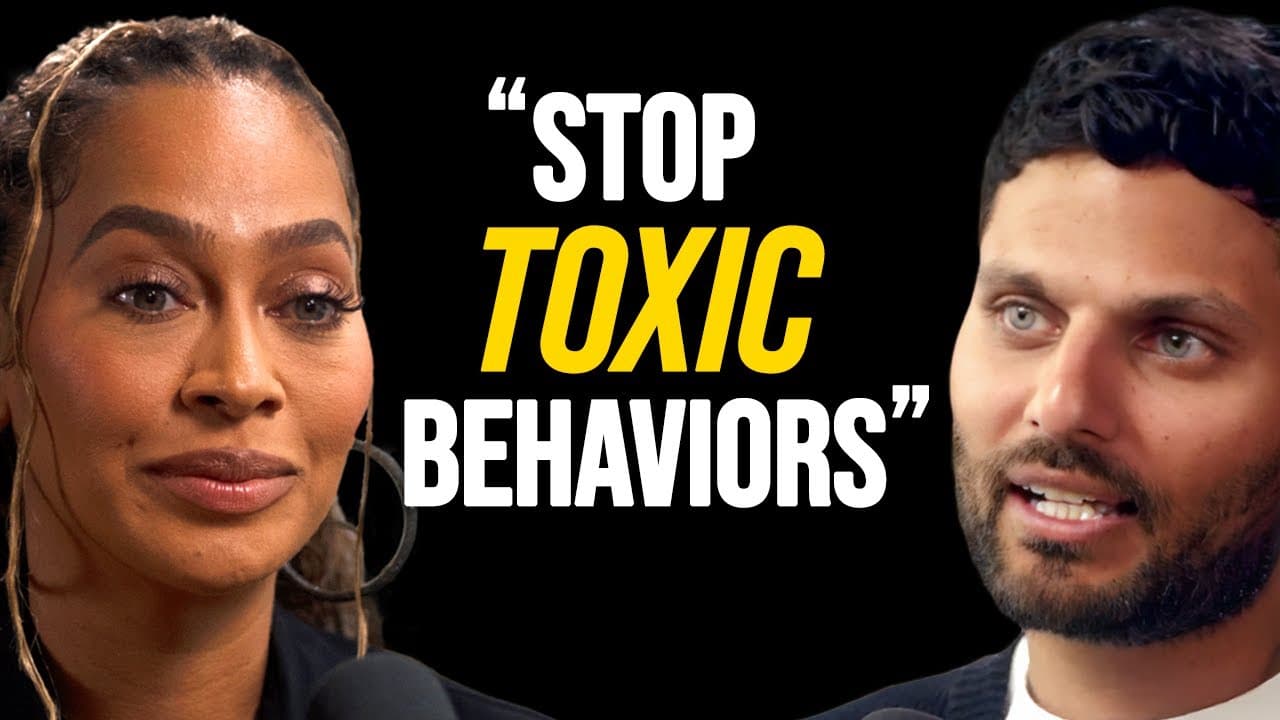
- Inner healing can involve confronting abandonment, inadequacy, and the recurring question of why painful events happened. La La Anthony reframes hardship as something she was capable of surviving and as an experience that can eventually help someone else.
- Social media presents an incomplete version of people's lives. Visible beauty, wealth, status, or success cannot reveal what someone feels internally or faces at home, so comparing private struggles with another person's public image produces a distorted conclusion.
- Comparison makes lasting satisfaction nearly impossible because someone will always appear younger, better dressed, more talented, or otherwise advantaged. The practical alternative is to identify personal needs and build a sense of wholeness that does not depend on outperforming others.
- Money and influence do not prevent ordinary human struggles. People with very different levels of wealth and status can face similar emotional and relationship problems, even though success may change the circumstances and introduce additional pressures.
- Public visibility creates its own emotional burden because private hardships can become subjects of widespread criticism and opinion. Strengthening oneself is therefore important for handling scrutiny without assuming that fame should make painful feelings disappear.
- Resilience includes admitting that everything is not always okay. Maintaining privacy does not require emotional denial, and gratitude for a successful life can coexist with sadness, confusion, or pain without making those feelings illegitimate.
- More videos from this channel:
- More from this channel: Jay Shetty Podcast
Install to Summarize YouTube Videos and Get Transcripts
Explore YouTube Video Summarizer or Get YouTube Transcript Extractor
Questions & Answers
Q: How can I stop a shame spiral when painful feelings return?
A recurring painful feeling should be treated as part of a messy healing process, not as evidence that you have failed. Notice the feeling without insisting that you should already be over it. Give yourself grace, remember that healing has no fixed deadline, and allow gratitude and pain to coexist instead of using your blessings to invalidate your emotions.
Q: Why does healing sometimes feel like it is going backward?
Healing can feel backward because a memory, comment, or experience may reactivate emotions that seemed resolved. La La Anthony emphasizes that these moments can happen even years later. Their return does not erase earlier progress. The more helpful response is patience rather than self-criticism, since demanding a strict recovery schedule can intensify guilt and shame.
Q: How does social media contribute to self-sabotage?
Social media encourages people to compare their complete inner lives with carefully presented fragments of someone else's life. A person may see beauty, success, or confidence without seeing private pain or problems at home. That incomplete comparison offers endless reasons for self-criticism, making it harder to recognize personal strengths, needs, and sources of genuine happiness.
Q: How can I stop comparing myself with successful people?
Focus on determining what you personally need rather than using another person's appearance, talent, age, clothing, money, or status as your standard. There will always be someone who seems advantaged in one category. Lasting satisfaction requires confidence and wholeness within yourself, along with the recognition that public success does not reveal a person's private struggles.
Q: Can gratitude and emotional pain exist at the same time?
Gratitude and emotional pain can exist together without contradiction. A person may appreciate a beautiful life, success, influence, or financial stability while still experiencing abandonment, disappointment, or grief. Feeling pain does not automatically make someone ungrateful. Acknowledging both realities honestly is healthier than using fortunate circumstances as a reason to suppress legitimate emotions.
Q: Why do money and fame not solve emotional problems?
Money, fame, and influence can provide real benefits, but they do not shield a person from feelings, relationship difficulties, or other human struggles. La La Anthony observes that friends with very different levels of wealth and success can experience similar problems. Public visibility may also add criticism and unwanted discussion of private hardship, creating another set of pressures.
Q: How can painful experiences become a source of growth?
Pain can support growth when it is processed honestly and reframed as evidence of what a person survived. La La Anthony reminds herself that she went through hardship because she could endure it, that she can emerge better, and that others may learn from her experience. This perspective does not erase suffering, but it can give suffering constructive meaning.
Q: Is pretending everything is fine a healthy form of strength?
Privacy and emotional denial are not the same thing. A person does not need to share every problem publicly, but consistently acting as though everything is fine can prevent honest engagement with pain. Strength includes admitting when something hurts, allowing feelings to exist, and giving yourself time and grace instead of performing constant composure for other people.
Summary & Key Takeaways
-
La La Anthony describes healing as a messy process without a deadline. Feelings connected to abandonment, inadequacy, divorce, guilt, or rejection can return unexpectedly. Instead of treating those reactions as personal failures, she is learning to acknowledge them, extend herself grace, and stop pretending that everything is always fine.
-
Social comparison creates an endless supply of reasons to feel inadequate because someone will always appear younger, more talented, better dressed, or more successful. Social media reveals little about private struggles, so lasting contentment depends on understanding personal needs and developing confidence that is not controlled by another person's visible life.
-
Success, money, fame, and influence can bring meaningful opportunities without protecting anyone from emotional pain. Public figures also face criticism and widespread discussion of their private difficulties. Resilience grows through honest self-reflection, supportive relationships, continued learning, and the decision to transform painful experiences into lessons that may help other people.
Read in Other Languages (beta)
Share This Summary 📚
Summarize YouTube Videos and Get Video Transcripts with 1-Click
Try YouTube Summary with ChatGPT & Claude or YouTube Transcript Generator
Explore More Summaries from Jay Shetty Podcast 📚




Summarize YouTube Videos and Get Video Transcripts with 1-Click
Try YouTube Summary with ChatGPT & Claude or YouTube Transcript Generator