Robert Greene ON: The Laws of Mastery, Power and Human Nature & Harnessing Your Dark Side For Good
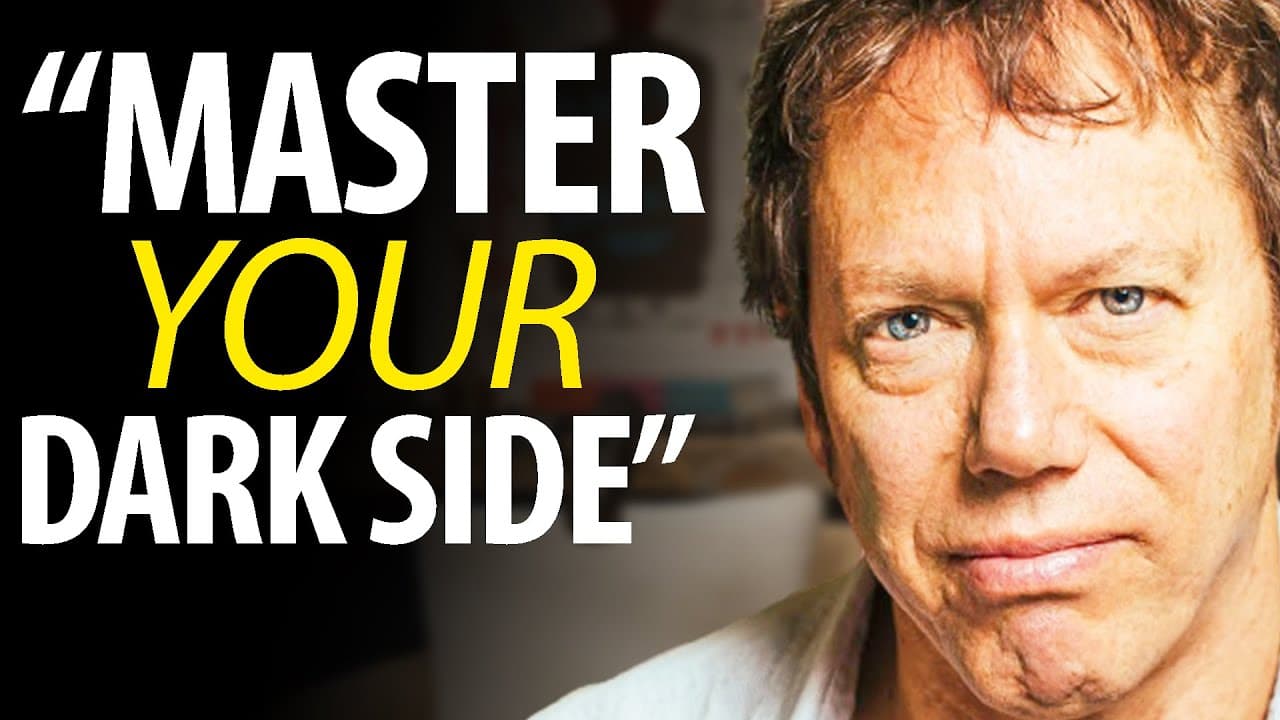
TL;DR
Self mastery creates a margin of control that reduces helplessness and increases influence over others. By observing people, managing reactions, timing actions, and cultivating daily habits, you build practical power in work and relationships. It starts with understanding your own impulses and choosing disciplined responses over knee jerk reactions.
Transcript
when you're excited about a project when you feel alive and energized then time is a much different experience than when you're bored so you can create your relationship to time right so i'm not ready well there's a strategy for that you should always take action a little bit before you were ready is the advice i give several months before you're r... Read More
Key Insights
- Power is defined as the capacity for self control and influence over one s environment, not status or fame.
- The core of power lies in self mastery, which reduces feelings of helplessness and increases capacity to steer outcomes.
- Influence grows from understanding people s drives and hidden motives, not from force or aggression.
- Observation of others is a practical tool for deciphering how to respond effectively in real time.
- Timing and insinuation are strategic skills that can shape decisions without overt pressure.
- Plan the end to shape present actions, aligning daily steps with long term goals.
- Daily habits are the fuel for consistent power, turning aspirations into repeatable outcomes.
- Empathy and ethical use of power sustain influence and prevent toxic behavior.
- More videos from this channel:
- More from this channel: Jay Shetty Podcast
Install to Summarize YouTube Videos and Get Transcripts
Explore YouTube Video Summarizer or Get YouTube Transcript Extractor
Questions & Answers
Q: A real search query question about the video (e.g. 'How to...', 'What is...', 'Why does...', 'When should...'). Question 1
Power in daily life is about the margin of control you can secure over yourself and the people around you. It s the ability to influence outcomes without coercion, rooted in self discipline, clear objectives, and humane strategy. By recognizing your own impulses and shaping your responses, you gain a steadier presence that others respond to, ultimately increasing your practical influence in work and relationships.
Q: Question 2
Self mastery begins with awareness of your automatic reactions and patterns. By observing your triggers, you can pause before acting, choose deliberate responses, and gradually replace knee jerk habits with deliberate routines. This shift reduces volatility in your decisions and creates a reliable base for others to trust and follow.
Q: Question 3
Observation is not passive; it is a deliberate skill for reading people and situations. When you notice how others frame requests, hide intentions, or signal status, you can anticipate moves and respond with timing that aligns with your goals. This reduces uncertainty and increases your agency.
Q: Question 4
Timing is a crucial element of influence. Acting too soon can alienate; waiting too long can miss opportunities. The practice is to calibrate actions to the moment, balancing urgency with restraint. Mastery includes recognizing when to push, when to pull back, and how to align actions with the broader objective.
Q: Question 5
The art of insinuation and persuasion involves planting ideas indirectly, guiding decisions without overt pressure. Build credibility, frame benefits subtly, and let others arrive at conclusions themselves. This approach minimizes resistance and fosters cooperation while preserving your strategic autonomy in conversations and negotiations.
Q: Question 6
Plan the end means envisioning a desired outcome and working backward to the present. This creates a clear roadmap for actions, decisions, and habits that will steadily steer you toward the goal while avoiding detours that waste energy and time.
Q: Question 7
Daily habits are the engine of long term power. Small, consistent actions compound into reliable performance, credibility, and influence. By preferring disciplined routines over dramatic shifts, you build trust and become someone others rely on when critical decisions arise.
Q: Question 8
Empathy is essential to sustainable influence. Understanding others not just as obstacles but as human beings with needs and fears helps you craft responses that are effective and respectful. This humane approach elevates your reputation and maintains healthy, durable relationships while you pursue your goals.
Summary
In this video, Jay Shetty interviews Robert Greene, the author of books such as "The 48 Laws of Power" and "The Laws of Human Nature." They discuss the concept of power, how it is perceived, the role of intention, and the importance of planning and timing.
Questions & Answers
Q: Where did Robert Greene's obsession with power come from?
Robert Greene relates his fascination with power to his childhood experiences. As a sensitive child, he observed his parents and developed strategies to protect himself from negative reactions. This observation continued as he entered the workforce and witnessed power dynamics in various jobs, including the power games in Hollywood. His desire to understand and unveil these power dynamics inspired his book "The 48 Laws of Power."
Q: How does Robert Greene define power?
According to Robert Greene, power is not limited to CEOs and presidents. He views power as the ability to have some control over your relationships and environment. This includes having influence over others and exerting self-mastery. Feeling helpless and lacking power over one's circumstances can lead to anxiety and unhappiness. Therefore, having some degree of control over oneself and others can provide a sense of power and satisfaction.
Q: Why do many underdogs have a negative view of power?
Robert Greene suggests that the negative perception of power can be influenced by cultural tropes and media portrayals. In movies and television shows, power-hungry individuals are often depicted as evil and manipulative. This creates a misconception that power is inherently negative. However, Greene argues that power can be used for positive purposes, such as fighting for justice, as exemplified by figures like Mahatma Gandhi and Martin Luther King Jr.
Q: Does intention play a role in the effectiveness of the laws of power?
Robert Greene acknowledges that intention can have an impact on the effectiveness of using the laws of power. While some individuals with negative intentions may initially succeed in using these laws, they often lack self-control and face long-term consequences. On the other hand, those with positive intentions and a strategic approach to power may feel more satisfied and fulfilled.
Q: How can one plan to the end when circumstances are uncertain?
Robert Greene emphasizes the importance of planning to the end while acknowledging that unforeseen circumstances may arise. He believes that having a vision and concrete goals can provide a roadmap for success. It is essential to break down large tasks into smaller, manageable steps. By focusing on short-term goals, such as accomplishing specific tasks by certain dates, individuals can avoid feeling overwhelmed and maintain motivation.
Q: How does one master the art of timing?
According to Robert Greene, time is subjective and can be influenced by one's mindset and level of excitement. To master the art of timing, individuals should take action slightly before they feel completely ready. This approach, known as "forcing time," can lead individuals to rise to the occasion and accomplish great things. Numerous historical examples, such as Julius Caesar crossing the Rubicon and Barack Obama running for president, demonstrate the power of forcing time.
Takeaways
The concept of power is often misunderstood and viewed negatively in society. However, power can be a tool for positive impact and personal fulfillment. It is crucial to have self-mastery and a degree of control over one's relationships and environment. Planning to the end and mastering the art of timing are essential in achieving success. By understanding these principles and applying them with positive intentions, individuals can navigate power dynamics and lead more fulfilling lives.
Summary & Key Takeaways
-
Self mastery expands your influence by giving you control over your own responses and emotions, which in turn shapes how others react to you. The discussion emphasizes practical habits and timing as core tools for gaining everyday power. It also highlights the role of observation in understanding people and situations.
-
The conversation connects power to daily life, not title or position, arguing that influence grows from disciplined behavior and strategic actions. It also frames power as a means to reduce helplessness rather than dominate others, focusing on self control and empathy.
-
The guest shares how early life experiences shape views on power, detailing how observing power dynamics in work and Hollywood informed his writing. He encourages practical steps, such as acting before you feel fully ready, to build confidence and capability over time.
Read in Other Languages (beta)
Share This Summary 📚
Summarize YouTube Videos and Get Video Transcripts with 1-Click
Try YouTube Summary with ChatGPT & Claude or YouTube Transcript Generator
Explore More Summaries from On Purpose Podcast - Full Episodes 📚






Summarize YouTube Videos and Get Video Transcripts with 1-Click
Try YouTube Summary with ChatGPT & Claude or YouTube Transcript Generator