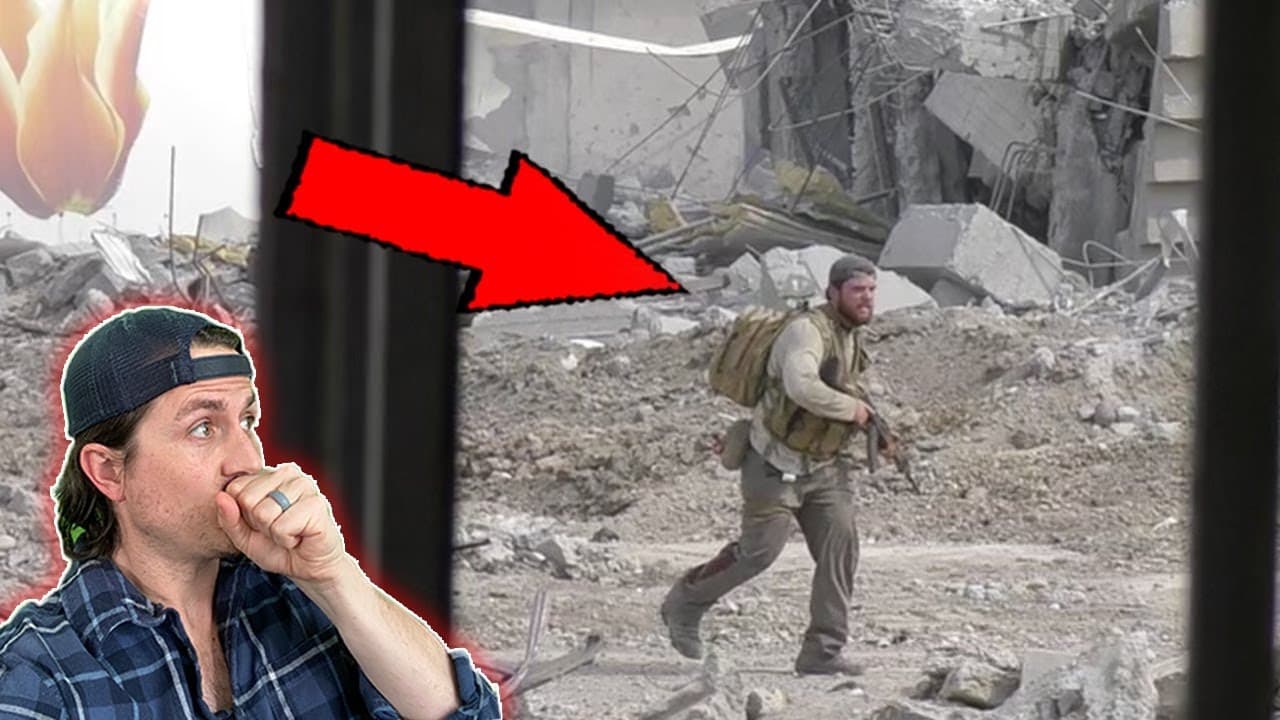
How did a Navy SEAL go to Iraq to help civilians?
TL;DR
Ephraim, a former Navy SEAL, leaves active duty to join a civilian humanitarian group in Iraq and aid civilians under ISIS. He travels alone, faces no formal support network, and works with a tough team to reach Mosul and provide relief. The story shows personal sacrifice and frontline aid.
Transcript
today i have something very special to share with you one of my former teammates from back when i was a navy seal has one of the most insane stories you will ever hear and recently he gave me permission to share it but before we get into his story if you're a fan of the strange dark and mysterious delivered in story format then you come to the righ... Read More
Key Insights
- Ephraim leaves active duty to pursue humanitarian work in Iraq.
- The rescue effort is led by a civilian group with no official military protection.
- Volunteers face high risks without the backing of formal support systems.
- Civilians in conflict zones rely on small, dedicated teams for aid.
- The story connects a past mentorship moment to a future act of courage.
- Mosul serves as a focal point for civilian relief under ISIS pressure.
- The narrator underscores the human impact of war on noncombatants.
- The work relies on personal networks and committed volunteers rather than institutions.
- More videos from this channel:
- More from this channel: MrBallen
Install to Summarize YouTube Videos and Get Transcripts
Explore YouTube Video Summarizer or Get YouTube Transcript Extractor
Questions & Answers
Q: How did Ephraim transition from the Navy SEALs to civilian aid work in Iraq
Ephraim made the transition after his military career and a defining experience with a child suicide bomber related to his time in Afghanistan. He chose to join a civilian volunteer organization in northern Iraq, traveling alone with his passport and a backpack. He understood the lack of official protection and accepted the inherent risks to help civilians amid ISIS control.
Q: What risks did civilian volunteers face in Iraq according to the video
The volunteers faced the danger of ISIS presence and the absence of a formal defense or evacuation plan. They were not protected by military airstrikes or medical teams, meaning injuries or captures would leave them to rely on their own plans for safety, escape, and rescue. The environment demanded vigilance and courage.
Q: Who were the key figures guiding Ephraim in Iraq
Ephraim joined forces with a muscular American named Sky, a former Marine, and a tough leader named Dave, a former Army Special Forces operator. Sky provided familiarity with the area, while Dave led the humanitarian mission, outlining the risks, objectives, and the urgency of assisting civilians in conflict zones outside formal military structures.
Q: What location served as the main focus of their mission in Iraq
The mission led the group toward Mosul, a major city that ISIS had captured years earlier. The convoy traversed checkpoints, some run by allies, while others posed potential threats. The aim was to reach civilians in need and provide humanitarian aid while navigating a volatile environment without conventional support.
Q: What motivated Ephraim to pursue humanitarian work after a deployment experience
Ephraim was haunted by the image of two young girls used as potential suicide bombers and the broader impact of civilian suffering in conflict zones. This experience motivated him to seek work that could help innocent civilians, guiding him to contact a civilian volunteer group and travel to Iraq to provide aid despite personal risk.
Q: How does the video describe the risk-reward calculation for civilian aid in war zones
The video emphasizes that civilian aid workers operate with limited protection, lacking the automatic backup of military forces. The reward is measured in lives saved and relief delivered, while the risk includes injury, capture, or death. The narrative stresses personal conviction and the urgency of helping those in danger.
Q: What is the role of the Stronghold Rescue & Relief organization in the story
Stronghold Rescue & Relief is presented as Ephraim’s charity and the platform through which humanitarian aid is organized. The video invites donations to support their work, highlights their Mosul rescue video, and underscores the organization’s mission to assist civilians affected by conflict, with the video serving as a call to action.
Q: What theme about civilian humanitarian work is reinforced by the story
The story reinforces the theme that individual courage and personal networks can mobilize effective humanitarian aid in dangerous environments, even without formal military protection. It shows that people with a mission can make a tangible difference for civilians by taking calculated risks and relying on trusted partners and communities.
Summary & Key Takeaways
-
Ephraim leaves the Navy SEALs to join a civilian volunteer group in Iraq, signaling a shift from military to humanitarian work. He travels to Mosul with a small team and confronts the dangers of a war zone as a civilian operator. The narrative highlights the ethical tension between mission and risk.
-
The volunteers operate without formal government support, relying on their own logistics, courage, and networks to reach civilians in need. The story emphasizes civilian resilience and the harsh realities of helping in conflict zones under ISIS control.
-
The account links a past act of empathy at the pool deck with a bold later decision to aid civilians in Iraq, illustrating how personal experiences can drive courageous humanitarian action in dangerous environments.
Read in Other Languages (beta)
Share This Summary 📚
Summarize YouTube Videos and Get Video Transcripts with 1-Click
Try YouTube Summary with ChatGPT & Claude or YouTube Transcript Generator
Explore More Summaries from MrBallen 📚



Summarize YouTube Videos and Get Video Transcripts with 1-Click
Try YouTube Summary with ChatGPT & Claude or YouTube Transcript Generator