What caused two sudden cardiac arrests at a surgery center?
TL;DR
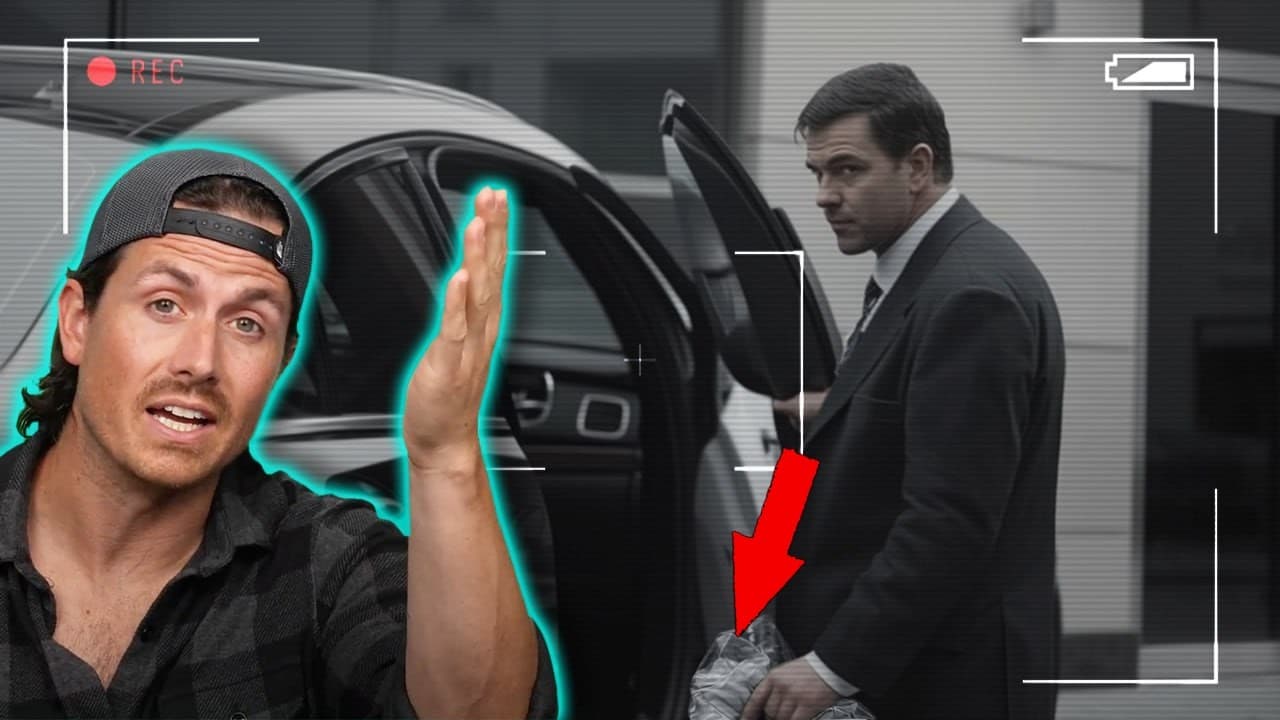
Two unexplained sudden cardiac arrests occur after routine procedures at a Surgicare center, triggering a staff-wide investigation. The team rules out patient risk factors and equipment failures before a disturbing pattern emerges and a death intensifies the search for the root cause, highlighting the importance of vigilance and patient safety.
Transcript
today's video is about a medical mystery that ultimately gets solved when somebody uncovers some very unsettling security footage that we will play at the end of this video but before we get into that story if you're a fan of the strange dark and mysterious delivered in story format then you've come to the right place because that's all we do and w... Read More
Key Insights
- Two patients suffered unexplained cardiac arrests after routine liposuction and similar procedures.
- Staff initially considered drug recalls and equipment malfunction as potential causes.
- A staff meeting was held to discuss the incidents and agree on heightened vigilance.
- The administrator checked the drug cabinet against recall lists as part of the investigation.
- A hospital death of Dr Melanie Caspar intensified concern and investigation.
- The timeline shows back to back emergencies within a short span, suggesting a pattern.
- Investigators sought a common thread between cases, including room, procedure, or staff involved.
- Ultimately the events triggered a deeper probe into safety procedures and monitoring in the center.
- More videos from this channel:
- More from this channel: MrBallen
Install to Summarize YouTube Videos and Get Transcripts
Explore YouTube Video Summarizer or Get YouTube Transcript Extractor
Questions & Answers
Q: What initially sparked the investigation into the two cardiac arrests?
The two unexplained cardiac arrests occurring after routine procedures sparked the investigation. The administrator and medical staff noted the rarity of such events and looked for common factors, considering patient risk factors, allergies, procedure type, and room assignments. The goal was to identify a shared cause that could explain both emergencies rather than accepting them as coincidences.
Q: What steps did Ashley Burks take at the start of the inquiry?
Ashley Burks started by reviewing patient files for allergies and risk factors and then inspected equipment for malfunctions. When those lines of inquiry failed to yield a cause, she proposed testing all equipment and monitoring systems while advising staff to stay vigilant for potential issues. Her method emphasized caution and data-driven assessment.
Q: How did the staff respond to the first cardiac arrest before the second occurred?
After the first patient went into cardiac arrest, the team followed protocol with chest compressions, oxygen, and blood pressure support. They stabilized the patient and called for paramedics since the Surgicare center could only stabilize emergencies. This rapid response demonstrated adherence to emergency procedures and a commitment to patient safety.
Q: What role did drug recalls play in the early investigation?
Drug recalls were checked as a potential culprit because contaminated or recalled drugs can cause adverse events. The team cross-referenced their cabinet inventory with recall lists to rule out tainted or unsafe medications. Despite a thorough check, no drugs on the recall list were found, so the cause remained unresolved.
Q: Why did Dr Chad Marsden become involved in the investigation?
Dr Chad Marsden became involved because he witnessed the second crisis and noticed a pattern similar to the first. His firsthand experience with the recurring emergencies gave him insights into the timeline and progression of events, reinforcing the need to understand whether a systemic issue or external factor was at play.
Q: What impact did Dr Melanie Caspar’s death have on the investigation?
Dr Melanie Caspar’s death intensified the investigation by underscoring the seriousness of the patient safety concerns. It prompted memorial actions and heightened awareness among staff about potential unknown risks affecting colleagues and patients alike, reinforcing the sense that a broader safety threat might exist beyond isolated incidents.
Q: What challenges did the team face in identifying a root cause?
The challenges included the lack of a clear common thread between cases, differences in patients and procedures, and initial inconclusive findings from risk factor checks and equipment tests. The team needed to consider multiple hypotheses, maintain rigorous testing, and monitor for delayed or subtle indicators that could explain the two cardiac events.
Q: What broader lessons does this story offer about clinical safety?
The story highlights the importance of rigorous root-cause analysis, cross-checking drugs and equipment, and the need for comprehensive safety protocols in clinics. It shows how rapid response to emergencies, systematic investigation, and a willingness to question routine assumptions are essential to prevent future incidents and protect patients.
Summary & Key Takeaways
-
A mystery centers on two unexpected cardiac arrests following routine procedures at a Surgicare center, prompting urgent investigation.
-
Administrators review drug cabinets, equipment, and staff actions to identify a common cause while remaining cautious about potential recalls and safety gaps.
-
The story escalates with a fatality that sharpens focus on systemic safety checks and the need for comprehensive root-cause analysis in clinical settings.
Read in Other Languages (beta)
Share This Summary 📚
Summarize YouTube Videos and Get Video Transcripts with 1-Click
Try YouTube Summary with ChatGPT & Claude or YouTube Transcript Generator
Explore More Summaries from MrBallen 📚





Summarize YouTube Videos and Get Video Transcripts with 1-Click
Try YouTube Summary with ChatGPT & Claude or YouTube Transcript Generator