Why Are Forbidden Places So Deadly to Enter?
TL;DR
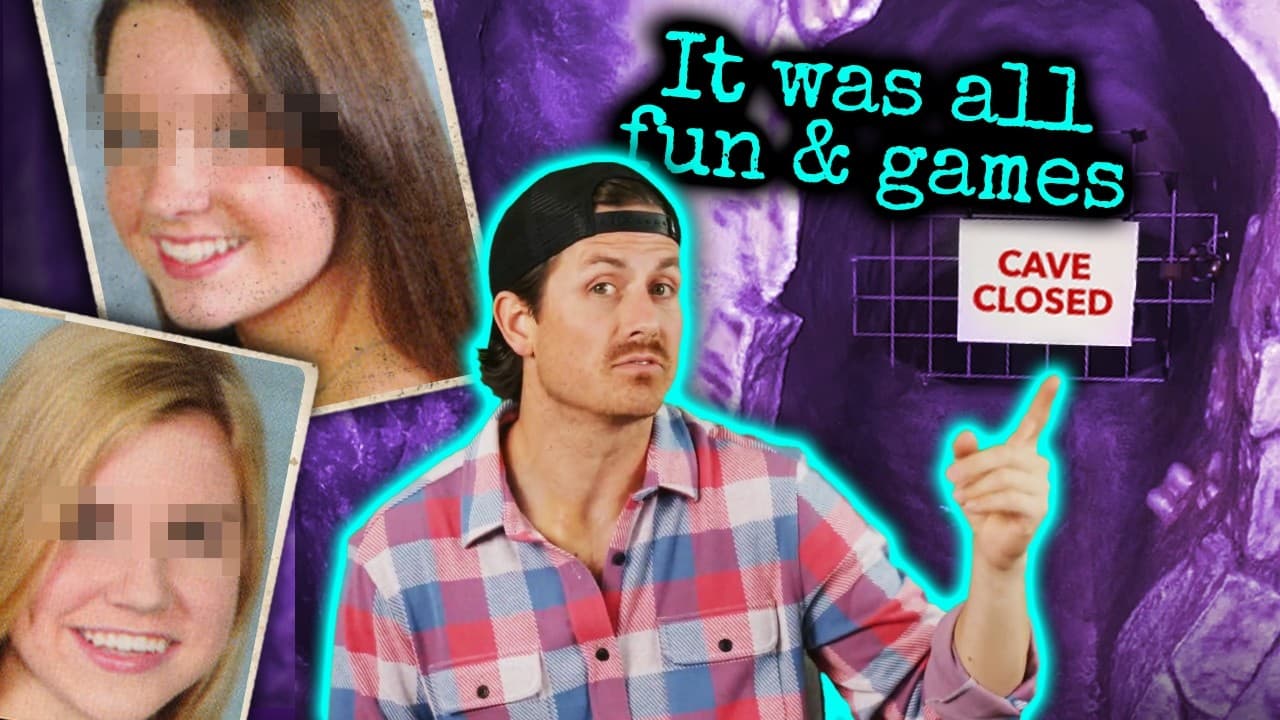
Ignoring restricted-area warnings can expose people to hazards that are invisible or far more powerful than expected. Two students sitting away from active railroad tracks were killed by coal from partially derailed cars, while a teenager retrieving basketballs crossed two barbed-wire fences and entered a clearly marked electrical power grid after yielding to peer pressure and growing confidence.
Transcript
Today we're going to look at three places you can't go and people who went there anyways. But before we get into those stories, if you're a fan of the strange, dark, and mysterious delivered in story format, then you've come to the right place because that's all we do and we upload once a week. So if that's of interest to you, please gift the like ... Read More
Key Insights
- A familiar location is not necessarily a safe location. Rose and Elizabeth had visited the train trestle many times, and its ledge appeared safely separated from the tracks, but a partial derailment created a lethal hazard that ordinary train movement had not revealed.
- The Ellicott City derailment killed two people who were not struck directly by the train. Several cars toppled while passing the trestle, releasing thousands of pounds of coal that struck and completely buried Rose and Elizabeth as they sat on the ledge.
- Distance from railroad tracks did not protect the students from the train's cargo. Their chosen ledge was several feet from the rails and normally allowed trains to pass without affecting visitors, but spilled coal extended the danger beyond the expected path of the train.
- Peer pressure can turn a recognized danger into an accepted risk. Jesus knew his parents had repeatedly warned him never to climb the park fence, yet he agreed after friends dared and encouraged him because he did not want to appear weak or afraid.
- A successful first violation can create misleading confidence. Jesus crossed the first seven-foot fence, avoided its barbed wire, recovered the lost basketball, and received cheers from his friends, then decided he could also cross the nearly identical second fence for another ball.
- The second fence protected an electrical power grid. Warning signs on both fences identified the area as dangerous, prohibited trespassing, and stated that fatalities could occur, showing that the barriers were deliberate safeguards rather than arbitrary limits on access.
- A small reward can lead to a disproportionately severe risk. Jesus had already recovered the basketball needed for the game, but the sight of a second ball motivated him to cross another barrier solely to obtain a backup for a possible future loss.
- Restricted places may contain hazards that are not apparent from outside. The basketball court was next to fenced electrical equipment, while the apparently safe trestle became dangerous through a partial derailment, illustrating why visible calm does not establish actual safety.
Install to Summarize YouTube Videos and Get Transcripts
Explore YouTube Video Summarizer or Get YouTube Transcript Extractor
Questions & Answers
Q: Why did the train trestle seem safe to Rose and Elizabeth?
The trestle seemed safe because it was a well-known local hangout that Rose, Elizabeth, and other young people had visited many times. Its sitting ledge was several feet away from the active railroad tracks, so trains could normally pass without touching anyone seated there. That history of uneventful visits made the location appear safer than it actually was during an unusual derailment.
Q: How were Rose and Elizabeth killed at the train trestle?
Rose and Elizabeth were not hit directly by the passing train. Several train cars partially derailed and toppled onto their sides while moving past the trestle. Some were open cars carrying thousands of pounds of coal, which spilled out, struck the students, and buried them like an avalanche. They had already died by the time rescuers removed them from the coal.
Q: What happened after the Ellicott City train derailment?
Rose and Elizabeth were the only two fatalities from the derailment described in the story. Their families later sued the railroad company and alleged negligence. Each family received a settlement, although the source does not disclose the amounts. The account therefore establishes both the fatal consequences and subsequent legal action without providing further details about the settlement terms.
Q: Why did Jesus Maness climb the first fence at Kinlock Park?
Jesus climbed the first fence to retrieve a basketball that had gone over it during a pickup game. He initially resisted because his parents had warned him since childhood never to cross those fences. His friends turned the request into a dare and encouraged him, however, and he agreed because he did not want them to view him as weak or scared.
Q: Why did Jesus Maness cross the second fence?
After Jesus safely crossed the first fence and returned the lost basketball to his friends, he noticed another basketball beyond a second fence. His successful first crossing and his friends' cheers had increased his confidence. He decided that retrieving the second ball would provide a backup if another ball was lost, so he crossed the second barrier without first telling his friends.
Q: What was behind the two fences at Kinlock Park?
An electrical power grid was inside the second fenced area. Both barriers were about seven feet tall and had barbed wire across their tops. Signs around the fences warned people to stay back, identified the location as dangerous, prohibited trespassing, and stated that fatalities could occur. Jesus entered this protected area when he dropped to the ground after crossing the second fence.
Q: How did peer pressure affect the basketball incident?
Peer pressure changed Jesus's decision even though he already understood that crossing the fence was dangerous and forbidden. One friend suggested retrieving the ball and made the request into a dare, while the others joined in and encouraged him. Jesus worried that refusing would make him appear weak or afraid, so social approval outweighed the warnings he had received from his parents.
Q: What safety lesson connects the trestle and power grid stories?
Both stories show that restricted or hazardous places can remain dangerous even when the immediate risk seems manageable. The trestle had been visited repeatedly without incident, but a partial derailment sent coal beyond the tracks. Jesus crossed one barrier successfully, but that success encouraged him to enter a power grid. Familiarity and confidence did not remove the underlying hazards.
Summary & Key Takeaways
-
Rose and Elizabeth spent their last night before returning to separate colleges on a familiar train trestle in Ellicott City, Maryland. Although they sat several feet from the active tracks, passing cars partially derailed and toppled. Thousands of pounds of coal spilled from open cars, buried them, and caused both deaths.
-
Jesus Maness joined friends for basketball at Kinlock Park in Miami. After an airball crossed a restricted fence, peer pressure persuaded him to retrieve it. Successfully crossing the first seven-foot, barbed-wire fence increased his confidence, so he crossed a second fence to collect another ball and entered a dangerous electrical power grid.
-
The stories show why familiarity, social pressure, and an apparently successful first risk can undermine safety judgment. A location may seem manageable because people have visited it before, yet unusual failures remain possible. Likewise, barriers and warning signs may protect against hazards that are not obvious from the safer side.
Read in Other Languages (beta)
Share This Summary 📚
Summarize YouTube Videos and Get Video Transcripts with 1-Click
Try YouTube Summary with ChatGPT & Claude or YouTube Transcript Generator
Explore More Summaries from MrBallen 📚


Summarize YouTube Videos and Get Video Transcripts with 1-Click
Try YouTube Summary with ChatGPT & Claude or YouTube Transcript Generator