How Should Security Support a Smarter Planet?

TL;DR
Security and privacy controls should be designed into connected systems from the beginning, because stronger data collection and access also create new risks. As utilities, transportation networks, and medical services become more intelligent and interconnected, organizations must protect sensitive information while preserving the efficiency, control, and collaboration these technologies provide.
Transcript
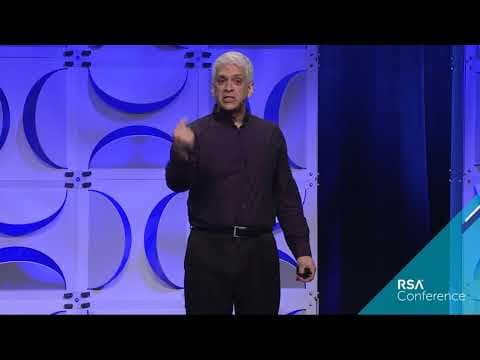
Good afternoon, and thank you for that warm welcome. And thank you for joining me here, uh, this afternoon. You know, at IBM, we have an outstanding team focused on delivering IT security capabilities to our clients all over the world. In fact, it was just two days ago, two nights ago, we were recognized by SC Magazine, who honored us with an award... Read More
Key Insights
- Strong security is linked to strong prosperity because protecting people, infrastructure, and operations creates conditions in which societies and organizations can function effectively. Zollar traces this principle from the protections praised in the Rosetta Stone to the security requirements of modern, digitally connected systems.
- Modern organizations face turbulent change from economic disruptions, cyberattacks, political upheaval, technology advances, natural disasters, partnerships, mergers, and acquisitions. Leaders must make decisions despite uncertainty, while maintaining economic growth and expanding value for stakeholders.
- A smarter planet is built from the large volume of data collected about everyday events and activities. Billions of devices with embedded intelligence can share this information, giving people and organizations new opportunities to understand and control changes in their surrounding environments.
- Software is the engine of innovation in connected environments because it converts collected data into actions that change how industries operate. During the decade beginning in 2010, Zollar expected organizations to make data collection and analysis increasingly actionable for practical improvements.
- Smart grids use sensors, meters, digital controls, and analytical tools to monitor and manage the two-way flow of energy information. They can help utilities optimize performance, prevent or restore outages, and give consumers greater control over energy use, including networked appliances.
- Greater operational efficiency depends on better data, but the most useful information is often highly sensitive. Expanded access to meters and devices can also create new opportunities for criminals and denial-of-service attacks, so efficiency and connectivity must be balanced with protection.
- Privacy and user control must be included at the beginning of transportation-system design. Singapore's integrated payment system supports buses, trains, parking, and congestion charges while generating usage data, requiring controlled access to financial information and detailed records of individual travel habits.
- Remote medical imaging expands access to expertise by allowing professionals to view X-rays, CT scans, and MRIs on laptops and smartphones from different locations. Its designers must protect personal medical data, test results, and images transmitted over public networks and commonly available devices.
Install to Summarize YouTube Videos and Get Transcripts
Explore YouTube Video Summarizer or Get YouTube Transcript Extractor
Questions & Answers
Q: Why should security be built into connected systems from the beginning?
Security and privacy should be included from the beginning because connected systems depend on sensitive data and wider access to devices. Adding intelligence to utilities, transportation, or medical services improves control and efficiency, but it also creates avenues for unauthorized access, privacy violations, denial-of-service attacks, and exposure of financial, logistical, or medical information.
Q: What is IBM's Smarter Planet concept?
IBM's Smarter Planet concept describes an increasingly aware, real-time, interconnected, and intelligent world. Its foundation is the large amount of data collected about events and everyday activities, combined with billions of devices that have built-in intelligence. Sharing and analyzing this information allows organizations to understand changing conditions and take actions that improve how systems operate.
Q: How do smart grids improve electricity management?
Smart grids add digital intelligence to electricity networks through sensors, meters, digital controls, and analytical tools. These capabilities automate, monitor, and control the two-way flow of energy information from the power plant to the plug. Utilities can optimize performance, prevent outages, restore service, and give consumers more control over energy consumption and networked appliances.
Q: What security risks can smart grids create?
Smart grids can expose sensitive consumption data and expand access to meters and other devices installed at consumers' premises. Although that access supports better monitoring and control, it also gives criminals additional potential entry points and creates opportunities for denial-of-service attacks. Privacy, safety, and security controls therefore need to be integral parts of grid design.
Q: How does Singapore use data to improve public transportation?
Singapore's Land Transportation Authority uses an integrated payment option covering buses, trains, parking, and congestion-control charges. In the background, the system analyzes usage information to help develop schedules and route traffic dynamically, with the goal of reducing congestion. Because the data can reveal who travels where, financial access, privacy, and user control require protection.
Q: Why is privacy important in integrated transportation systems?
Integrated transportation systems can collect detailed information about individual travel locations and habits while also processing financial data. That combination makes the information highly sensitive. The transportation authority must control access to both payment records and logistical data, while ensuring that privacy and user control are designed into the service rather than added after deployment.
Q: How can remote medical imaging help doctors?
Remote medical imaging allows healthcare professionals to view X-rays, CT scans, and MRIs through wired and mobile devices, including laptops and smartphones. Doctors who are not physically present can contribute expertise, medical assistance, and insight from other locations. This broader access supports collaboration, but it requires safeguards for personal medical information, images, and test results.
Q: What challenges does turbulent change create for business security?
Turbulent change exposes organizations to economic disruptions, cyberattacks, political upheaval, technology advances, natural disasters, and strategic changes such as partnerships, mergers, and acquisitions. Leaders must make decisions under uncertainty while continuing to support economic growth and stakeholder value. Effective security therefore requires preparation, awareness, adaptability, and risk management across changing business and technology environments.
Summary & Key Takeaways
-
Al Zollar presents security as a foundation for prosperity and resilience during turbulent change. Economic disruptions, cyberattacks, political upheaval, technology advances, natural disasters, mergers, and acquisitions force leaders to make decisions under uncertainty. Organizations must therefore embrace change while managing the risks created by increasingly connected, real-time, and data-driven operations.
-
IBM's Smarter Planet concept describes a world where billions of intelligent devices collect and share data about everyday events. Software turns that information into actionable insight, allowing organizations to understand and control changing environments. This development can transform industries, but it also increases the importance of security, privacy, safety, and responsible access controls.
-
Examples from utilities, transportation, and medical imaging illustrate the benefits and risks of connected systems. Smart grids can optimize energy use, integrated transit payments can improve routing, and remote imaging can extend medical expertise. Each application handles sensitive information, making built-in privacy, authentication, access control, and regulatory compliance essential design requirements.
Read in Other Languages (beta)
Share This Summary 📚
Summarize YouTube Videos and Get Video Transcripts with 1-Click
Try YouTube Summary with ChatGPT & Claude or YouTube Transcript Generator
Explore More Summaries from RSAC Cybersecurity 📚

Summarize YouTube Videos and Get Video Transcripts with 1-Click
Try YouTube Summary with ChatGPT & Claude or YouTube Transcript Generator