How to Reduce Toxins in Food, Water, and Products
TL;DR
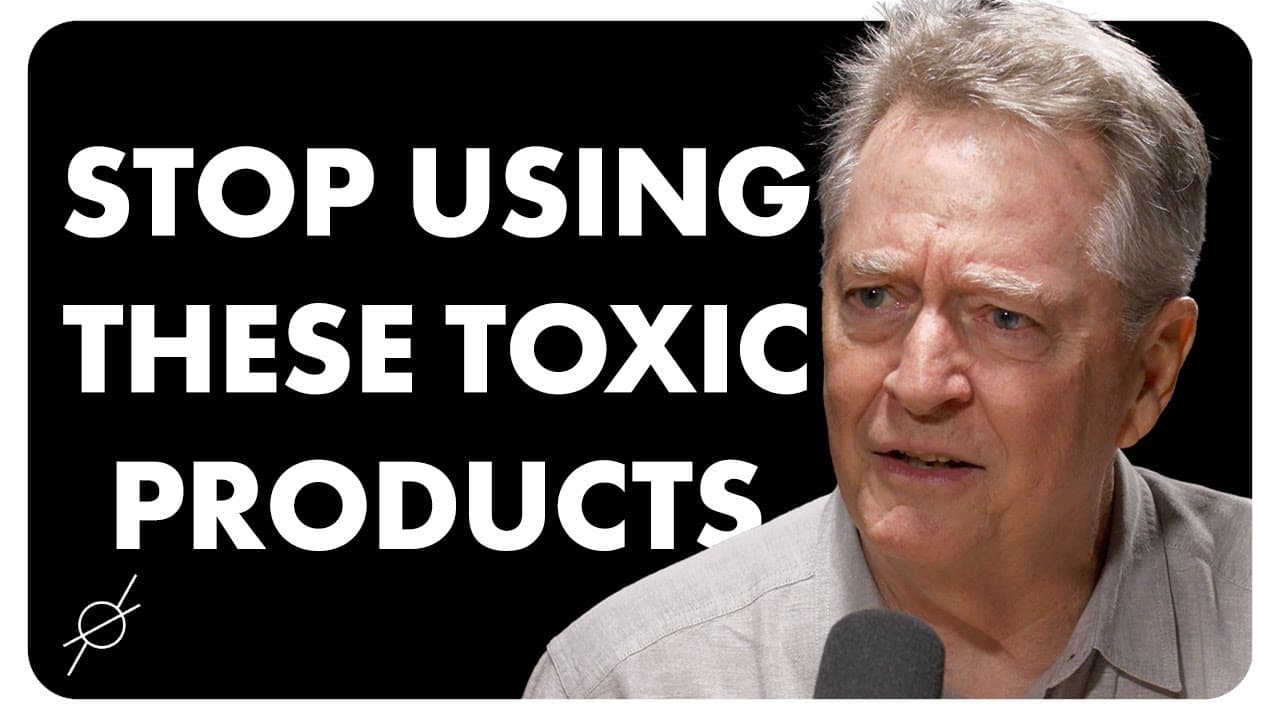
Eat more fruits and vegetables, then use evidence-based consumer guides to reduce exposure to pesticides, PFAS chemicals, and concerning ingredients in personal care products. Ken Cook argues that informed purchasing can shift markets when regulation is stalled, while stronger public institutions remain necessary for protecting drinking water, improving agriculture, and rebuilding public trust.
Transcript
we have a nutrition crisis on our hands we need more fresh food closer to cities new ways of growing food that conserve soil and we shouldn't just keep spending money the way we have been today I'm speaking with Ken Cook the president and co-founder of environmental working group at least 200 million Americans have past chemicals in their finished ... Read More
Key Insights
- The Environmental Working Group is a 30-year-old organization with about 75 staff members, including scientists, lawyers, communication specialists, and database programmers who analyze environmental and consumer safety issues and bring new evidence into policy debates.
- Environmental policymaking has become increasingly paralyzed because regulated industries invested heavily in lobbying, campaign contributions, and other methods of shaping legislation after major environmental laws succeeded during the 1970s, 1980s, and through the 1990 Clean Air Act.
- Political ideology can block environmental action before general elections begin, because opposition to regulation, climate policy, and constraints on agricultural or chemical industries may be embedded in the primary process, limiting what sympathetic elected officials believe they can support.
- Consumer information can produce change without waiting for legislation, because online access to evidence allows individuals to choose products differently and rewards companies that respond to demand for organic food, safer personal care products, and greater ingredient transparency.
- Fruit and vegetable consumption is the first nutritional priority, while pesticide exposure is a secondary concern. Cook explicitly rejects replacing produce with highly processed food simply because consumers are worried about pesticide residues on conventionally grown fruits and vegetables.
- Organic food became a $60 billion industry through consumer demand rather than leadership from established nutrition institutions. Products once found mainly in specialized cooperatives are now sold in major grocery stores, including through retailer-owned organic brands.
- PFAS contamination may affect the finished tap water of at least 200 million Americans at levels the Environmental Working Group considers unsafe. Cook maintains that people can take personal steps to reduce exposure, although the excerpt does not specify those measures.
- Public trust in agencies such as the FDA, USDA, and EPA is essential because consumer guides alone cannot provide comprehensive protection. Cook and Roll describe weakened institutional trust as a crisis that tends to benefit powerful special interests.
Install to Summarize YouTube Videos and Get Transcripts
Explore YouTube Video Summarizer or Get YouTube Transcript Extractor
Questions & Answers
Q: What does the Environmental Working Group do?
The Environmental Working Group conducts science-based analysis of pesticides, drinking water pollutants, air pollution, soil erosion, personal care products, agriculture, and related consumer issues. The organization has about 75 staff members, including scientists, lawyers, communication specialists, and database programmers. It began by bringing new evidence into policy debates and later expanded its work to help consumers make informed marketplace choices.
Q: Why has environmental regulation become politically stalled?
Cook attributes the paralysis to a strong response from industries affected by successful environmental laws. Oil, food, agriculture, chemical, and utility interests invested more money in lobbying, campaign contributions, and policy influence. He also argues that party ideology and the primary election process can discourage Republican candidates from supporting regulation, climate action, or restrictions on powerful agricultural and chemical industries.
Q: How can consumers reduce exposure to harmful chemicals?
Consumers can use evidence-based guides and product ratings to make more informed choices about food, drinking water, and personal care products. Cook says people can dramatically reduce personal chemical exposure, but the excerpt provides no detailed list of specific actions. The broader strategy is to consult credible analysis, favor safer options where available, and support companies that respond transparently to consumer concerns.
Q: Should pesticide concerns stop people from eating fruits and vegetables?
No. Cook says the most important nutritional priority is eating fruits and vegetables, while pesticides are the second issue to consider. Concern about residues should not lead someone to replace an apple with a highly processed product. The recommended approach is to maintain produce consumption while using available pesticide information to make more informed choices when practical.
Q: How has consumer demand changed the organic food market?
Consumer demand helped organic food grow into a $60 billion industry and move from specialized cooperatives into major grocery stores. Large retailers, including Kroger and Safeway, developed their own organic brands. Cook presents this expansion as change created largely outside established nutrition institutions, driven by people seeking different food options and companies responding to that purchasing interest.
Q: How widespread is PFAS contamination in American drinking water?
Cook states that at least 200 million Americans have PFAS chemicals in finished drinking water directly from the tap at levels the Environmental Working Group considers unsafe. The excerpt does not identify particular locations, chemical concentrations, or treatment methods. It presents the estimate as evidence that contamination is widespread and that both personal exposure reduction and broader public protections are needed.
Q: Can consumer choices replace government environmental regulation?
Consumer choices can move markets, encourage companies to offer safer products, and help individuals reduce exposure without waiting for Washington. However, the conversation does not treat purchasing power as a full substitute for regulation. Roll and Cook emphasize that trust in agencies such as the FDA, USDA, and EPA must be rebuilt because effective institutions remain necessary for broad and reliable protection.
Q: Why is public trust in environmental and food agencies important?
Public trust matters because agencies are responsible for protecting people across areas such as food, agriculture, chemicals, and pollution. When citizens lose confidence in the FDA, USDA, or EPA, special interests may gain greater influence and conspiracy ideas can spread more easily. Consumer information remains valuable, but weakened institutions make consistent public protection and collective action more difficult.
Summary & Key Takeaways
-
The Environmental Working Group combines scientific research, legal expertise, communications, and database programming to examine pesticides, drinking water, personal care products, pollution, soil erosion, and agricultural policy. Its original focus was influencing public policy, but prolonged political paralysis pushed the organization toward directly informing and empowering consumers.
-
Cook argues that powerful industries, lobbying organizations, campaign contributions, party ideology, and the primary election process have made major environmental regulation increasingly difficult. Laws such as the Clean Air Act and Endangered Species Act would be hard to pass today, while debates over farm subsidies and food assistance remain dominated by well-funded interests.
-
Consumer demand has nevertheless produced meaningful market changes outside Washington. Organic food grew into a $60 billion industry and became widely available in major grocery stores. Evidence-based guides can similarly help people evaluate pesticides and personal care products, although individual purchasing decisions cannot replace trustworthy regulatory institutions and effective public policy.
Read in Other Languages (beta)
Share This Summary 📚
Summarize YouTube Videos and Get Video Transcripts with 1-Click
Try YouTube Summary with ChatGPT & Claude or YouTube Transcript Generator
Explore More Summaries from Rich Roll 📚





Summarize YouTube Videos and Get Video Transcripts with 1-Click
Try YouTube Summary with ChatGPT & Claude or YouTube Transcript Generator