How Does the Adolescent Brain Develop Over Time?
TL;DR
The adolescent brain continues to develop significantly well into the 20s, with critical changes occurring in the prefrontal cortex responsible for decision-making and self-control. Gray matter volume peaks during early adolescence and later declines due to synaptic pruning, refining neural connections. This developmental phase presents a unique opportunity for education and social development.
Transcript
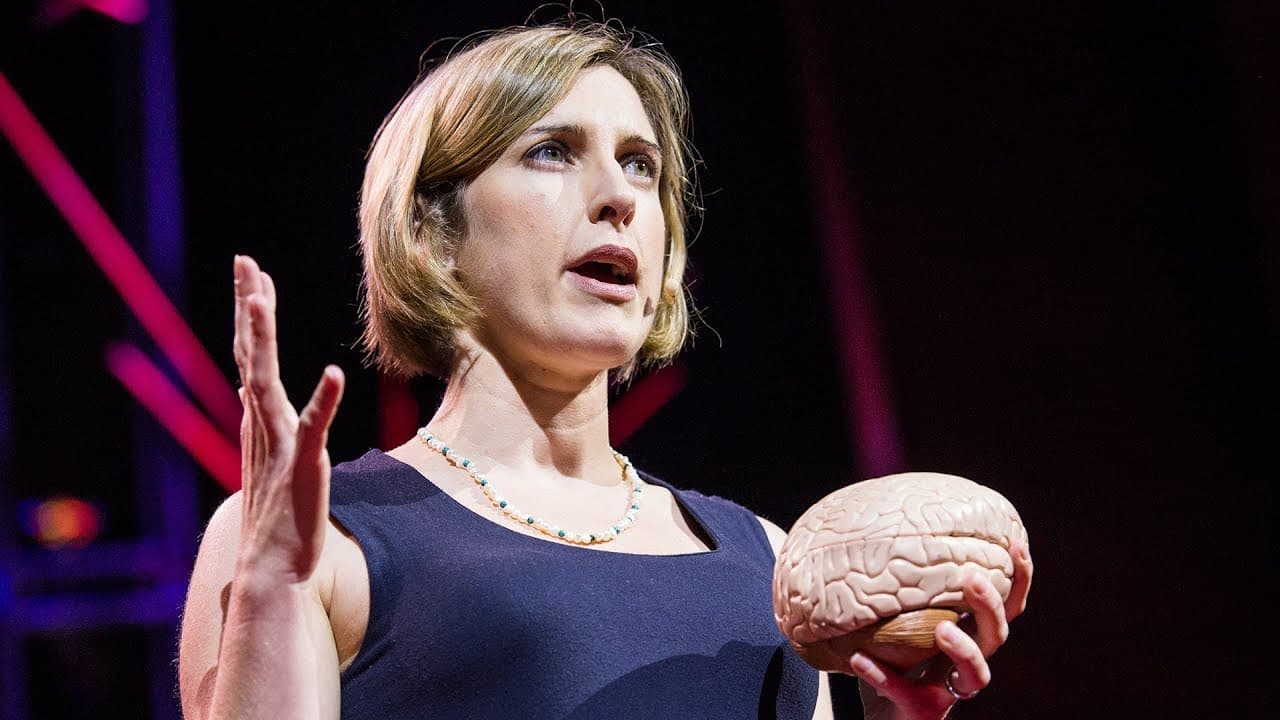
[Applause] 15 years ago it was widely assumed that the vast majority of brain development takes place in the first few years of life back then 15 years ago we didn't have the ability to look inside the living human brain and Development Across the lifespan in the past decade or so mainly due to advances in brain imaging technology such as magnetic ... Read More
Key Insights
- 🧠 Brain imaging technology has revolutionized the study of brain development across the lifespan.
- 🤳 The prefrontal cortex undergoes significant development during adolescence, impacting decision-making, planning, inhibitions, social interaction, and self-awareness.
- 🔇 Gray matter volume in the prefrontal cortex peaks during early adolescence and then declines, corresponding to synaptic pruning.
- 🧑 The medial prefrontal cortex shows increased activity in adolescence during social decision-making compared to adults.
- 🧠 The adolescent brain presents a prime opportunity for education and intervention due to its adaptability and malleability.
- 🫵 Heightened risk-taking, poor impulse control, and self-consciousness in adolescence reflect changes in the brain and should be viewed as opportunities for education and social development.
- 🧠 Brain development in adolescence has implications for education, rehabilitation, and intervention.
Install to Summarize YouTube Videos and Get Transcripts
Explore YouTube Video Summarizer or Get YouTube Transcript Extractor
Questions & Answers
Q: How has brain imaging technology revolutionized our understanding of brain development?
Brain imaging technology, such as MRI, has allowed researchers to study the living human brain of all ages, providing a rich and detailed picture of brain development across the lifespan.
Q: What changes occur in the prefrontal cortex during adolescence?
The prefrontal cortex, involved in decision-making, planning, inhibiting inappropriate behavior, social interaction, and self-awareness, undergoes significant development during adolescence, including changes in gray matter volume and synaptic pruning.
Q: How does brain activity differ between adolescents and adults during social decision-making?
Functional MRI studies have shown that the medial prefrontal cortex, a part of the prefrontal cortex, is more active in adolescence when making social decisions compared to adults, suggesting a developmental difference in cognitive strategies for social decision-making.
Q: What are the implications of adolescent brain development for education and intervention?
The malleability of the adolescent brain presents an excellent opportunity for learning and creativity, and educators should leverage this period to shape and influence brain development through education and social development programs.
Summary & Key Takeaways
-
Advances in brain imaging technology have allowed researchers to track changes in brain structure and function throughout the lifespan.
-
The prefrontal cortex, a brain region responsible for high-level cognitive functions, undergoes dramatic development during adolescence.
-
Gray matter volume in the prefrontal cortex peaks during early adolescence and then declines, corresponding to synaptic pruning, an important process for fine-tuning brain tissue.
-
(Content reviewed on 2026-08-27.)
Read in Other Languages (beta)
Share This Summary 📚
Summarize YouTube Videos and Get Video Transcripts with 1-Click
Try YouTube Summary with ChatGPT & Claude or YouTube Transcript Generator
Explore More Summaries from TED-Ed 📚





Summarize YouTube Videos and Get Video Transcripts with 1-Click
Try YouTube Summary with ChatGPT & Claude or YouTube Transcript Generator