How to Choose the Right Psychotherapy Approach
TL;DR
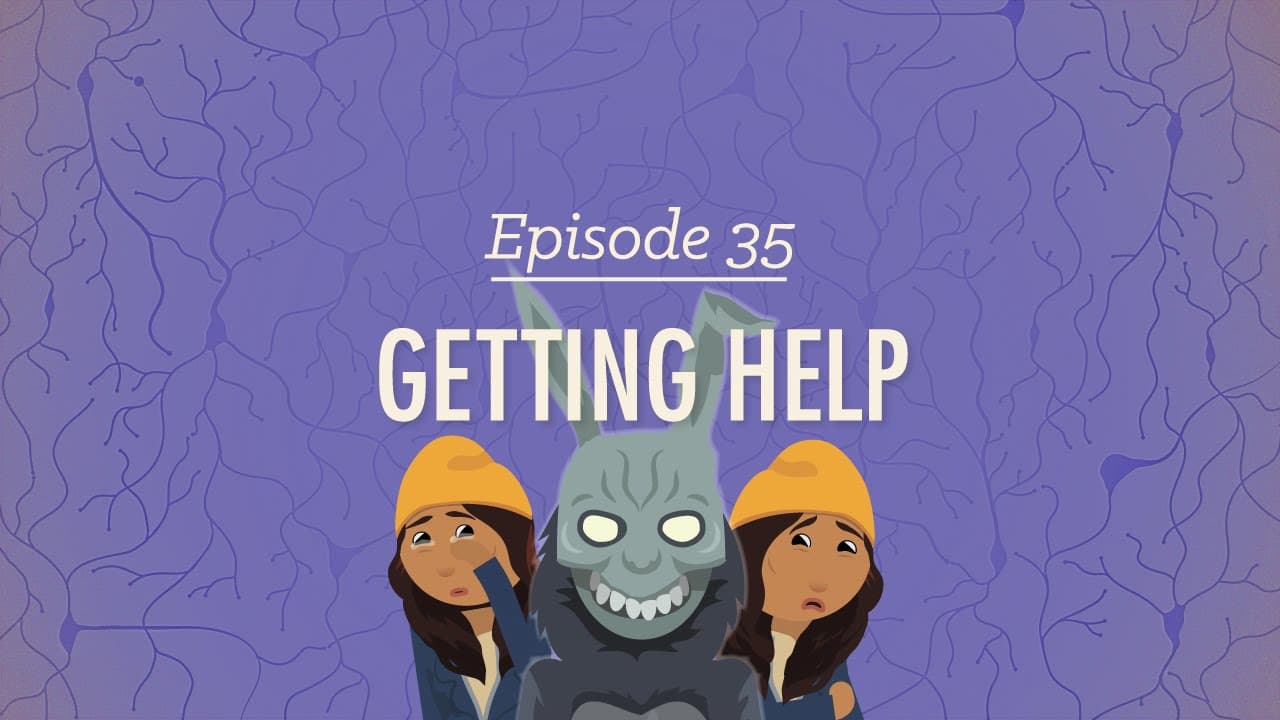
Psychotherapy offers various approaches to help individuals manage mental health issues. Key types include psychodynamic, existential-humanistic, behavioral, and cognitive therapies, each with distinct methods and focuses. Choosing the right therapy depends on individual needs and the specific issues faced, such as anxiety or depression.
Transcript
Bernice has issues, and sure we all do, but hers are getting out of hand. At times she goes through bouts of depression that make it hard for her to even get out of bed. Sometimes she suffers from serious anxiety around things like test taking, flying, lots of things. All of which are brutalizing her self-worth and affecting her performance in work... Read More
Key Insights
- Psychotherapy is a prevalent psychological treatment involving diverse techniques to aid personal growth and overcome issues.
- Freud's psychoanalysis, part of the psychodynamic family, seeks to uncover repressed thoughts through techniques like free association.
- Existential-humanistic therapy, unlike psychodynamic, emphasizes growth and self-acceptance over curing illness.
- Behavior therapy focuses on changing behavior through conditioning, aiming to replace unwanted behaviors with functional ones.
- Cognitive therapy targets changing self-defeating thoughts, helping patients adopt more adaptive thinking patterns.
- Cognitive-behavioral therapy combines cognitive and behavioral techniques to address both thoughts and behaviors.
- Group therapy provides therapeutic benefits through social interaction, reminding clients they are not alone.
- Family therapy views problem behaviors as influenced by family dynamics, working to heal relationships and improve communication.
Install to Summarize YouTube Videos and Get Transcripts
Explore YouTube Video Summarizer or Get YouTube Transcript Extractor
Questions & Answers
Q: How does psychodynamic therapy work?
Psychodynamic therapy, derived from Freud's psychoanalysis, aims to help patients gain insight into their unconscious thoughts and feelings. It involves exploring repressed memories and emotions through techniques like free association and dream analysis. The therapist interprets these to help the patient understand their internal conflicts and motivations, promoting self-awareness and personal growth.
Q: What is the focus of existential-humanistic therapy?
Existential-humanistic therapy emphasizes personal growth and self-acceptance over curing illness. It focuses on the present and future, encouraging clients to make rational choices and achieve their maximum potential. This approach helps individuals confront existential fears and develop a genuine sense of self, often through empathetic and non-judgmental therapeutic environments.
Q: How does behavior therapy address phobias?
Behavior therapy addresses phobias by changing the problematic behavior through conditioning. Techniques like exposure therapy and systematic desensitization are used to gradually expose individuals to anxiety-inducing stimuli in a controlled manner, helping them develop new, more functional responses. This approach focuses on altering behavior directly to reduce fear and anxiety.
Q: What role does cognitive therapy play in managing anxiety?
Cognitive therapy helps manage anxiety by changing self-defeating thought patterns. It involves identifying and challenging negative beliefs and assumptions, replacing them with more adaptive and positive thoughts. By altering the way individuals perceive and interpret situations, cognitive therapy aims to reduce anxiety and improve emotional well-being, often using techniques like Socratic questioning.
Q: How do cognitive-behavioral therapies integrate different approaches?
Cognitive-behavioral therapies integrate cognitive and behavioral approaches to address both thoughts and behaviors. This integration allows therapists to work on changing negative thought patterns while simultaneously modifying problematic behaviors. By combining these methods, cognitive-behavioral therapy aims to provide a comprehensive treatment that addresses multiple aspects of psychological issues.
Q: What are the benefits of group therapy?
Group therapy offers several benefits, including the therapeutic advantages of social interaction. It helps individuals realize they are not alone in their struggles, providing a supportive environment where they can share experiences and learn from others. Group therapy can enhance social skills, improve communication, and foster a sense of community and belonging, contributing to overall mental health improvement.
Q: How does family therapy view problem behaviors?
Family therapy views problem behaviors as being influenced by family dynamics and interactions. It treats the family as a system, working to heal relationships and improve communication among family members. By addressing the relational aspects of individual issues, family therapy aims to create a supportive environment that fosters positive change and enhances the overall functioning of the family unit.
Q: What is the main goal of psychotherapy?
The main goal of psychotherapy is to help individuals manage and overcome psychological issues, promoting personal growth and well-being. It involves various therapeutic approaches tailored to address specific needs, such as reducing anxiety, improving mood, and enhancing self-awareness. Psychotherapy aims to equip individuals with the tools and insights needed to navigate life's challenges and achieve mental health stability.
Summary & Key Takeaways
-
Psychotherapy encompasses various approaches, including psychodynamic, existential-humanistic, behavioral, and cognitive therapies. Each approach offers unique methods and focuses, catering to different psychological needs. Finding the right therapy often depends on the specific issues, such as anxiety or depression, and the individual's personal preferences and goals.
-
Psychodynamic therapy, rooted in Freud's psychoanalysis, explores repressed thoughts and memories to gain self-insight. Existential-humanistic therapy, conversely, focuses on promoting personal growth and self-acceptance, emphasizing the present and future over past experiences.
-
Behavior therapy aims to modify behavior through conditioning, while cognitive therapy seeks to change negative thought patterns. These approaches often combine in cognitive-behavioral therapy, addressing both thoughts and behaviors. Additionally, group and family therapies offer social and relational healing, respectively.
Read in Other Languages (beta)
Share This Summary 📚
Summarize YouTube Videos and Get Video Transcripts with 1-Click
Try YouTube Summary with ChatGPT & Claude or YouTube Transcript Generator
Explore More Summaries from CrashCourse 📚




Summarize YouTube Videos and Get Video Transcripts with 1-Click
Try YouTube Summary with ChatGPT & Claude or YouTube Transcript Generator