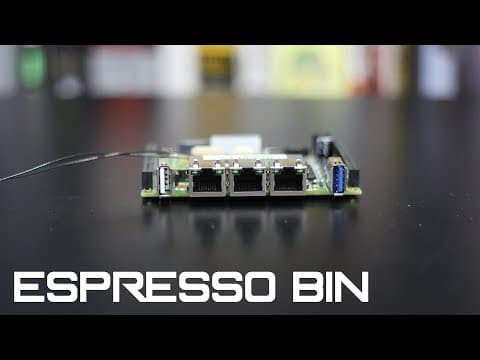
How to Overclock Raspberry Pi Compute Module 4 to 2.3 GHz?

TL;DR
To overclock the Raspberry Pi Compute Module 4 to 2.3 GHz, enable 'force turbo' and set the ARM frequency in the config file. Using a cooling solution is essential to prevent overheating, and you'll see significant performance gains, achieving up to a 44% increase in processing speed from the stock frequency.
Transcript
hey guys what's going on it's don here from nova spirit tech and welcome back to the channel and today we are going to be overclocking the raspberry pi compute module 4 to 2.3 gigahertz so let's get started now before we begin i do want to show you this new t-shirt which is i am hacking and it says till it hurts now my friend just started a new clo... Read More
Key Insights
- ♓ Overclocking the Raspberry Pi Compute Module 4 can yield significant performance gains if done correctly.
- 👤 Enabling turbo boost while overclocking can void warranties, so users should proceed with caution.
- 😎 Cooling solutions such as fans and heatsinks are essential for maintaining system stability during overclocking.
- 🐎 The tutorial suggests testing different clock speeds before settling on a final value to ensure stability.
- 🎮 The video also highlights the importance of proper benchmarking to measure performance changes effectively.
- 🫥 Viewers are encouraged to support small businesses, as showcased through Don’s promotion of his friend’s clothing line.
- 👤 Customization options exist for Raspberry Pi setups, including adjusting GPU frequency based on user needs.
Install to Summarize YouTube Videos and Get Transcripts
Explore YouTube Video Summarizer or Get YouTube Transcript Extractor
Questions & Answers
Q: What is the main topic of the video?
The main topic of the video is overclocking the Raspberry Pi Compute Module 4 to 2.3 GHz, detailing steps, potential risks, performance benchmarks, and additional setup tips.
Q: What should viewers beware of when overclocking their Raspberry Pi?
Viewers should be aware that overclocking, particularly above 2.2 GHz, may require enabling turbo boost, which can void the Raspberry Pi’s warranty. Always monitor temperatures and system stability when overclocking to prevent damage.
Q: How significant was the performance increase after overclocking?
The performance increase after overclocking to 2.3 GHz was notable, with benchmarks showing a 44-57% increase in speed from the original clock speed of 1.5 GHz, showcasing improved application performance and quicker load times.
Q: What cooling methods did Don use during the overclocking process?
Don employed a 120mm fan to blow air directly onto the Raspberry Pi along with a heatsink to maintain lower temperatures. Such cooling solutions are crucial during overclocking to prevent overheating.
Summary & Key Takeaways
-
The video tutorial explores overclocking the Raspberry Pi Compute Module 4 to achieve an impressive frequency of 2.3 GHz.
-
Don introduces a new merchandise collaboration featuring unique T-shirts while promoting a friend’s clothing line, offering a discount code for viewers.
-
After successfully overclocking, the results showed significant performance improvements, allowing for better application speed and responsiveness.
Read in Other Languages (beta)
Share This Summary 📚
Summarize YouTube Videos and Get Video Transcripts with 1-Click
Try YouTube Summary with ChatGPT & Claude or YouTube Transcript Generator
Explore More Summaries from Novaspirit Tech 📚





Summarize YouTube Videos and Get Video Transcripts with 1-Click
Try YouTube Summary with ChatGPT & Claude or YouTube Transcript Generator