How to Invest in Assisted Living for High Returns
TL;DR
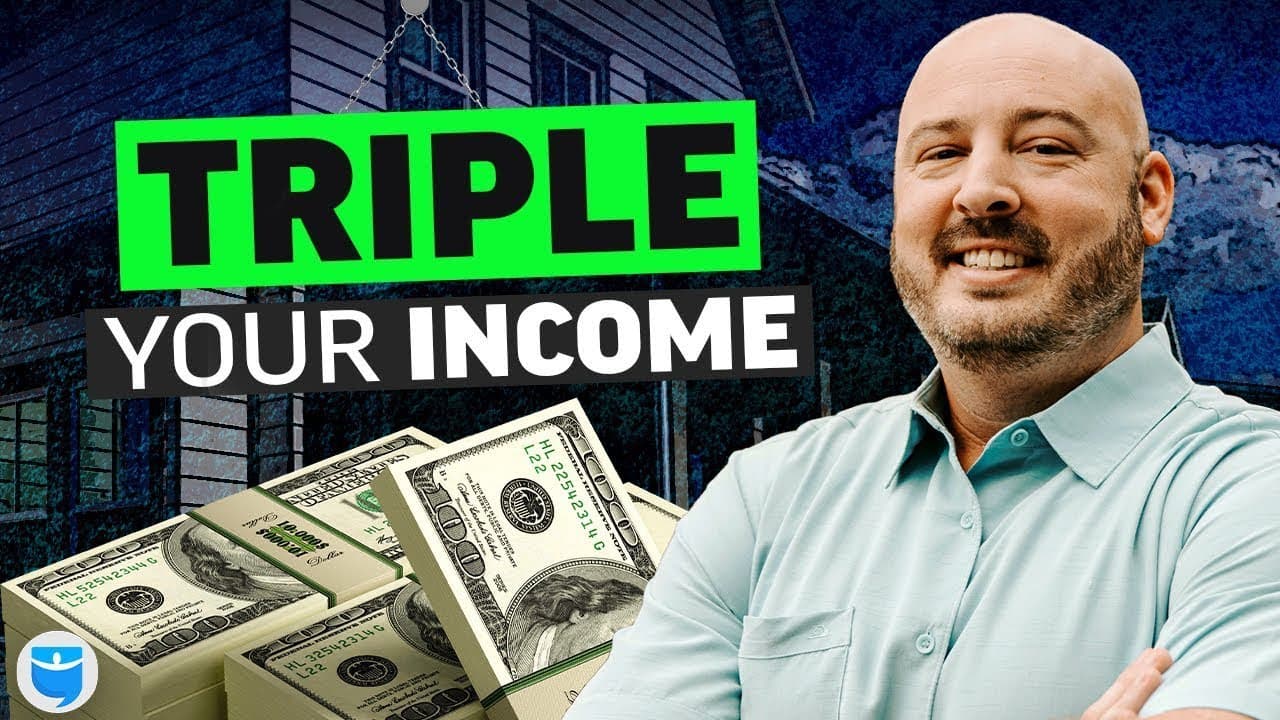
Investing in assisted living can triple your income compared to traditional rentals. Antoinette Munroe transitioned from short-term rentals to assisted living after facing regulatory challenges. She found that assisted living offers higher returns and stability, making it a lucrative alternative. By adapting her strategy, she maintained financial freedom and expanded her real estate portfolio effectively.
Transcript
this is the BiggerPockets podcast show 7 10. if my goal is to keep this property forever and have it produce the max income that it can that's first priority it can never be to oh it's not working out with the city anymore time to sell no I committed to this property we are in a relationship I said I was never letting it go so I had to find somethi... Read More
Key Insights
- Assisted living investments can triple income compared to traditional rentals.
- Regulatory changes in short-term rentals can necessitate strategic pivots.
- Starting with house hacking and short-term rentals can build a strong financial foundation.
- Assisted living requires more management but offers higher financial returns.
- Licensing and regulations protect assisted living facilities, providing stability.
- Building a diverse real estate portfolio can protect against market shifts.
- Networking and leveraging relationships can provide financial solutions in crises.
- Providing high-quality living environments can enhance client satisfaction and business success.
Install to Summarize YouTube Videos and Get Transcripts
Explore YouTube Video Summarizer or Get YouTube Transcript Extractor
Questions & Answers
Q: How can investing in assisted living increase my income?
Investing in assisted living can significantly increase your income, potentially tripling it compared to traditional rentals. This is due to the higher fees associated with providing care services and the ability to house multiple clients in one property. Assisted living facilities often have more stable income streams as they are less affected by market fluctuations compared to short-term rentals.
Q: What challenges did Antoinette face with short-term rentals?
Antoinette faced regulatory challenges with her short-term rentals in Orlando, where new laws required owners to live on-site and be present during guest stays. These regulations made it difficult to scale her business and maintain the desired level of freedom, prompting her to seek alternative investment strategies.
Q: Why is assisted living considered a stable investment?
Assisted living is considered a stable investment because it is protected by regulations that ensure its operation, unlike short-term rentals which face frequent regulatory changes. Additionally, the demand for assisted living services is consistently high due to the aging population, providing a reliable income stream.
Q: What steps did Antoinette take to transition to assisted living?
Antoinette transitioned to assisted living by first learning about the industry through a friend and understanding the financial benefits. She then went through the necessary licensing and regulatory processes, adapted her properties to meet the requirements, and hired staff to manage the facilities, ensuring compliance and quality care.
Q: How did Antoinette fund her real estate investments?
Antoinette funded her real estate investments through a combination of personal savings, refinancing properties, and leveraging relationships for financial support. She also utilized strategies like house hacking and the BRRRR method to maximize her investment potential and reinvest profits into expanding her portfolio.
Q: What is the BRRRR strategy mentioned by Antoinette?
The BRRRR strategy stands for Buy, Rehab, Rent, Refinance, and Repeat. It involves purchasing a property, renovating it to increase its value, renting it out to generate income, refinancing to pull out equity, and then using those funds to purchase additional properties. This method helps investors scale their portfolios efficiently.
Q: How does Antoinette ensure quality in her assisted living facilities?
Antoinette ensures quality in her assisted living facilities by designing them with high standards, similar to luxury Airbnbs. She incorporates features like organic gardens and high-quality furnishings to enhance the living experience. Additionally, she hires qualified staff to manage day-to-day operations and provide excellent care to residents.
Q: What advice does Antoinette offer to aspiring real estate investors?
Antoinette advises aspiring real estate investors to take action and not be deterred by a lack of experience or knowledge. She emphasizes the importance of learning through doing, leveraging available resources like podcasts and online forums, and being adaptable to changes in the market. Building a strong network and seeking diverse investment opportunities are also key to success.
Summary & Key Takeaways
-
Antoinette Munroe transitioned from short-term rentals to assisted living after facing regulatory challenges. She found that assisted living offers higher returns and stability, making it a lucrative alternative. By adapting her strategy, she maintained financial freedom and expanded her real estate portfolio effectively.
-
Starting with house hacking and short-term rentals, Antoinette built a strong financial foundation. Regulatory changes in Orlando prompted her to explore assisted living, where she discovered the potential for significantly higher income and long-term stability.
-
Assisted living requires more management but offers higher financial returns. Licensing and regulations protect these facilities, providing a more stable investment opportunity compared to short-term rentals. Antoinette's strategic pivot showcases the importance of adaptability in real estate investing.
Read in Other Languages (beta)
Share This Summary 📚
Summarize YouTube Videos and Get Video Transcripts with 1-Click
Try YouTube Summary with ChatGPT & Claude or YouTube Transcript Generator
Explore More Summaries from BiggerPockets 📚



Summarize YouTube Videos and Get Video Transcripts with 1-Click
Try YouTube Summary with ChatGPT & Claude or YouTube Transcript Generator