Why Barbara Friedberg Prefers Not to Retire Early

TL;DR
Barbara Friedberg believes that financial independence is more about security than retiring early. She emphasizes the importance of consistent saving, smart investing, and finding happiness in less, rather than coveting material possessions. Her investment strategy favors passive index funds for long-term success, advocating for a diversified approach while recognizing that individuals should focus on what truly matters to them.
Transcript
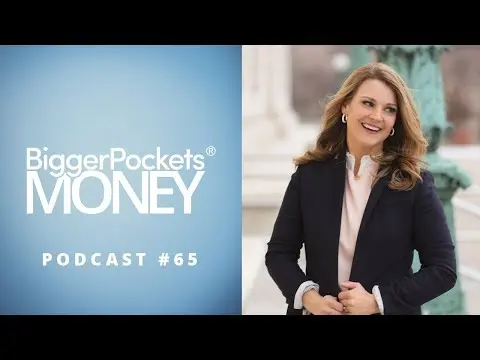
welcome to the bigger pockets money podcast show number 185 where we interview barbara friedberg and get investment advice from a rock star investor hello hello hello my name is mindy jensen and with me as always is my suitcases full of cash co-hosts scott trench do you think that these creative intros add to the show mindy or do you think that the... Read More
Key Insights
- Barbara Friedberg's financial wisdom stems from her upbringing during the Great Depression, where money was openly discussed and valued.
- She emphasizes the importance of starting early, saving consistently, and investing in retirement accounts to build long-term wealth.
- Barbara transitioned from active stock picking to passive index fund investing after understanding the statistical advantage of the latter.
- She advises against trying to time the market and suggests a diversified portfolio approach to mitigate risk.
- Barbara highlights the significance of financial security and recommends having a substantial cash reserve for emergencies.
- She critiques the FIRE movement for being indulgent and stresses the importance of financial independence over early retirement.
- Barbara's investment strategy includes a mix of U.S. and international index funds, with a focus on diversification across asset classes.
- She advocates for a mindset shift towards valuing less and finding happiness without excessive material desires.
Install to Summarize YouTube Videos and Get Transcripts
Explore YouTube Video Summarizer or Get YouTube Transcript Extractor
Questions & Answers
Q: What influenced Barbara Friedberg's financial habits?
Barbara's financial habits were influenced by her upbringing during the Great Depression, where money was openly discussed and valued. Her parents instilled in her the importance of being frugal, saving consistently, and making smart financial decisions. This early exposure shaped her approach to money and investing.
Q: Why does Barbara prefer passive index funds over individual stocks?
Barbara prefers passive index funds because they offer a statistically higher chance of achieving market returns compared to active stock picking. She realized that only a small percentage of active managers consistently outperform the market, and the probabilities favor a diversified, index-based approach. This strategy reduces risk and simplifies investing.
Q: How does Barbara view the FIRE movement?
Barbara critiques the FIRE (Financial Independence, Retire Early) movement as indulgent, noting that it often appeals to high earners with fancy jobs. She believes the focus should be on financial independence, which provides security and options, rather than solely aiming for early retirement. She values meaningful work and financial stability.
Q: What is Barbara's approach to financial security?
Barbara emphasizes the importance of having a substantial cash reserve for emergencies, suggesting at least two years of living expenses. She believes financial security provides peace of mind and allows for better decision-making. Her approach includes a diversified investment portfolio and a focus on long-term wealth building.
Q: How does Barbara suggest young people invest during an overvalued market?
Barbara advises young investors to focus on consistent saving and long-term investing, even in an overvalued market. She recommends a diversified portfolio of index funds and cautions against market timing. She stresses the importance of financial discipline and understanding that wealth is built over time, not through quick gambles.
Q: What role does mindset play in Barbara's financial philosophy?
Mindset is crucial in Barbara's financial philosophy. She believes that wanting less and finding happiness without excessive material desires leads to better financial decisions. She encourages individuals to prioritize what's important to them and avoid coveting others' possessions, which can lead to unnecessary spending and financial stress.
Q: What are some key components of Barbara's investment portfolio?
Barbara's investment portfolio includes a mix of U.S. and international index funds, with a focus on diversification across asset classes. She holds both stock and bond funds, including municipal bonds and real estate investment trusts (REITs). Her strategy emphasizes a balanced approach to mitigate risk and achieve steady growth.
Q: How does Barbara suggest handling financial anxiety?
Barbara acknowledges that financial anxiety can persist even with a secure financial position. She suggests focusing on what can be controlled, such as maintaining a diversified portfolio and having a solid cash reserve. She also emphasizes the importance of accepting uncertainty and training the mind to manage anxiety around financial matters.
Summary & Key Takeaways
-
Barbara Friedberg shares her journey from growing up with Depression-era parents to becoming a savvy investor and financial planner. Her early exposure to money discussions shaped her financial habits.
-
She highlights the importance of consistent saving and investing, favoring passive index funds over individual stock picks for long-term wealth building. Her approach is rooted in diversification and risk management.
-
Barbara offers insights into her investment portfolio and emphasizes the need for financial security. She critiques the FIRE movement and advocates for financial independence as a means to pursue meaningful work.
Read in Other Languages (beta)
Share This Summary 📚
Summarize YouTube Videos and Get Video Transcripts with 1-Click
Try YouTube Summary with ChatGPT & Claude or YouTube Transcript Generator
Explore More Summaries from BiggerPockets 📚



Summarize YouTube Videos and Get Video Transcripts with 1-Click
Try YouTube Summary with ChatGPT & Claude or YouTube Transcript Generator