How to survive a planet killer comet with family
TL;DR
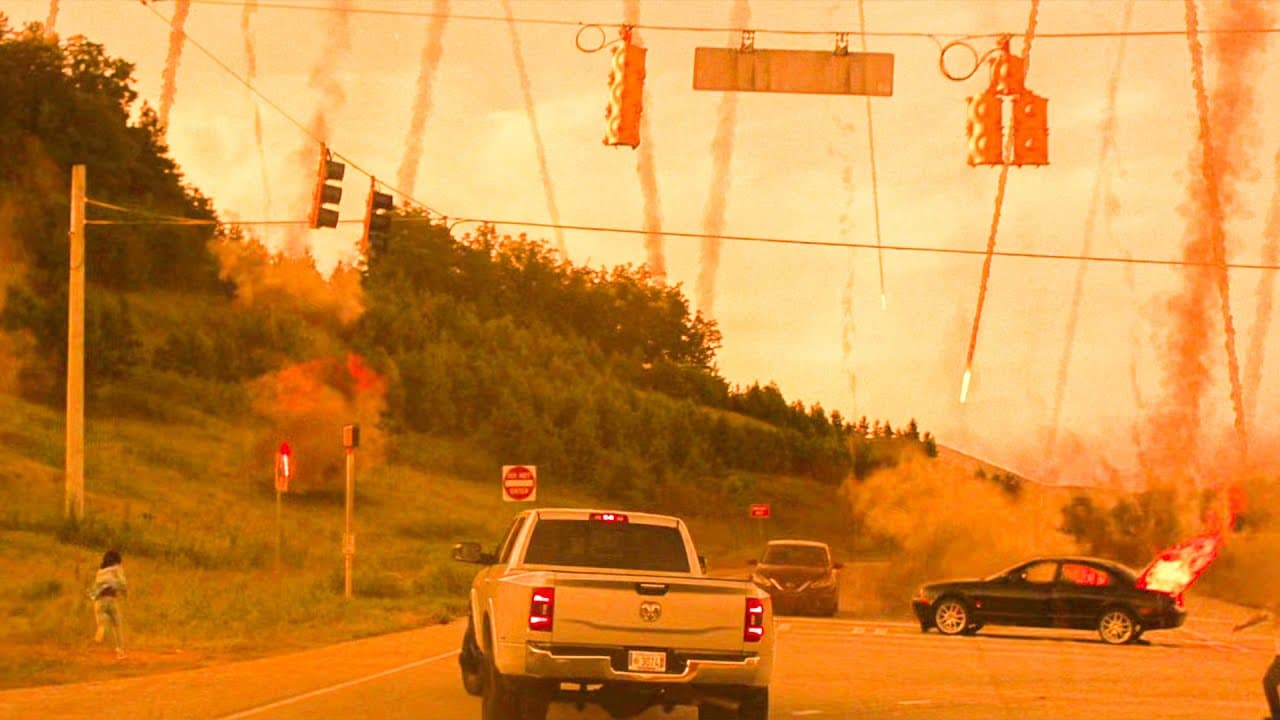
A family and others scramble to reach emergency shelters as a massive comet fragments threatens Earth. They face looting, military checkpoints, insulin shortages, and dangerous crossings, finally reaching a Greenland shelter as the planet killer nears impact. The film blends high stakes disaster action with intimate family drama.
Transcript
welcome back to movie recaps today i will show you a disaster movie from 2020 titled greenland spoilers ahead watch out and take care we see construction work being done on top of a massive building two men are talking about some delays the one that's frustrated with the situation is the boss john moments later he's driving his car listening to the... Read More
Key Insights
- The key to survival in the film is rapid relocation to designated shelters when alerted by presidential messages.
- The diabetic child’s insulin needs create a critical vulnerability that complicates evacuation and transport to safe locations.
- Shelter access is selectively granted based on criteria; some characters are denied entry due to medical conditions, which drives the family’s desperate search.
- Disaster response in the story revolves around a military organized shelter system with wristbands and coded access.
- A cross-border escape route emerges as the family heads toward Canada and Greenland as the implied shelter network.
- Family bonds are tested by separations, dangerous encounters, and the risk of losing loved ones in the chaos.
- The comet threat is presented as a two-stage danger: initial impacts causing shockwaves and a final planet killer impact that seals the fate of a large portion of life.
- The film blends global catastrophe with personal triumph, showing how ordinary people take extraordinary measures to stay together.
Install to Summarize YouTube Videos and Get Transcripts
Explore YouTube Video Summarizer or Get YouTube Transcript Extractor
Questions & Answers
Q: How to survive a planetary disaster to protect your family?
Surviving a planetary disaster starts with listening for official alerts and moving quickly to authorized shelters. The family in the story uses a personal barcode system to gain entry, packs essential items in a single bag, and prioritizes medical needs such as insulin for the diabetic child. Coordination, calm decision making, and following military guidance are key to reaching safety as the threat escalates.
Q: What challenges occur when trying to evacuate with a medical condition?
Medical conditions complicate evacuation because shelter access is restricted for those with chronic illnesses. In the film, insulin for a diabetic child becomes a critical missing item, delaying boarding and forcing the family to seek alternatives. The situation forces difficult choices, including potential separation from loved ones and relying on others for assistance in transit.
Q: What role do shelters and access controls play in the story?
Shelters are depicted as government or military facilities with controlled entry, wristbands, and security screening. Access is limited and strictly enforced, creating tension when people with essential needs are excluded. The wristband system and secured entries drive much of the plot as characters race to reach safety before the planet killer impact.
Q: How does the film portray the impact of the comet on daily life before evacuation?
The film shows escalating news reports, alerts, and a sense of impending doom that disrupts normal life. People react with fear, looting, and urgent travel plans while the family tries to secure insulin and reach the shelter. The threat shifts from distant meteor fragments to an imminent global catastrophe that reshapes everyday behavior.
Q: Why does the family decide to go to Canada and Greenland?
The family seeks the safest possible route to a shelter network believed to be located in Greenland and potentially Canada. This decision is driven by the)// escalating threat, the need for insulin and medical care, and the hope that a remote international shelter system will provide a last refuge as the largest fragment approaches Earth.
Q: What key turning points occur during the journey to safety?
Turning points include the failed attempt to board a plane due to medical exclusion, a deadly crash during a truck voyage, and a determined regrouping of the family to find insulin and reach allies. These moments test resolve, force risky choices, and set up a final push toward Greenland’s shelter network.
Q: What is the film’s ending suggesting about survival after impact?
The ending implies that even after a near annihilation event, small groups can survive by reaching designated shelters and rebuilding some form of life. The nine month later scene hints at a desolated world where survivors endure, reflect on their previous life, and continue to seek a future despite catastrophic loss.
Q: How does the film balance disaster spectacle with personal drama?
Disaster spectacle is used to create urgency, with evacuations, avalanches of debris, and military activity. Personal drama centers on family unity, medical concerns, and moral choices under pressure. The combination keeps the stakes high while anchoring the chaos in human relationships and resilience.
Summary & Key Takeaways
-
The story follows a family that must navigate chaotic evacuations and shelter protocols while a comet fragments threaten global extinction, highlighting the tension between urgent escape and preserving family ties.
-
Throughout the journey the family confronts practical obstacles such as insulin supply, medical needs, and access to shelters, emphasizing human resilience under extreme pressure.
-
The climax centers on a perilous flight and the final push to a Greenland shelter, culminating in a nine month later quiet reveal of a changed world and survival perseverance.
Read in Other Languages (beta)
Share This Summary 📚
Summarize YouTube Videos and Get Video Transcripts with 1-Click
Try YouTube Summary with ChatGPT & Claude or YouTube Transcript Generator
Explore More Summaries from Movie Recaps 📚






Summarize YouTube Videos and Get Video Transcripts with 1-Click
Try YouTube Summary with ChatGPT & Claude or YouTube Transcript Generator