How to survive behind enemy lines after a squad loss
TL;DR
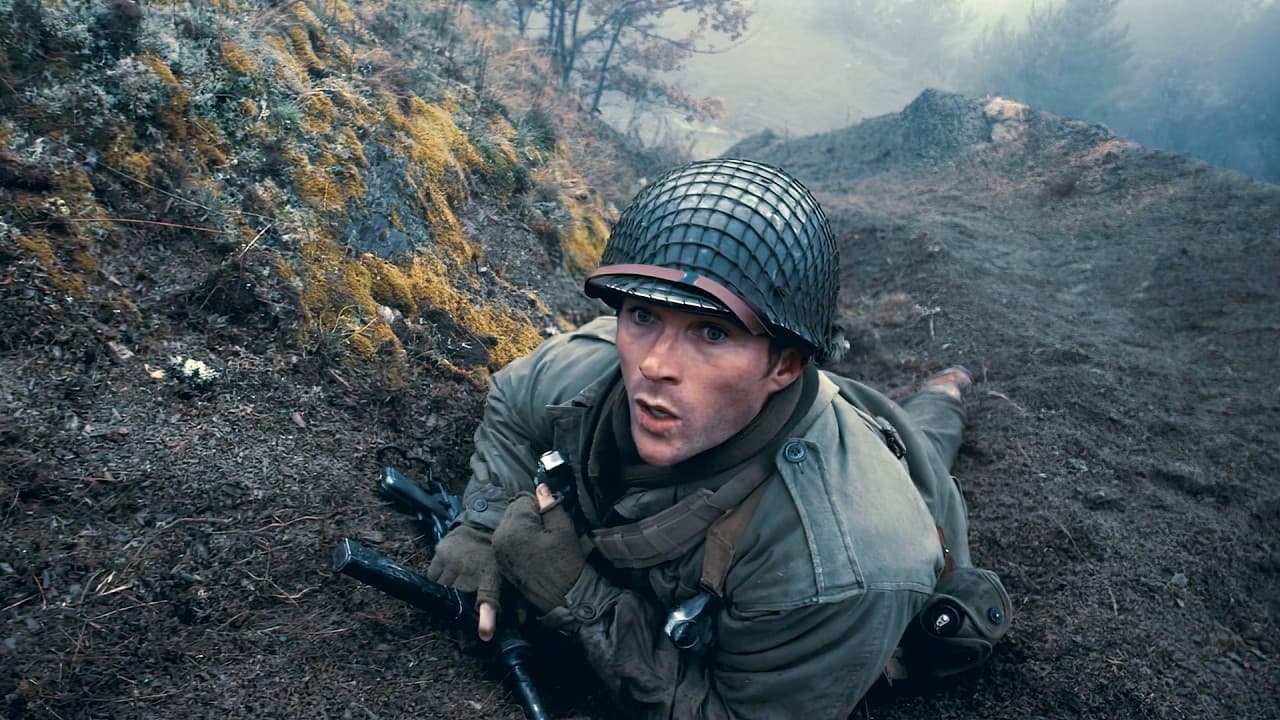
The survivor must walk 30.5 kilometers to reach a rally point after his team is killed, relying on endurance, terrain, and improvised tactics. He endures hunger, captures, and constant danger from German forces, using stealth, a radio, and moments of luck to stay alive until help can arrive. The ordeal shows how determination and quick planning matter when outnumbered and surrounded.
Transcript
In 1944 in Belgium, a truck full of American soldiers is driving through the Arden Forest. The fog is causing visibility problems and the roads are in rough shape. So after a sudden turn, the truck gets stuck in a ditch. A sergeant comes out of the truck to check the issue and notices that the truck won't budge. So he tells the other soldiers to co... Read More
Key Insights
- The survivor continues despite overwhelming loss, demonstrating extreme endurance as a key to survival in hostile territory.
- The mission logic becomes clear only through the survivor’s failures and small wins, showing how improvisation and timely decisions matter in behind enemy lines scenarios.
- The use of Lassie radio and limited supplies illustrates how minimal gear can sustain situational awareness and signal rescue when options are constrained.
- The encounter with enemy forces repeatedly tests the survivor’s judgment, forcing him to balance risk with the likelihood of delay or capture.
- The terrain and weather influence every move, revealing how environmental factors shape survival routes and pacing.
- The story underscores the emotional toll of war, where grief and determination drive continued action even when the odds look insurmountable.
- The progression toward a rally point represents a tactical imperative that anchors the survivor’s choices and movements.
- The final phase emphasizes the peril of relying on chance encounters for rescue, highlighting the need for disciplined navigation and stealth.
Install to Summarize YouTube Videos and Get Transcripts
Explore YouTube Video Summarizer or Get YouTube Transcript Extractor
Questions & Answers
Q: A real search query question about the video (e.g. 'How to...', 'What is...', 'Why does...', 'When should...'). Question 1
What allows a sole survivor to move through enemy territory after an ambush and a destroyed vehicle, and how does the story illustrate the balance between risk and survival in such conditions? The answer lies in endurance, situational awareness, and choosing when to press forward versus seek shelter. The survivor navigates snow, fuel shortages, and hostile patrols by prioritizing the next rally point and using limited resources like a radio to stay connected, while maintaining cover to avoid detection. This combination of persistence and strategic restraint becomes the core of staying alive when outnumbered.
Q: Question 2
How does the survivor cope with missing a team and continuing the mission, according to the narrative? He is driven by a personal resolve to survive and fulfill the mission to deter enemy advances. The experience of losing comrades amplifies the sense of responsibility and shapes every decision, from when to proceed to where to hide. The conflicting pressures of duty and self preservation are balanced by practical actions such as moving to the next checkpoint, using the terrain to stay hidden, and constantly reassessing threat levels.
Q: Question 3
What role do environment and terrain play in the survivor's journey, and how are they shown to influence decisions? The Arden forest landscape, the hills, and the snowy conditions dictate pacing and routes. They create natural cover and obstacles, forcing the survivor to plan routes with minimal visibility and to exploit terrain features for concealment. Environment is not just backdrop but a critical factor that can slow down enemies and extend the window for rescue or escape.
Q: Question 4
How is improvisation depicted in the use of limited gear like the Lassie radio and improvised weapons, and what does this say about resourcefulness in isolation? Improvisation is essential because the survivor cannot rely on supplies or immediate support. The Lassie radio helps maintain connection with base and coordinate with potential rescuers, while improvised actions, such as commandeering a tank when necessary or using flamethrower equipment to eliminate threats, show that resourcefulness can compensate for missing manpower. The story emphasizes adaptability under pressure as a defining factor of survival.
Q: Question 5
What is the significance of the final stretch toward the rally point, and how does it frame the survivor’s arc? The final stretch highlights the turning point from active combat to the prospect of rescue. It frames the survivor's arc as a test of stamina, willpower, and strategic patience. Reaching the rally point under continuous threat demonstrates that perseverance and disciplined navigation can yield a chance at safety even after devastating losses.
Q: Question 6
How does the narrative address moral ambiguity in war and the decisions the survivor makes under duress? It presents the harsh realities of wartime decisions where survival sometimes depends on killing or deception. The survivor must weigh personal ethics against strategic necessity, such as eliminating threats to ensure longer-term safety or to protect potential survivors. The depiction acknowledges the complexity of war where clear moral lines blur in extreme circumstances.
Q: Question 7
What emotional themes run through the survivor's journey and how do they affect actions? Grief for fallen teammates, determination to honor them, and hope for reunion with rescuers drive the action. These emotions fuel persistence, shape risk tolerance, and influence choices about when to fight, hide, or move. The narrative shows how personal loss can sharpen focus and sustain resolve in the face of existential danger.
Q: Question 8
What lessons about survival does the video aim to impart for viewers learning from this story? Viewers are reminded that survival hinges on endurance, situational awareness, and disciplined navigation. The importance of leveraging limited resources, maintaining hope through contact with command, and choosing when to advance versus withdraw are highlighted as universal themes that can apply to any severe ordeal involving isolation and hostile forces.
Summary & Key Takeaways
-
A lone American soldier endures a grueling 30.5 kilometer trek behind enemy lines after his unit is wiped out, facing checkpoints, snipers, and tanks. He uses cunning and stealth to avoid capture while continuing toward a rally point for rescue.
-
The narrative follows a man who loses comrades, experiences brutal violence, and must improvise with limited gear including a Lassie radio and some cigarettes. His drive to survive is tested by hostile forces and harsh weather.
-
The story emphasizes courage, resourcefulness, and endurance as crucial factors in survival when traditional support networks are gone and every step could reveal danger or doom.
Read in Other Languages (beta)
Share This Summary 📚
Summarize YouTube Videos and Get Video Transcripts with 1-Click
Try YouTube Summary with ChatGPT & Claude or YouTube Transcript Generator
Explore More Summaries from Movie Recaps 📚





Summarize YouTube Videos and Get Video Transcripts with 1-Click
Try YouTube Summary with ChatGPT & Claude or YouTube Transcript Generator