How to Nudge People Toward More Secure Choices
TL;DR
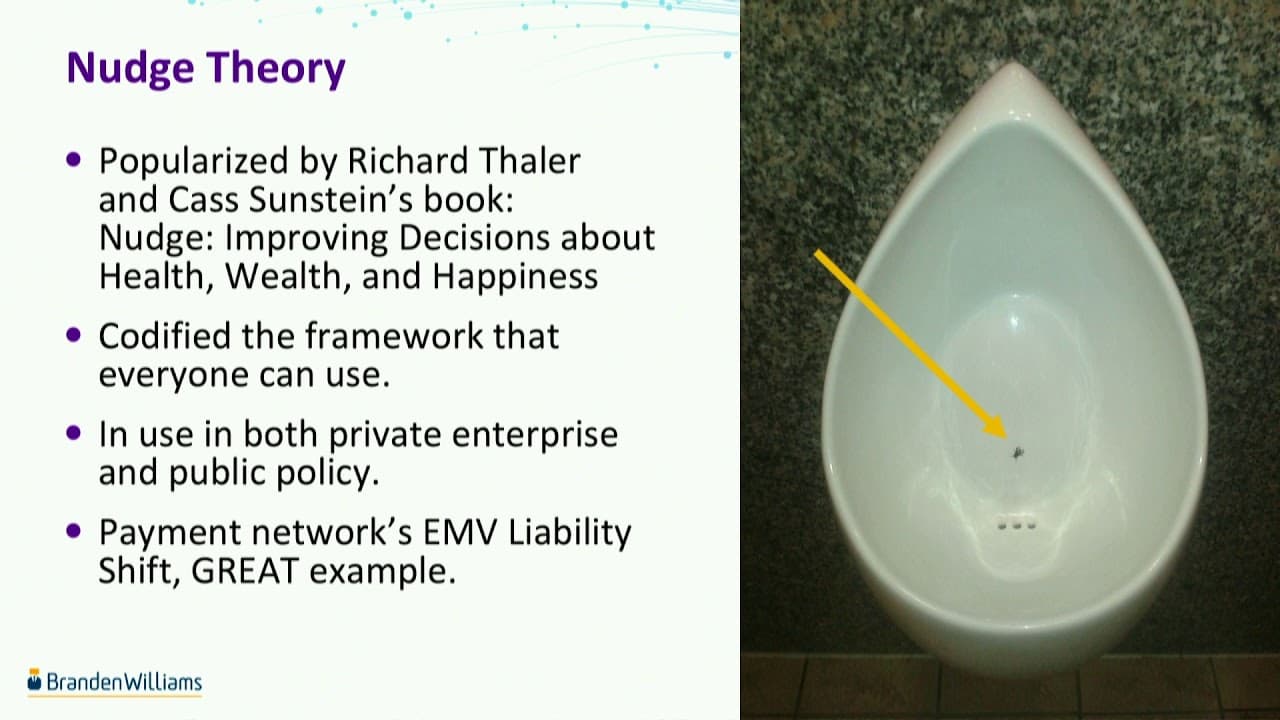
Effective nudges steer people toward a preferred, more secure choice by shaping how options are presented and by using existing cognitive biases, routines, and habits. A useful nudge preserves choice, produces a predictable outcome, and can replace or complement expensive technical controls when organizations need employees or customers to follow a safer pathway.
Transcript
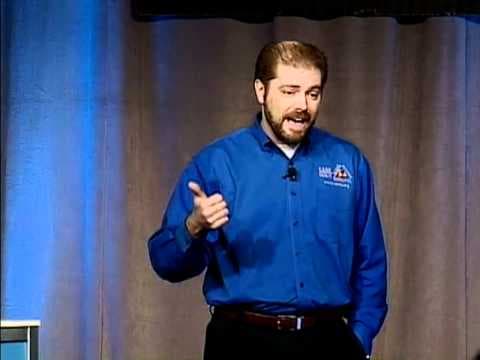
Okay. So welcome everybody. Um, my name is Brandon Williams. I wanna talk to you today, uh, more human elements. So one of the great things about this conference and things we get to do is we get to see tons of great, uh, technical solutions for things. Um, and vendors love to sell you great technical solutions, I think, as we can tell if you go do... Read More
Key Insights
- A nudge is a choice-design technique that subtly encourages a preferred action by using cognitive biases, routines, or habits. It does not necessarily eliminate other options, but it changes the context so that one path becomes easier, more noticeable, or more automatic.
- A successful nudge produces a predictable outcome. If people continue choosing an unintended path, the choice architecture is not working effectively and should be reconsidered rather than treated as successful merely because a behavioral prompt exists.
- The preferred decision is defined by the choice architect. Although nudging is presented as favoring a better or more rational choice, the person or organization designing the options determines what counts as better, creating an important issue of judgment and control.
- Human behavior often relies on automatic responses instead of deliberate analysis. Effective nudges can target this automatic mode by fitting existing habits, such as following a visible arrow or placing car keys with an item that must not be forgotten.
- Retail placement can steer purchasing behavior without removing alternatives. A prominent pallet with an attractive price can increase sales, while positioning candy or fruit at eye level can encourage different choices depending on the organization’s objectives.
- Information can function as a behavioral prompt. Displaying calorie counts may encourage a health-conscious customer to select the lower-calorie meal, even when the customer does not understand precisely which ingredients account for the difference.
- Small environmental changes can support conservation goals. Making restaurant customers request water instead of serving it automatically can reduce the number of full or partially consumed cups left behind during a drought.
- Incentives can nudge organizations as well as individuals. The EMV liability shift illustrates an attempt to encourage issuers and merchants to adopt chip technology despite the cost of replacing cards and functioning payment terminals.
Install to Summarize YouTube Videos and Get Transcripts
Explore YouTube Video Summarizer or Get YouTube Transcript Extractor
Questions & Answers
Q: What is a behavioral nudge?
A behavioral nudge is a technique for arranging choices so that a person is subtly encouraged to select a preferred option. It draws on cognitive biases, routines, and habits rather than necessarily blocking alternatives. The approach comes from behavioral economics research and is associated with libertarian paternalism, which seeks to guide decisions while leaving people able to choose another path.
Q: What makes a nudge effective?
An effective nudge should create a predictable behavioral outcome, favor the choice that the architect considers better or more rational, and make use of an individual’s cognitive biases, routines, or habits. If users repeatedly ignore the preferred path, the nudge has not been constructed effectively, regardless of how clever or noticeable its design may appear.
Q: How can nudges improve cybersecurity behavior?
Nudges can improve cybersecurity behavior by shaping choices so employees are more likely to follow a secure pathway when alternatives are presented. Instead of relying exclusively on large technical controls, an organization can design prompts and decision contexts around existing habits. The goal is to make the secure action feel natural, visible, and easier to select.
Q: How does choice architecture influence decisions?
Choice architecture influences decisions through the way options are organized, displayed, priced, or prompted. A prominent product display, an attractive price, an online chatbot, a bundle, or an arrow on the floor can direct attention and encourage a particular response. The options may remain available, but their presentation changes which choice people are likely to make.
Q: Why do nudges target cognitive biases and habits?
Nudges target cognitive biases and habits because people do not always make choices through careful, rational analysis. Many actions occur automatically through familiar routines or immediate reactions. A choice architect can use those patterns to encourage a preferred behavior, such as prompting someone to follow an arrow without stopping to analyze why the route was designed that way.
Q: What are examples of low-cost behavioral nudges?
Examples include placing a discounted product prominently near a store entrance, displaying calorie counts beside meals, requiring diners to request water during a drought, positioning fruit at eye level, showing an online chatbot during shopping, and placing car keys with something that must be remembered. Each changes the decision environment without requiring a major technical barrier.
Q: What ethical issue arises when designing a nudge?
The central ethical issue is that the choice architect decides which outcome is better or more rational. The user may prefer a different path, yet the design intentionally uses bias, guilt, habit, or subconscious reactions to steer behavior. Evaluating a nudge therefore requires attention to whose interests it serves and how much meaningful choice remains available.
Q: How did the EMV liability shift encourage adoption?
The EMV liability shift is presented as a way payment networks encouraged movement from magnetic-stripe cards to chip technology. Adoption was costly because issuers had to replace cards and merchants had functioning terminals they were reluctant to replace. Changing liability altered organizational incentives, nudging both sides toward adopting the preferred payment technology despite those expenses.
Summary & Key Takeaways
-
Nudging is a method of guiding behavior through choice architecture rather than relying exclusively on large technical controls. Organizations can present options so that users remain free to choose, while subtle cues, defaults, placement, pricing, or other contextual signals make a preferred action more likely.
-
A well-designed nudge has three central characteristics: it produces a predictable outcome, favors the decision selected by the choice architect as better or more rational, and exploits cognitive biases, routines, or habits. Its effectiveness depends on understanding how people actually behave rather than assuming consistently deliberate reasoning.
-
Commercial, public-policy, health, conservation, and security settings can all use nudges. Examples include prominent product displays, chatbot prompts, service bundles, calorie labels, water available only upon request, healthier food placed at eye level, personal reminders, and liability structures that encourage organizations to adopt safer payment technology.
Read in Other Languages (beta)
Share This Summary 📚
Summarize YouTube Videos and Get Video Transcripts with 1-Click
Try YouTube Summary with ChatGPT & Claude or YouTube Transcript Generator
Explore More Summaries from RSAC Cybersecurity 📚


Summarize YouTube Videos and Get Video Transcripts with 1-Click
Try YouTube Summary with ChatGPT & Claude or YouTube Transcript Generator