How to thrive on $30k a year or less with smart budgeting
TL;DR
The core idea is that financial stability on a low income comes from intentional spending and smart housing, transportation, and food choices. Start with the take‑home pay, target fixed expenses, and use strategies like house hacking, roommates, geographic arbitrage, and meal planning to maximize buying power. Small, deliberate changes compound into real financial security.
Transcript
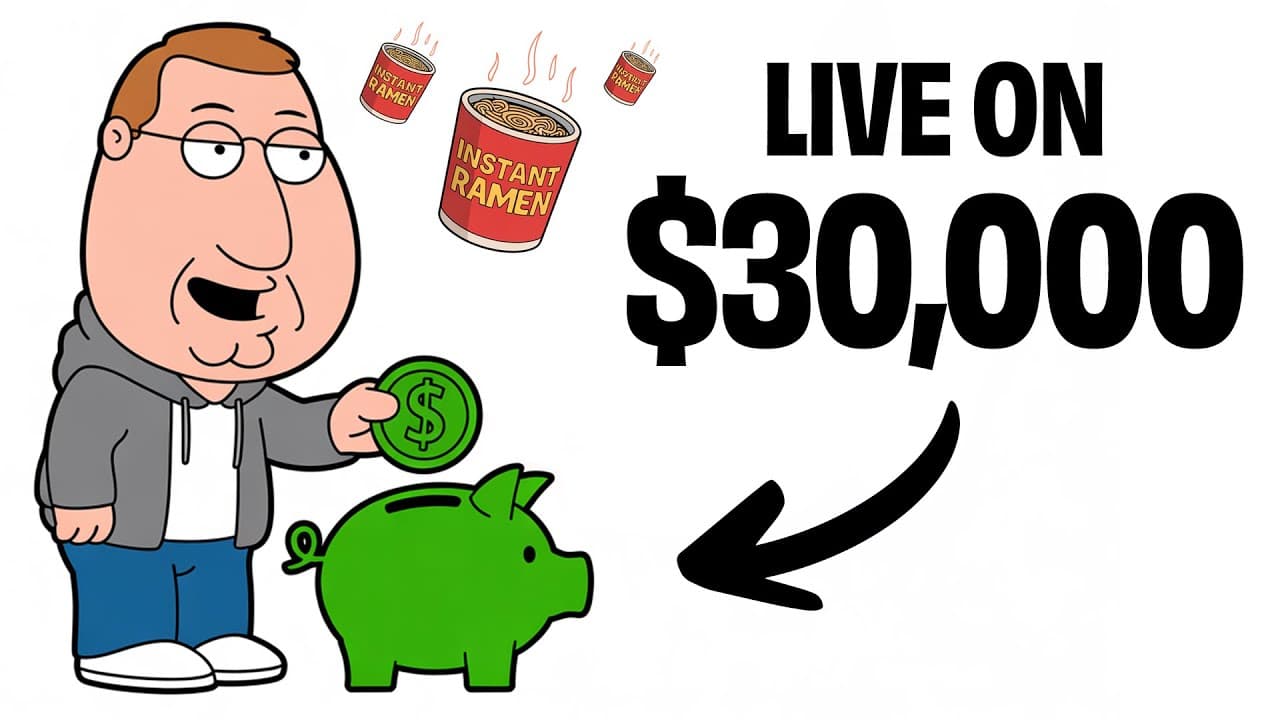
Most people think living on $30,000 or less is impossible in today's economy. They imagine surviving on ramen noodles, wearing the same three shirts for months, and basically living like a college student forever. But what if I told you that's completely wrong? What if I told you that with the right strategies, you could not only survive, but actua... Read More
Key Insights
- Take home pay should drive budgeting, not gross income.
- Housing costs should stay under 30 percent of take home pay for budget flexibility.
- House hacking and roommates are practical ways to reduce housing costs.
- Geographic arbitrage lets you move to cheaper areas to save substantially.
- Transportation is a major expense and should be minimized through cheaper cars or car-free options.
- A reliable, inexpensive used car can dramatically lower monthly expenses when financed within two years.
- Meal planning and simple staples enable nutritious eating at a fraction of restaurant costs.
- A thoughtful grocery strategy, including shopping lists and freezer use, prevents cost creep and waste.
- More videos from this channel:
- More from this channel: Nick Invests
Install to Summarize YouTube Videos and Get Transcripts
Explore YouTube Video Summarizer or Get YouTube Transcript Extractor
Questions & Answers
Q: How can someone calculate a realistic take home pay when budgeting on $30k gross income?
Take home pay can be estimated by applying typical tax withholding and deductions to the gross income, then using that amount as the monthly budget base. For example, if the annual gross is $30,000, the monthly take home might be around $2,000 after taxes. This figure should drive housing, transportation, and food decisions, ensuring expenses do not exceed available funds.
Q: What is the first step to lower fixed expenses on a tight budget?
The first step is to identify all fixed monthly bills such as rent, utilities, insurance, phone, and subscriptions, then evaluate if each is essential or if cheaper alternatives exist. The goal is to minimize recurring costs so that more money remains for emergencies and savings, without sacrificing basic needs.
Q: How does house hacking help someone living on a low income?
House hacking allows you to live in one part of a property while renting out another part to cover most or all of the mortgage and insurance costs. This strategy can dramatically lower monthly housing expenses, effectively increasing disposable income and reducing the barrier to financial stability on a low income.
Q: Is geographic arbitrage a realistic option for low income households?
Geographic arbitrage can be a practical option because moving to a cheaper area may reduce rent and living costs significantly, sometimes enough to offset a small income decrease. This approach increases purchasing power and allows more funds to be allocated toward savings, debt payoff, or emergencies.
Q: What role does transportation play in budgeting on $30k or less per year?
Transportation often consumes a large share of income. Reducing vehicle costs by choosing a cheaper used car, staying within a two-year financed loan, or adopting car-free options can free up money for essentials and savings, which is critical when income is limited.
Q: What is the recommended car financing rule for low income budgeting?
If financing a car is necessary, the recommended rule is to avoid loans longer than 24 months. Shorter loans reduce interest paid and help prevent debt from growing beyond what the budget can handle, preserving funds for savings and emergencies.
Q: How can meal planning contribute to budget stability?
Meal planning helps prevent expensive impulse purchases and reduces restaurant spending. By planning simple, versatile meals using staple ingredients, you can stretch dollars further, cook in batches, and use leftovers, which lowers per‑meal cost and creates predictable weekly expenses.
Q: What grocery shopping habits prevent budget leaks according to the video?
Shop with a strict list, avoid shopping while hungry, and leverage a freezer for bulk purchases and leftovers. These habits reduce impulse buys and waste, ensuring money is spent only on items that serve meals and nutritional needs, thereby sustaining the budget over time.
Summary & Key Takeaways
-
A practical framework is presented to live well on a very limited income by focusing on take home pay and fixed expenses, then using strategic housing and transportation choices to lower costs and increase savings. The approach shows how discipline and planning create a lifestyle that previously seemed unattainable.
-
The video emphasizes housing cost discipline, including keeping housing under 30 percent of take home pay and considering cheaper options such as house hacking or roommates. It also highlights transportation management, suggesting cheaper vehicles or car free living to reduce monthly outflow, and planning meals to cut food costs.
-
A cohesive plan is outlined for budgeting, groceries, and minimal yet effective lifestyle adjustments. Viewers are guided to plan weekly meals, use a freezer for bulk purchases, and shop with lists to avoid impulse buys, ultimately freeing up funds for emergencies and future investments.
Read in Other Languages (beta)
Share This Summary 📚
Summarize YouTube Videos and Get Video Transcripts with 1-Click
Try YouTube Summary with ChatGPT & Claude or YouTube Transcript Generator
Explore More Summaries from Nick Invests 📚




Summarize YouTube Videos and Get Video Transcripts with 1-Click
Try YouTube Summary with ChatGPT & Claude or YouTube Transcript Generator