That Time the BBC Made One of the Creepiest Broadcasts of All Time
TL;DR
Ghostwatch caused widespread panic, convincing viewers it was real.
Transcript
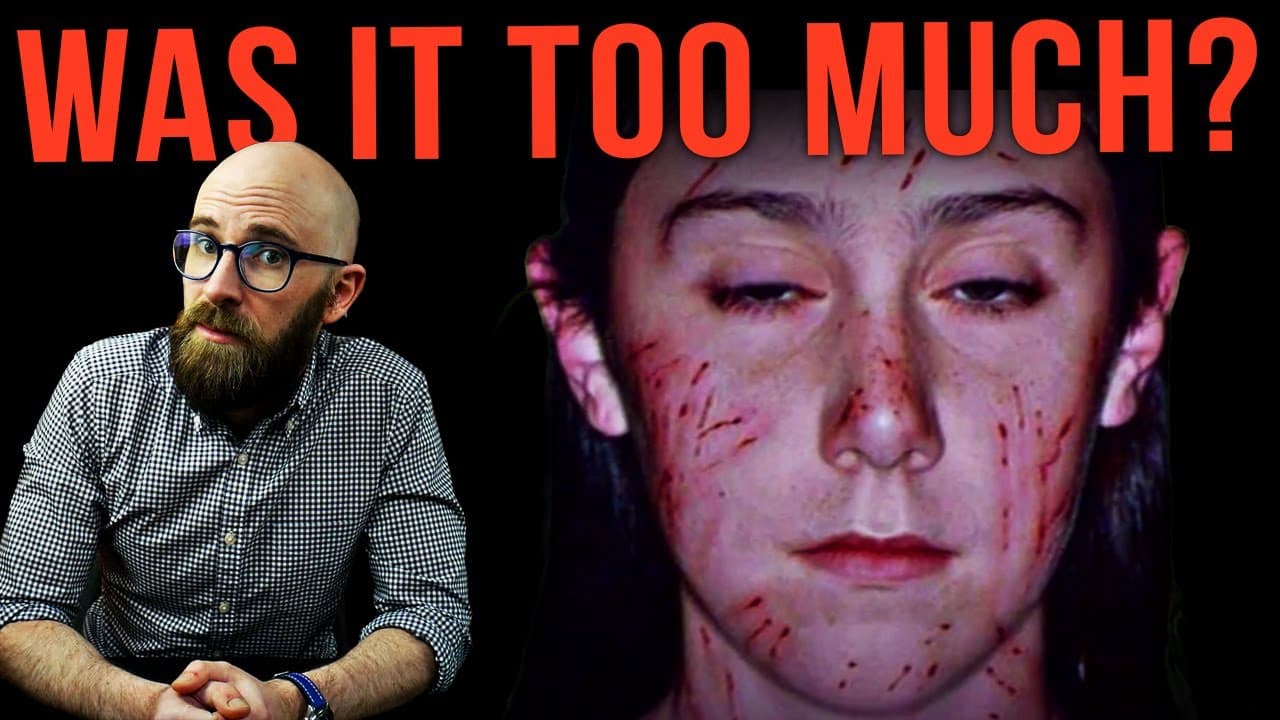
I think three women who were pregnant went into labor that evening this is a quote from bafter winning horror writer Steven vul discussing perhaps his most infamous work ghost watch a BBC special released in 1992 that resulted in a quantifiable percentage of the British public watching at home believing that the spirit of a child molesting ghost ha... Read More
Key Insights
- 🫥 Ghostwatch's format, presented as a "live" investigation, blurred the lines between reality and fiction, compelling millions to react emotionally.
- 🥺 Miscommunication regarding the show's fictional status amid a serious broadcast led to widespread viewer panic.
- 🫵 Viewers' interactions and call-ins added a layer of authenticity, fueling the overall anxiety experienced during the airing.
- 🥺 The BBC faced significant backlash after the broadcast, ultimately leading to policy changes concerning programming in sensitive genres.
- 😱 Child actors' performances contributed heavily to the show's unsettling atmosphere, cementing a longstanding impact on horror storytelling.
- 😱 Ghostwatch remains influential, inspiring future horror films and television shows to experiment with similar formats and storytelling techniques.
- 🍉 The long-term absence of Ghostwatch from British television reflects deep cultural sensitivities regarding media content and audience response.
Install to Summarize YouTube Videos and Get Transcripts
Explore YouTube Video Summarizer or Get YouTube Transcript Extractor
Questions & Answers
Q: What was Ghostwatch, and why did it create such a stir among viewers?
Ghostwatch was a fictional live TV broadcast presented by the BBC that aired on Halloween 1992. It featured journalists investigating a haunting, which was presented as real. However, many viewers, misled by the lack of clear disclaimers, believed it depicted genuine paranormal events, leading to widespread panic, emotional distress, and a significant number of calls to the BBC.
Q: How did the BBC try to clarify that Ghostwatch was fictional?
The BBC attempted to clarify Ghostwatch’s fictional nature with a banner displaying its writer's name and genre just before the program began. However, this disclaimer appeared only moments before the broadcast commenced, which many viewers likely missed or ignored, particularly because the show aired after a serious news segment.
Q: What role did call-ins from viewers play during Ghostwatch’s broadcast?
Viewers were encouraged to call in with their thoughts and experiences during the live broadcast. Many calls expressed fear or confusion, adding an interactive belt to the program. However, the calls were not acknowledged, making the show feel more organic and real to the audience, inadvertently amplifying the panic throughout the broadcast.
Q: What actions did the BBC take following the public's reaction to Ghostwatch?
After backlash from parents and the Broadcasting Standards Commission, the BBC apologized for not adequately marking the show as fiction and ultimately decided to shelve the program indefinitely. They reacted to concerns about the show's content, especially regarding the graphic references to child abuse and the portrayal of frightened children.
Q: How did viewers perceive the portrayals of child characters in Ghostwatch?
The professionals and authenticity of the child actors, who delivered chilling performances, significantly contributed to the audience's fear. Their expressions and stories resonated deeply with viewers, further blurring the lines between fiction and reality, which led many parents to express concern about the impact on their children.
Q: What legacy did Ghostwatch leave in the horror genre?
Ghostwatch is often regarded as one of the earliest modern found footage works, influencing subsequent horror films like The Blair Witch Project and the Paranormal Activity series. Its innovative approach to blending documentary style with horror storytelling set a precedent for future media, particularly with its use of familiar TV formats to engage an audience.
Q: Did Ghostwatch ever return to air on British television after its initial broadcast?
No, Ghostwatch has not aired in its entirety on British television since its initial broadcast in 1992. While it has been released on DVD and shown in some other countries, the BBC opted to avoid further controversy surrounding the program by keeping it off British airwaves.
Q: What unfortunate events did viewers report as a result of watching Ghostwatch?
Viewers reported varying degrees of panic and trauma, with children experiencing nightmares and notable incidents of fear including one mother claiming her husband was injured due to fear-induced hysteria. There were multiple reports of clocks stopping at the time of the show’s airing and objects falling, which led many to believe the spirit from the program had invaded their homes.
Summary & Key Takeaways
-
Ghostwatch was a fictional BBC horror broadcast that aired on Halloween 1992, but miscommunication led many viewers to believe it was genuine, resulting in panic and confusion.
-
The show included live elements and real call-ins, which contributed to its authenticity, prompting an estimated one million viewers to contact the BBC during its airing to report or inquire about paranormal experiences.
-
Following the broadcast's aftermath, significant backlash ensued, leading to the BBC apologizing and shelving the program indefinitely to avoid further controversy despite its ongoing influence in the horror genre.
Read in Other Languages (beta)
Share This Summary 📚
Summarize YouTube Videos and Get Video Transcripts with 1-Click
Try YouTube Summary with ChatGPT & Claude or YouTube Transcript Generator
Explore More Summaries from Today I Found Out 📚

Summarize YouTube Videos and Get Video Transcripts with 1-Click
Try YouTube Summary with ChatGPT & Claude or YouTube Transcript Generator