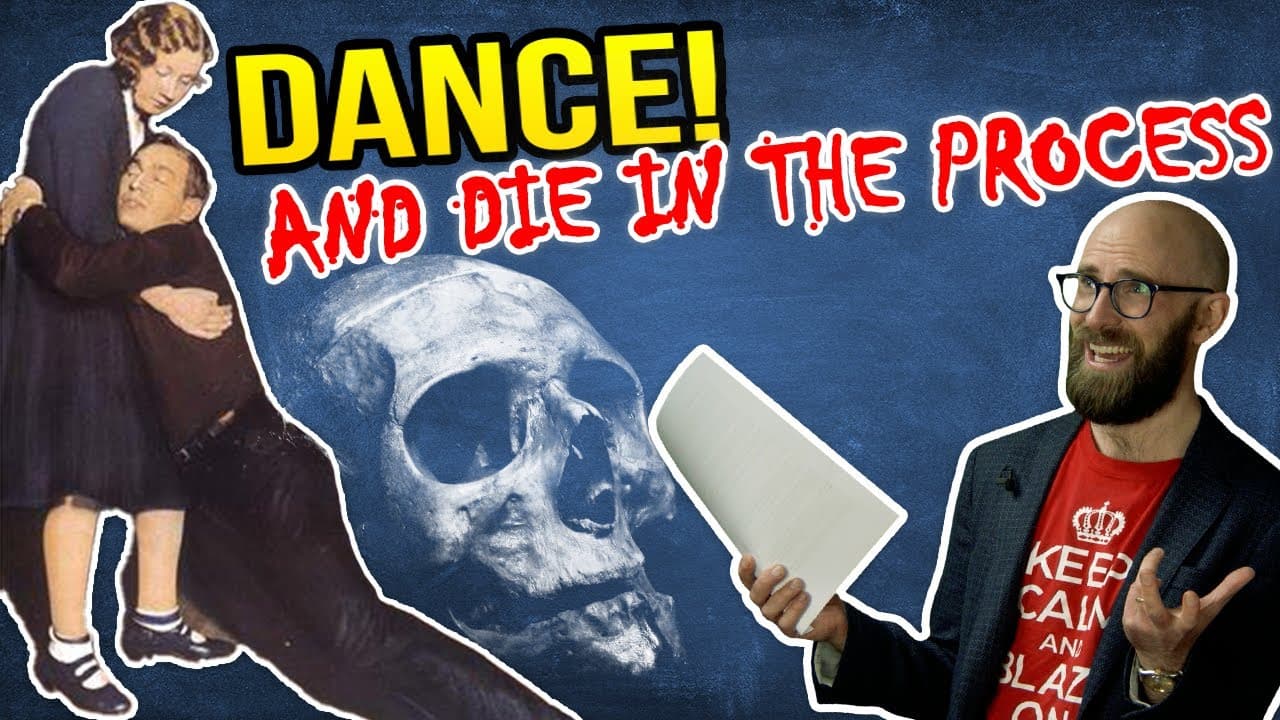
Dance Until You Die: The Perverse Depression Era Fad of Dance Marathons
TL;DR
Dance marathons in the 1920s became popular and evolved into exploitative spectacles, with participants enduring physical and mental hardships, driven by desperation and the allure of cash prizes.
Transcript
this video is sponsored by sheath underwear which is completely revolutionizing the men's underwear game look gents how many times you've been out and about and things just not going well you know down there it's too hot things are sticking to things it's a bit too sweaty you're just readjusting yourself too often it's not a good look you ... Read More
Key Insights
- 🏃 The dance marathon craze emerged as a result of the spirit of liberation and experimentation in the 1920s.
- 🫷 Dance marathons provided a platform to push the limits of the human body and achieve fame and glory.
- 💩 As the Great Depression hit, dance marathons became a desperate means of survival for unemployed individuals.
- 🏥 The events were highly exploitative, with organizers fabricating backstories, pitting contestants against each other, and creating dangerous conditions for drama.
- 🏃 Dance marathons attracted audiences who found entertainment in the suffering of others, reflecting the desperation of the times.
- 🤱 The dance marathon trend declined with the onset of World War II and the inability of the population to afford entrance fees.
- 💁 The phenomenon of dance marathons resurfaced briefly in a more controlled and charitable form in the 1970s.
- 🏃 Dance marathons serve as a historical example linking the freewheeling spirit of the 1920s with the desperation of the 1930s, resembling today's reality TV as manufactured spectacles.
Install to Summarize YouTube Videos and Get Transcripts
Explore YouTube Video Summarizer or Get YouTube Transcript Extractor
Questions & Answers
Q: How did dance marathons become popular in the 1920s?
Dance marathons gained popularity after a dance instructor, Alma Cummings, set a record by dancing for 27 hours straight, inspiring similar events across the country.
Q: What were the basic rules and conditions of dance marathons?
Contestants had to dance continuously, remain on their feet, and were eliminated if their knees touched the ground. They had limited rest periods, during which they could eat, rest, or attend to personal needs.
Q: How did dance marathons attract audiences?
Dance marathons drew large audiences who paid admission fees to watch the dancers. The events included various attractions like snap sprint races, derbies, mock weddings, and even sponsorships.
Q: What were the physical and psychological tolls of dance marathons?
Dancers faced exhaustion, sleep deprivation, hallucinations, and injuries. Some collapsed, fell unconscious, or even died during or after marathons. The events took a toll on their mental well-being as well.
Summary & Key Takeaways
-
The 1920s saw a surge in hedonism and experimentation, leading to various crazes such as dance marathons.
-
Dance marathons involved couples dancing continuously for days, weeks, or even months for cash prizes.
-
The marathons started as harmless events but grew into exploitative spectacles that took a toll on participants' physical and mental well-being.
Read in Other Languages (beta)
Share This Summary 📚
Summarize YouTube Videos and Get Video Transcripts with 1-Click
Try YouTube Summary with ChatGPT & Claude or YouTube Transcript Generator
Explore More Summaries from Today I Found Out 📚




Summarize YouTube Videos and Get Video Transcripts with 1-Click
Try YouTube Summary with ChatGPT & Claude or YouTube Transcript Generator