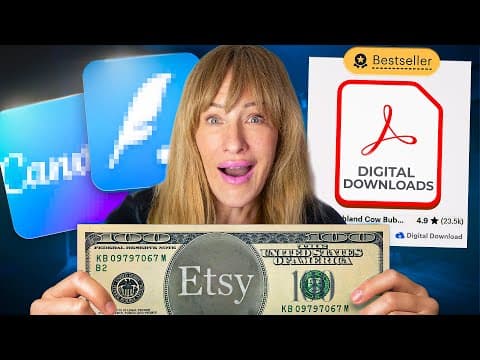
How to Make $1 Million Selling Digital Products
TL;DR
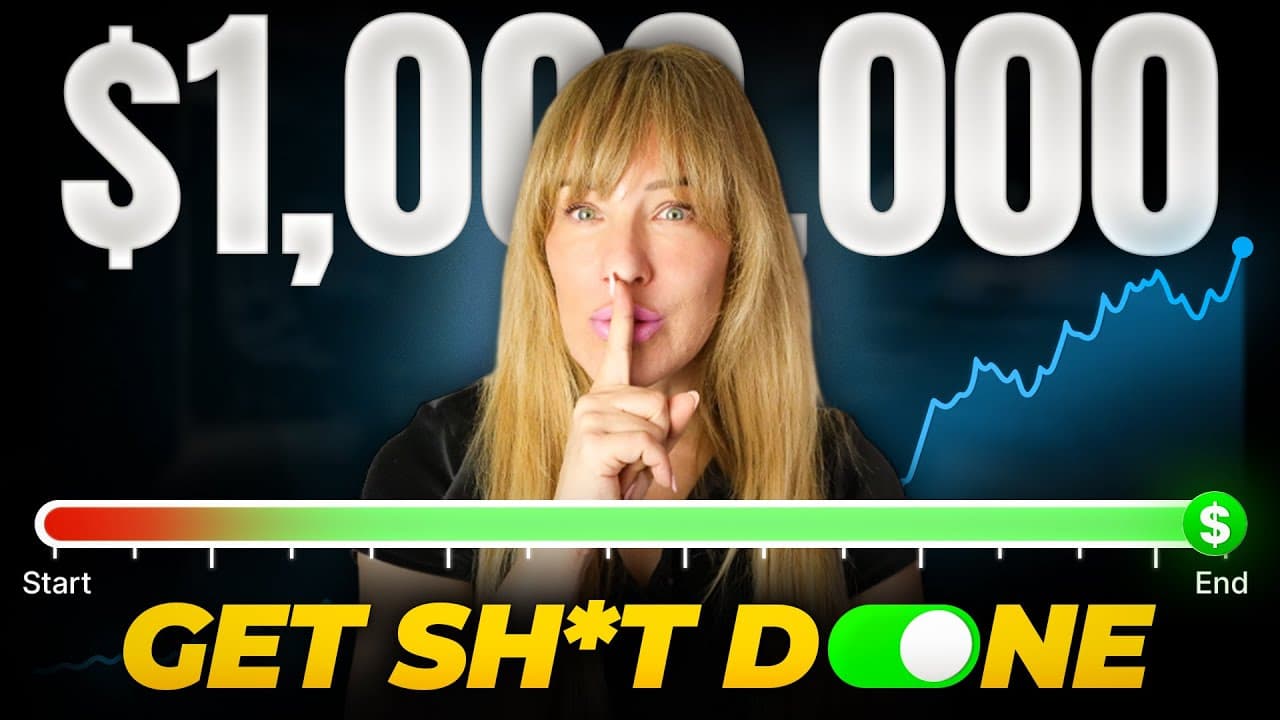
The proposed path toward $1 million in 12 months is to build a faceless digital-product business through validation, scale, and domination. Begin by using AI to test whether an idea solves a specific problem, then launch a focused mini product for less than $10 instead of spending three months creating an unproven $97 offer. Read on for the concrete positioning, pricing, and validation tactics behind this roadmap.
Transcript
If I had to start completely over today with zero followers, zero email subscribers, and no personal brand, and my goal was to make $1 million in the next 12 months selling digital products, this is exactly what I would do. Because here's the thing most people won't tell you. You don't need to be an influencer. You don't need to be active on Instag... Read More
Key Insights
- You don't need to be an influencer or show your face to sell digital products successfully.
- Selling generic digital products without a unique spin will not be profitable in 2026.
- Validate your digital product ideas before investing time in creating them.
- Start with low-cost, specific digital products to reduce purchase resistance and gather customer data.
- Threads offers a higher engagement rate and less competition than Instagram for marketing.
- Building an email list from day one is crucial for scaling your business.
- Use a product stack formula to expand from a $10 product to more comprehensive offerings.
- Focus on solving specific problems rather than trying to cater to a broad audience.
Install to Summarize YouTube Videos and Get Transcripts
Explore YouTube Video Summarizer or Get YouTube Transcript Extractor
Questions & Answers
Q: How would you try to make $1 million in 12 months selling digital products?
The roadmap divides the path into three phases: validation, scale, and domination. Start by validating a specific problem, then launch a small, quickly actionable product for less than $10 before investing in a larger offer. The $1 million figure is the stated goal of the roadmap, not a guaranteed outcome.
Q: Can you sell digital products without followers or a personal brand?
Yes, the speaker says the strategy can begin with zero followers, zero email subscribers, and no personal brand. It does not require being an influencer, staying active on Instagram, or showing your face on social media. The speaker also reports having made seven figures from faceless digital products.
Q: Why should digital products solve a specific problem?
A specific solution is easier to distinguish from competing products and helps customers immediately recognize that it addresses their problem. The transcript contrasts the generic title “how to lose weight” with a guide for looking and feeling better in your 40s, 50s, and beyond in 30 minutes per day. That clearer path can simplify the buying decision and create curiosity.
Q: How can AI help validate a digital-product idea?
The suggested approach is to use an AI prompt to evaluate whether the idea solves a specific problem or merely adds to existing noise. This check can produce feedback within seconds, before months are spent building the product. The speaker says the custom prompt is available in the video description.
Q: Why should you launch a mini product before a $97 product?
Creating a $97 product over three months is risky when demand has not been established. The roadmap instead recommends a small solution priced below $10 that can be launched and applied quickly. This tests interest while avoiding a large upfront investment of time.
Q: What is an example of a focused mini digital product?
Instead of developing a complete business-plan template with sophisticated Canva worksheets, create one simple Excel sheet or worksheet. The example title is “validate your side hustle idea in one weekend.” The speaker says it could be made in less than 24 hours and deliver a visible result within one weekend.
Q: What price should an initial mini digital product have?
The suggested price range is $5 to $9, keeping the product below $10. According to the transcript, this reduces mental resistance and places the offer in impulse-purchase territory. The offer should provide straightforward, actionable steps without overwhelming the buyer.
Q: Why are generic digital products unlikely to sell?
Generic products do not solve a clearly defined problem or distinguish themselves from competitors. The examples given are generic life planners, affirmation cards without a unique angle, and Canva templates without a target customer. The roadmap therefore recommends identifying what people want and positioning the product around a specific customer and outcome.
Summary & Key Takeaways
-
To make $1 million in 12 months selling digital products, start by validating your ideas with AI to ensure they solve real problems. Create low-cost, specific products that reduce purchase resistance and build a customer base. Use platforms like Threads for better engagement and avoid the pitfalls of trying to build a personal brand too early.
-
The key to success is focusing on solving specific customer problems and building a product stack that scales. Start with a $10 product and expand to more comprehensive offerings. Build an email list from day one and use customer feedback to refine your products and marketing strategies.
-
Avoid common mistakes like waiting for perfection or trying to be everywhere at once. Instead, focus on mastering one platform and validating your ideas before scaling. Use AI tools to predict demand and create products that meet the needs of your target audience effectively.
Read in Other Languages (beta)
Share This Summary 📚
Summarize YouTube Videos and Get Video Transcripts with 1-Click
Try YouTube Summary with ChatGPT & Claude or YouTube Transcript Generator
Explore More Summaries from Luna Vega 📚


Summarize YouTube Videos and Get Video Transcripts with 1-Click
Try YouTube Summary with ChatGPT & Claude or YouTube Transcript Generator