How Did Satan Evolve Into the Ultimate Antagonist?
TL;DR
Satan evolved from a minor character in the Old Testament to the ultimate antagonist through various literary and artistic interpretations. Key moments include his temptation of Jesus in the New Testament, the medieval depictions inspired by Dante's 'Inferno,' and Milton's portrayal of Lucifer as a tragic hero in 'Paradise Lost.' This evolution highlights how cultural and temporal influences shaped the representation of evil.
Transcript
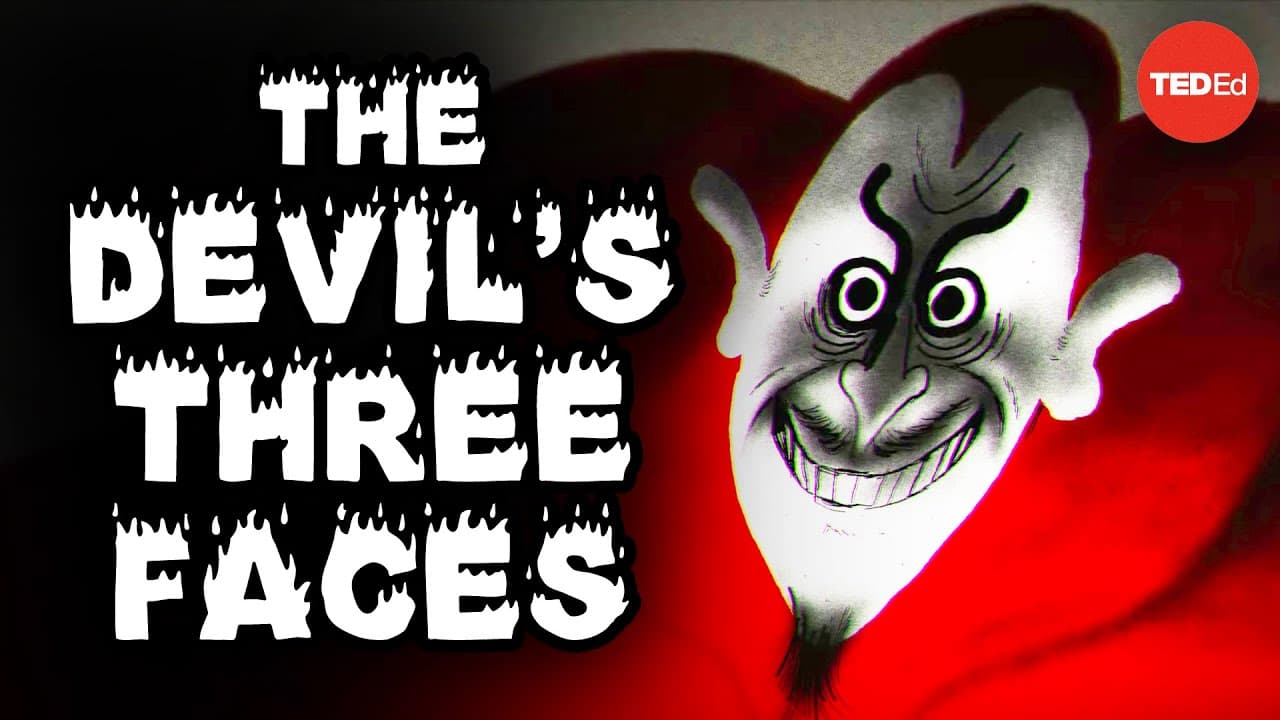
Satan, the beast crunching sinners’ bones in his subterranean lair. Lucifer, the fallen angel raging against the established order. Mephistopheles, the trickster striking deals with unsuspecting humans. These three divergent devils are all based on Satan of the Old Testament, an angelic member of God’s court who torments Job in the Book of Job. ... Read More
Key Insights
- 🥰 Satan's character evolved from a minor figure in the Bible to the ultimate antagonist through reinterpretations in literature and art.
- 👹 Different cultures and time periods influenced the depiction of Satan, ranging from a scaled monster to a human-like figure.
- 🤬 Satan became a symbol of rebellion and tragic heroism, with writers like Milton portraying him as an ambiguous character.
- 😈 The legend of Doctor Faust showcased the consequences of making deals with the devil.
Install to Summarize YouTube Videos and Get Transcripts
Explore YouTube Video Summarizer or Get YouTube Transcript Extractor
Questions & Answers
Q: How did Satan become the ultimate antagonist despite being a minor character in the Bible?
Over time, reinterpretations of Satan in literature and art expanded his role and gave him more attention, with writers and artists adding new dimensions to his character and appearance.
Q: How did Satan's portrayal change during the Renaissance?
During the Renaissance, Satan started to assume a more human form, depicted as a man with cloven hooves and curling horns, inspired by the Greek god Pan.
Q: How did John Milton depict Satan in "Paradise Lost"?
Milton portrayed Satan as Lucifer, an angel who rebelled against God, declaring that he'd rather rule in hell than serve in heaven. He presented Satan as an ambiguous figure, inspiring later depictions that saw him as a tragic hero.
Q: What is a Faustian bargain?
A Faustian bargain refers to a trade that sacrifices integrity for short-term gains, based on the German legend of Doctor Faust who made a deal with the devil for pleasure and power, but ultimately ended up in hell.
Summary & Key Takeaways
-
Satan in the Old Testament is a relatively minor character with scant information about his deeds or appearance.
-
In the New Testament, Satan becomes more active, tempting Jesus and appearing as a giant dragon.
-
Medieval artists and writers depicted Satan as a scaled, shaggy-furred creature, while Dante portrayed him as a three-headed behemoth.
Read in Other Languages (beta)
Share This Summary 📚
Summarize YouTube Videos and Get Video Transcripts with 1-Click
Try YouTube Summary with ChatGPT & Claude or YouTube Transcript Generator
Explore More Summaries from TED-Ed 📚
Summarize YouTube Videos and Get Video Transcripts with 1-Click
Try YouTube Summary with ChatGPT & Claude or YouTube Transcript Generator