What's Wrong With Modern Science And How To Fix It
TL;DR
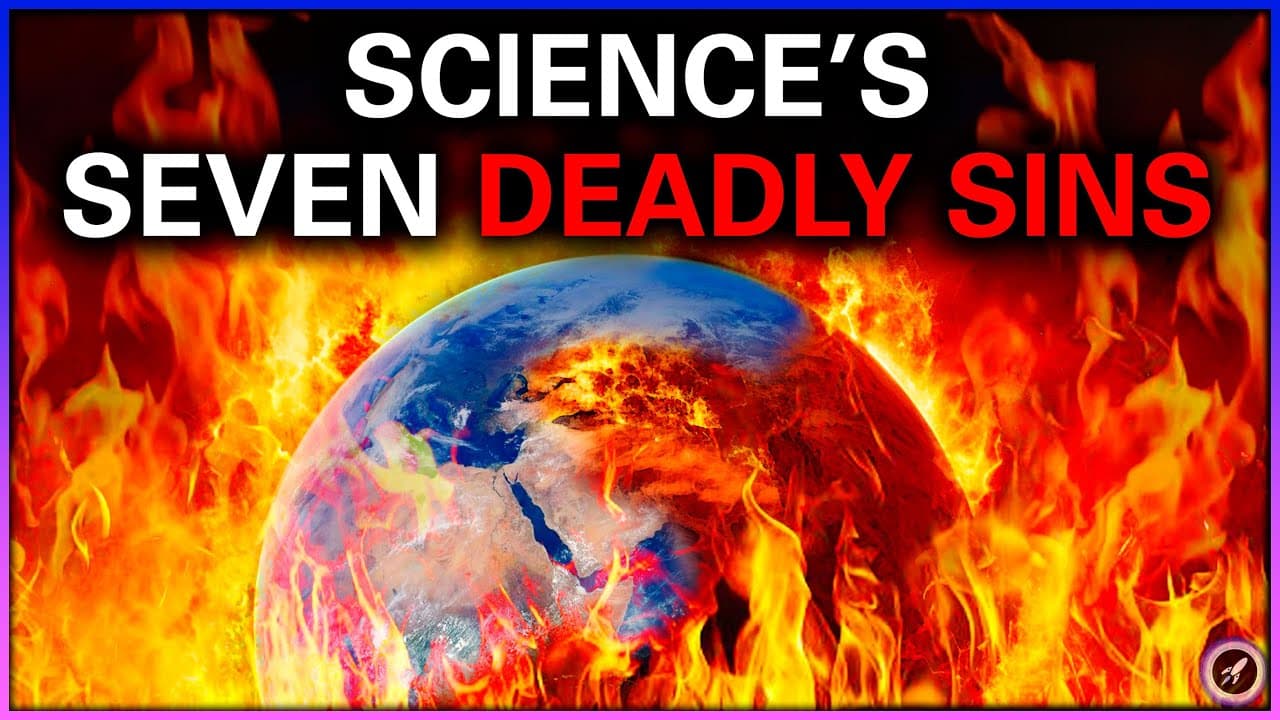
Modern science is losing public trust because its community faces problems involving fraud, excessive publishing, risk-averse funding, limited career prospects, politicization, poor communication, and insufficient diversity. Dr. Paul Sutter argues that scientists should improve their own trustworthiness through stronger standards, transparent communication, inclusive institutions, restructured incentives, and open dialogue with policymakers. Read on for the specific problems and reforms discussed in Rescuing Science.
Transcript
mostly on this channnel we talk about the discoveries made by scientists but occasionally we talk about science itself and what is the process that scientists go through to be able to find their discoveries it's more of a philosophical question and you've probably noticed recently that science is under attack by many fronts there is a just general ... Read More
Key Insights
- 🇨🇫 The scientific community must address issues of fraud, funding practices, career prospects, politicization, communication, and diversity to regain public trust.
- 🧑🔬 Restructuring incentives within academia can encourage scientists to engage in science communication and outreach.
- 🆕 Increased diversity in the scientific community offers fresh perspectives and improves problem-solving capabilities.
- 🔬 Science communication should emphasize transparency, uncertainties, and the evolving nature of scientific knowledge.
Install to Summarize YouTube Videos and Get Transcripts
Explore YouTube Video Summarizer or Get YouTube Transcript Extractor
Questions & Answers
Q: What's wrong with modern science, and how can it be fixed?
Dr. Paul Sutter identifies seven broad problem areas, including fraud, funding practices, limited career prospects, politicization, poor science communication, and insufficient diversity. He proposes stronger standards against fraud, restructured incentives and funding, greater inclusion, more transparent communication, and open dialogue between scientists and policymakers.
Q: Why does Dr. Paul Sutter believe scientists share responsibility for declining public trust?
Sutter says he does not know how to change the mind of someone who has already become anti-science. Instead, he asks scientists and science supporters to look inward, change their own practices, and become more trustworthy so science can regain trust and funding.
Q: What is Rescuing Science about?
Rescuing Science is Dr. Paul Sutter's book about the breakdown of trust between science and large parts of the public. It examines what scientists and their supporters can change within their own community to improve trustworthiness.
Q: What does “publish or perish” mean in academic science?
It describes the pressure on academic scientists to publish many papers throughout their careers. Publishing can affect admission to graduate school, completion of a PhD, research positions, faculty appointments, tenure, grants, and promotion.
Q: How much scientific research was published in 2023?
Sutter says more than 5 million scientific articles were published worldwide in 2023, giving the figure as 5.1 million. He also says there are 30,000 English-language journals worldwide.
Q: How can pressure to publish encourage scientific fraud?
Sutter argues that demands for a high volume of papers produce poor-quality, uninteresting, or unproductive research published merely for its own sake. He says this pressure creates a culture in which fraud can thrive and retractions and suspicions of fraud increase.
Q: How should scientists communicate to rebuild public trust?
Scientists should communicate their work and methods more openly while explaining uncertainty, nuance, and the evolving nature of scientific knowledge. This transparency can help the public understand both scientific findings and the process behind them.
Q: Why does diversity matter in scientific research?
Greater diversity and inclusion bring fresh perspectives into the scientific community and improve its capacity to solve problems. Addressing limited career prospects, particularly for people from underrepresented communities, can also make science more accessible and trustworthy.
Summary & Key Takeaways
-
Dr. Paul Sutter discusses the breakdown in trust between science and the public, emphasizing the responsibility of scientists to address the issue.
-
He highlights several problems within the scientific community, including fraud, funding practices, lack of career prospects, politicization of science, poor science communication, and lack of diversity.
-
Dr. Sutter proposes potential solutions such as higher standards against fraud, increased diversity and inclusion, improved science communication, restructuring funding practices, and fostering open dialogue between scientists and policymakers.
Read in Other Languages (beta)
Share This Summary 📚
Summarize YouTube Videos and Get Video Transcripts with 1-Click
Try YouTube Summary with ChatGPT & Claude or YouTube Transcript Generator
Explore More Summaries from Fraser Cain / Universe Today Podcast 📚



Summarize YouTube Videos and Get Video Transcripts with 1-Click
Try YouTube Summary with ChatGPT & Claude or YouTube Transcript Generator