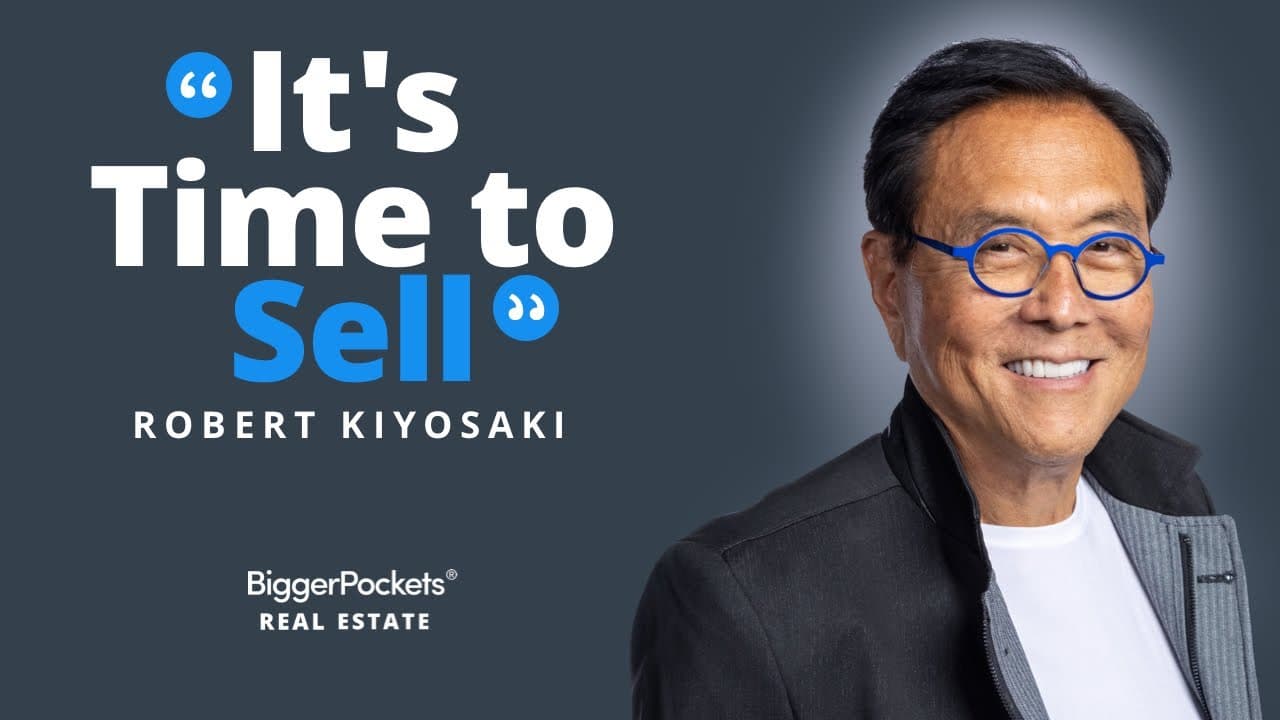
Robert Kiyosaki: "Rich Dad Poor Dad" Author Predicts a Crash
TL;DR
Kiyosaki discusses real estate, capitalism, and economic predictions.
Transcript
this is the bigger pockets podcast show 500. it's just common sense you know and it's not right or wrong it's just what works for you it's all the people listening right now is real estate good for you well it depends if you want to study it's great you don't want to study don't do it you're listening to bigger pockets radio simplifying real estate... Read More
Key Insights
- Robert Kiyosaki emphasizes the importance of financial education, particularly in understanding the difference between assets and liabilities, to escape the 'rat race.'
- He argues that real estate offers unique benefits such as leveraging debt and reducing taxes, which are vital tools for wealth accumulation.
- Kiyosaki highlights the macroeconomic risks of high debt-to-GDP ratios and predicts potential inflation or tax increases as a result.
- He believes that capitalism, despite its criticisms, provides the freedom to create wealth and improve living standards through entrepreneurship and investment.
- Kiyosaki critiques the traditional education system for not teaching financial literacy, which he sees as essential for personal financial independence.
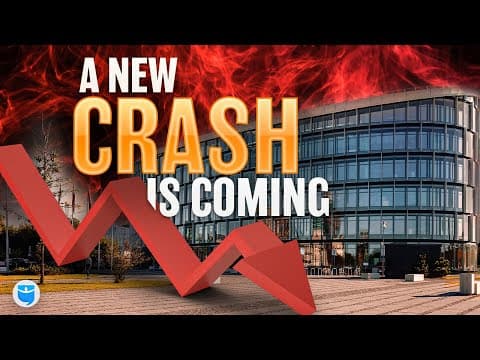
- He predicts that the housing market will experience a crash, which he views as an opportunity for investors to acquire assets at lower prices.
- Kiyosaki supports investing in gold, silver, and cryptocurrencies as hedges against economic instability and currency devaluation.
- He stresses the importance of understanding economic cycles and being prepared to take advantage of market downturns to build wealth.
Install to Summarize YouTube Videos and Get Transcripts
Explore YouTube Video Summarizer or Get YouTube Transcript Extractor
Questions & Answers
Q: What is Robert Kiyosaki's view on real estate investing?
Kiyosaki views real estate as a powerful tool for wealth creation due to its ability to leverage debt and minimize taxes. He believes that real estate is a safer and more effective investment compared to stocks or mutual funds, as it provides tangible assets and cash flow.
Q: Why does Kiyosaki criticize traditional education?
Kiyosaki criticizes traditional education for failing to teach financial literacy, which he sees as crucial for achieving financial independence. He believes that schools focus on creating employees rather than entrepreneurs, which limits individuals' potential to build wealth and escape the 'rat race.'
Q: What economic predictions does Kiyosaki make?
Kiyosaki predicts that the economy may face inflation or increased taxes due to the high debt-to-GDP ratio. He also anticipates a housing market crash, which he views as an opportunity for savvy investors to acquire properties at reduced prices.
Q: How does Kiyosaki view the role of government in the economy?
Kiyosaki is critical of government intervention, particularly in terms of monetary policy and taxation. He believes that government actions, such as printing money and increasing debt, can lead to economic instability and reduce individual freedom.
Q: What investment strategies does Kiyosaki recommend?
Kiyosaki recommends investing in real estate, gold, silver, and cryptocurrencies as a hedge against economic instability. He advises leveraging debt for real estate investments and focusing on assets that provide cash flow and tax advantages.
Q: What is Kiyosaki's perspective on capitalism?
Kiyosaki is a strong proponent of capitalism, viewing it as a system that offers individuals the freedom to create wealth and improve their living standards. He believes that capitalism encourages innovation and entrepreneurship, which are essential for economic growth.
Q: How does Kiyosaki suggest individuals prepare for economic downturns?
Kiyosaki suggests that individuals prepare for economic downturns by acquiring financial education and investing in assets that can withstand market fluctuations. He emphasizes the importance of understanding economic cycles and being ready to take advantage of market opportunities.
Q: What is Kiyosaki's stance on taxes?
Kiyosaki believes that taxes are incentives from the government to encourage certain economic activities, such as real estate investment. He advocates for using tax laws to one's advantage by investing in assets that provide tax benefits, thereby reducing overall tax liability.
Summary & Key Takeaways
-
Robert Kiyosaki discusses the benefits of real estate investing, emphasizing its potential for leveraging debt and minimizing taxes, which are key to building wealth.
-
He expresses concerns about the current economic climate, particularly the high debt-to-GDP ratio, and predicts inflation or increased taxes as potential outcomes.
-
Kiyosaki advocates for financial education to empower individuals to achieve financial independence and criticizes the lack of such education in traditional schooling.
Read in Other Languages (beta)
Share This Summary 📚
Summarize YouTube Videos and Get Video Transcripts with 1-Click
Try YouTube Summary with ChatGPT & Claude or YouTube Transcript Generator
Explore More Summaries from BiggerPockets 📚
Summarize YouTube Videos and Get Video Transcripts with 1-Click
Try YouTube Summary with ChatGPT & Claude or YouTube Transcript Generator