How to Build Startups Through Better Hospitality
TL;DR
Exceptional customer experiences come from combining rigorous operational standards with personal gestures that make people feel recognized. Leaders can build this culture by modeling attentiveness, normalizing thoughtful feedback, praising strong performance, and consistently correcting behavior in private. The most memorable gesture may be simple and imperfect, provided it responds directly to what a customer actually wants.
Transcript
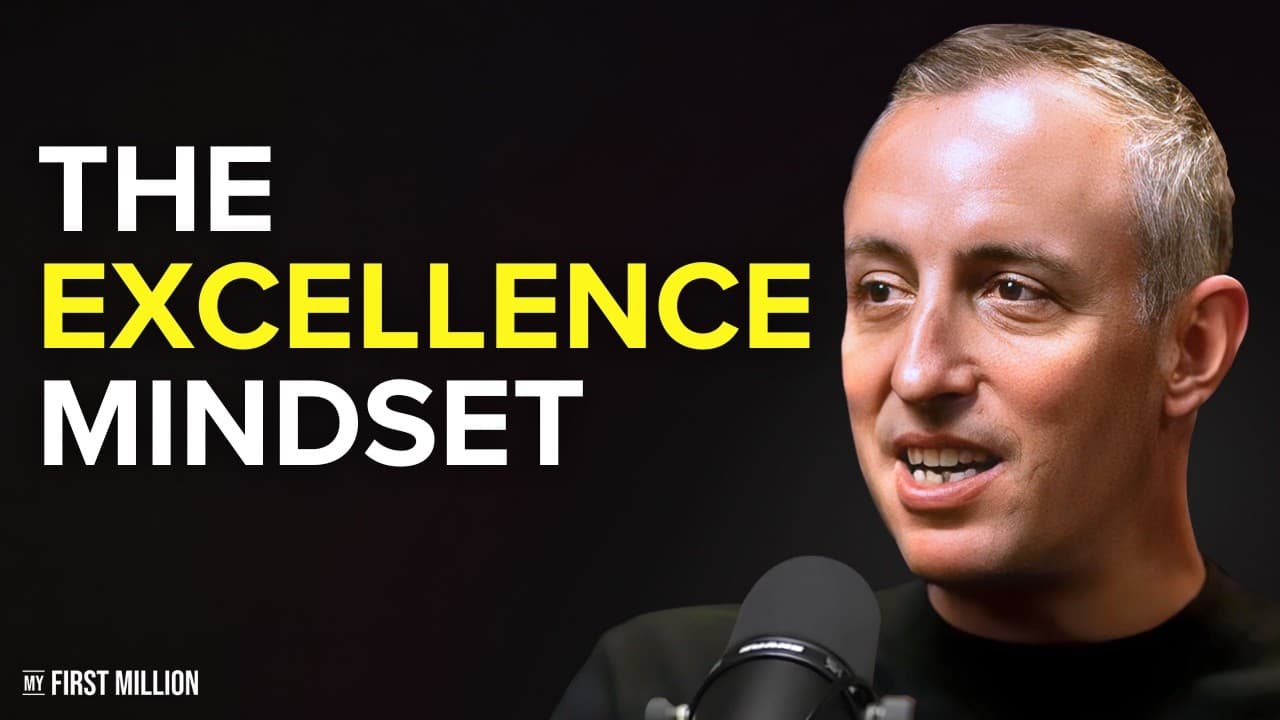
All right, this episode is with Will Guerrero. Will is the author of a book called Unreasonable Hospitality. He also is one of the writers for a TV show called The Bear, uh, which is very popular. And there's an episode in The Bear. It's called Forks. I think it's in season two. And it's an amazing episode. You guys have to watch it. And it's basic... Read More
Key Insights
- Operational excellence is the foundation for remarkable hospitality, but perfection alone does not create the most memorable customer experiences. Eleven Madison Park’s advantage came from combining meticulous standards with personal, imperfect gestures that made individual guests feel noticed and understood.
- The hot dog gesture is an example of listening for an unfulfilled customer desire and responding immediately. Guidara overheard diners mention a missed New York experience, purchased a street-cart hot dog, and transformed it into their most emotionally powerful course.
- Memorable hospitality is shaped by relevance rather than ingredient cost. The diners reacted more strongly to a simple hot dog connected to their trip than to the Wagyu beef, lobster, caviar, and elaborate duck associated with fine dining.
- Strong leadership is a balance between accountability and positive presence. Guidara says employees should check that everything is correct when a leader enters, while also smiling because they are happy that the leader has arrived.
- Leadership is not primarily about being liked by employees. Team members need someone willing to lead them, and Guidara argues that consistent, capable leadership can eventually generate respect and affection without making popularity the immediate objective.
- Praise is essential when leaders establish demanding expectations. Celebrating employees who meet or exceed those expectations is both fair and motivating, because receiving recognition encourages people to pursue the behaviors that can earn further recognition.
- Thoughtful criticism is an investment in employee growth. People join organizations partly to improve, so leaders fail them when they avoid addressing behavior that prevents them from becoming better versions of themselves.
- Effective criticism is private, behavioral, consistent, and free of sarcasm. Public criticism creates shame, personal criticism attacks identity, inconsistent criticism obscures standards, and joking criticism weakens a conversation that should clearly support someone’s development.
Install to Summarize YouTube Videos and Get Transcripts
Explore YouTube Video Summarizer or Get YouTube Transcript Extractor
Questions & Answers
Q: How can startups apply hospitality principles to customer experience?
Startups can apply hospitality principles by first establishing reliable standards and then creating room for personal responses. Teams should pay close attention to what customers say, identify desires that ordinary procedures might overlook, and act when a meaningful opportunity appears. The objective is to make customers feel seen, not merely to provide an expensive benefit. A simple, relevant gesture can become more memorable than a polished but impersonal interaction.
Q: Why did Eleven Madison Park serve diners a street-cart hot dog?
Will Guidara overheard four European food enthusiasts say that they had enjoyed their New York restaurant trip but never eaten a New York City hot dog. Because they were leaving for the airport after lunch, he ran to a cart and bought one. The chef divided and plated it with condiments and a micro herb, and Guidara presented it so the diners could leave without that culinary regret.
Q: What made the hot dog more memorable than the fine-dining courses?
The hot dog was memorable because it responded to a specific desire at exactly the right moment. The diners had eaten at several fancy restaurants, but the missing hot dog represented an unfinished part of their New York experience. Guidara’s intervention showed that someone had listened and cared enough to act. That personal relevance generated a stronger reaction than costly ingredients such as Wagyu beef, lobster, or caviar.
Q: How should leaders balance excellence with hospitality?
Leaders should treat excellence and hospitality as complementary disciplines. Rigorous standards ensure that routine details are consistently correct, while hospitality gives teams permission to respond personally to individual needs. Guidara’s restaurant pursued precision in its food and service, then added gestures that could be messy or imperfect. Excellence creates trust in the operation, while hospitality creates the human moments that customers are most likely to remember.
Q: How can a leader hold employees accountable without intimidating them?
A leader can maintain accountability by being attentive, consistent, and thoughtful rather than hostile. Guidara distinguishes between employees checking their work because they fear being yelled at and doing so because they respect the leader and do not want to disappoint them. The desired response combines higher attention with genuine happiness that the leader is present. Clear expectations and constructive feedback support that environment more effectively than acting like a bully.
Q: What are Will Guidara’s rules for giving criticism?
Guidara says criticism should be delivered privately, focused on behavior rather than the person, given consistently, and expressed without sarcasm. Private correction prevents a wall of shame from blocking the message. Behavioral language identifies what can change without attacking identity. Consistency clarifies what correct performance looks like. Avoiding jokes preserves the seriousness of investing in another person’s growth and prevents confusion about the leader’s expectations.
Q: Why is consistent criticism important in company culture?
Consistent criticism gives employees a dependable understanding of what acceptable performance looks like. If leaders address a problem only occasionally, people cannot tell whether the behavior is truly wrong or whether correction depends on the leader’s mood. That uncertainty attaches a negative stigma to feedback and weakens standards. Addressing the same behavior reliably makes accountability part of the culture instead of an unpredictable personal reaction.
Q: Why does Guidara describe criticism as an investment?
Guidara describes criticism as an investment because employees want opportunities to grow and become better versions of themselves. A leader who sees a performance problem but avoids discussing it withholds information the employee needs to improve. Thoughtful correction requires the leader to leave their own comfort zone for someone else’s benefit. It qualifies as an investment only when it is specific, respectful, consistent, and directed toward changing behavior rather than diminishing the person.
Summary & Key Takeaways
-
Will Guidara describes how Eleven Madison Park paired a relentless pursuit of excellence with unreasonable hospitality. Precise execution created a strong foundation, but personalized and sometimes imperfect gestures produced the most memorable experiences. The restaurant distinguished itself by noticing customers’ desires and responding in ways that made them feel individually recognized.
-
A defining example began when Guidara overheard diners regretting that they had not eaten a New York City hot dog. He bought one from a street cart, persuaded the chef to serve it, and presented it before an elaborate duck course. Their reaction surpassed anything he had seen from expensive luxury ingredients.
-
Guidara argues that demanding leadership does not require intimidation. Effective leaders hold people accountable while making them glad the leader is present. They normalize praise and criticism, celebrate employees who meet ambitious expectations, and correct shortcomings thoughtfully. Criticism becomes an investment in growth when it addresses behavior privately, directly, consistently, and without sarcasm.
Read in Other Languages (beta)
Share This Summary 📚
Summarize YouTube Videos and Get Video Transcripts with 1-Click
Try YouTube Summary with ChatGPT & Claude or YouTube Transcript Generator
Explore More Summaries from My First Million 📚





Summarize YouTube Videos and Get Video Transcripts with 1-Click
Try YouTube Summary with ChatGPT & Claude or YouTube Transcript Generator