Why did Iran talks stall after 21 hours?
TL;DR
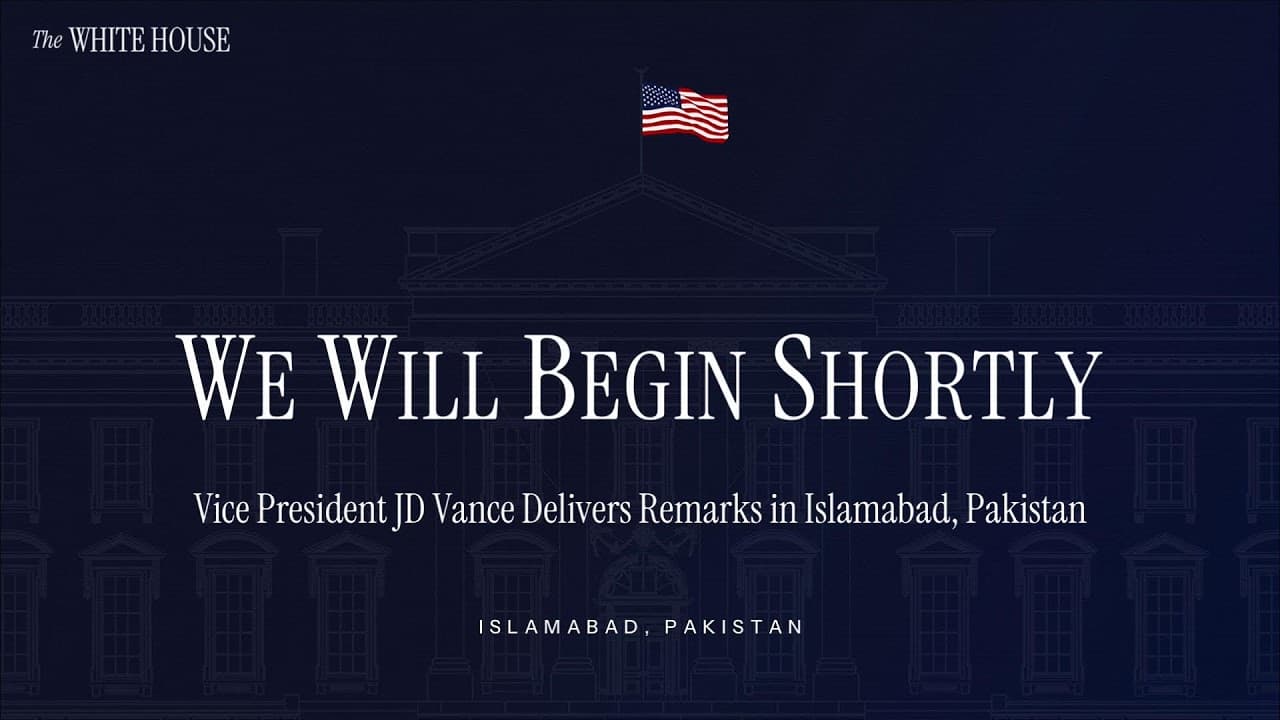
The negotiators could not secure an affirmative commitment from Iran not to seek a nuclear weapon or the tools to quickly achieve one. The United States showed flexibility and made its best offer, but Iran did not accept the terms. The talks ended without a deal, leaving gaps to be bridged in the future.
Transcript
The Vice President: Well, good morning, everybody. And let me say a couple of notes of appreciation, first of all, to the Prime Minister of Pakistan and to Field Marshall Meniere, who were both incredible hosts. And whatever shortcomings of the negotiation, it wasn't because of the Pakistanis who did an amazing job and really tried to help us and t... Read More
Key Insights
- The core goal is an affirmative commitment from Iran not to develop a nuclear weapon and not to pursue tools enabling rapid weaponization.
- The talks lasted 21 hours of private negotiation before public questions, indicating intense but inconclusive discussions.
- The United States claimed to be flexible and accommodating, stressing good faith and best efforts from the Iranian side.
- Iran’s past enrichment facilities were acknowledged as destroyed, yet the question remains about long term will and commitment.
- The decision to not negotiate in public further underscores confidentiality in high-stakes diplomacy.
- There were multiple channels of communication, including the President and national security team, during the negotiation rounds.
- The mention of frozen assets indicates financial dimensions were part of the broader discussions.
- No headway was achieved in translating assurances into concrete terms that Iran accepted in this round.
- More videos from this channel:
- More from this channel: The White House
Install to Summarize YouTube Videos and Get Transcripts
Explore YouTube Video Summarizer or Get YouTube Transcript Extractor
Questions & Answers
Q: Why does the Vice President say the core goal is an affirmative commitment from Iran not to pursue a nuclear weapon long term?
The core goal is stated as ensuring Iran will not seek a nuclear weapon now or in the long term, which represents the fundamental security interest of the United States. This commitment would deliver a lasting constraint on Iran's nuclear program and related capabilities, reducing regional and global risk. The answer is grounded in the description of the negotiations, where this commitment was identified as essential and non negotiable.
Q: What happened after 21 hours of private discussions with Iran?
After 21 hours of private discussions, the negotiators reported that they had not reached an agreement. The United States indicated it had been clear about red lines and what terms were negotiable, but Iran did not accept the terms. This outcome demonstrates a productive but unfulfilled round, leaving open the possibility of future talks if conditions change.
Q: What issues were discussed beyond the main nuclear commitment?
Beyond the core commitment, the talks covered framework questions, frozen assets, and other issues typical of comprehensive agreements. The transcript mentions discussions of many topics and assets, indicating a broad exchange of views, even though no consensus was reached on these elements in this round.
Q: How did the Vice President describe the level of flexibility offered by the United States?
The Vice President described the United States as flexible and accommodating, emphasizing that Washington gave its best effort and urged Iran to come to the table in good faith. This framing suggests that the U.S. offered concessions while seeking a durable and verifiable commitment from Iran.
Q: What influence did the President have on the negotiations according to the Vice President?
The Vice President stated that the President was kept informed and involved, with several conversations during the rounds. This indicates that senior leadership was engaged, providing strategic direction and signaling the seriousness of the U.S. position and the expectations for a credible agreement.
Q: Were there discussions about how to proceed if Iran accepted the terms?
Yes, the Vice President indicated there would be a final and best offer and a method of understanding to be evaluated by Iran. If Iran accepted, it would trigger the next steps toward implementation, enforcement, and verification within the negotiated framework, though no agreement was reached in this round.
Q: What role did host countries play in the negotiations?
The Vice President expressed appreciation for the Prime Minister of Pakistan and Field Marshal Meniere, noting they hosted and facilitated the talks. This underscores the importance of diplomatic hospitality and regional cooperation in enabling sensitive negotiations to proceed over extended periods.
Q: What can be inferred about the Iranian position from the transcript?
From the transcript, it can be inferred that Iran did not provide a fundamental will or long term commitment to not develop a nuclear weapon, at least not in the terms the United States required. While there were discussions on enrichment facilities and assets, Iran did not accept the U.S. terms, leading to no deal in this cycle. This suggests a divergence in perceived red lines and strategic objectives.
Summary & Key Takeaways
-
The talks extended for 21 hours, with extensive private discussions and a focus on Iran not pursuing a nuclear weapon long term. The United States stated it was flexible but the Iranians did not accept the terms, leading to no agreement and ongoing uncertainty.
-
Officials discussed issues beyond the weapon stop and asset questions, including enforcement and framework, while emphasizing the need for a good faith effort to reach a deal.
-
The Vice President expressed appreciation for host countries and set a clear expectation that the next steps would depend on Iran accepting a future offer and a demonstrated long term commitment to denuclearization.
Read in Other Languages (beta)
Share This Summary 📚
Summarize YouTube Videos and Get Video Transcripts with 1-Click
Try YouTube Summary with ChatGPT & Claude or YouTube Transcript Generator
Explore More Summaries from The White House 📚


Summarize YouTube Videos and Get Video Transcripts with 1-Click
Try YouTube Summary with ChatGPT & Claude or YouTube Transcript Generator