How Formula One Innovations Impact Everyday Cars
TL;DR
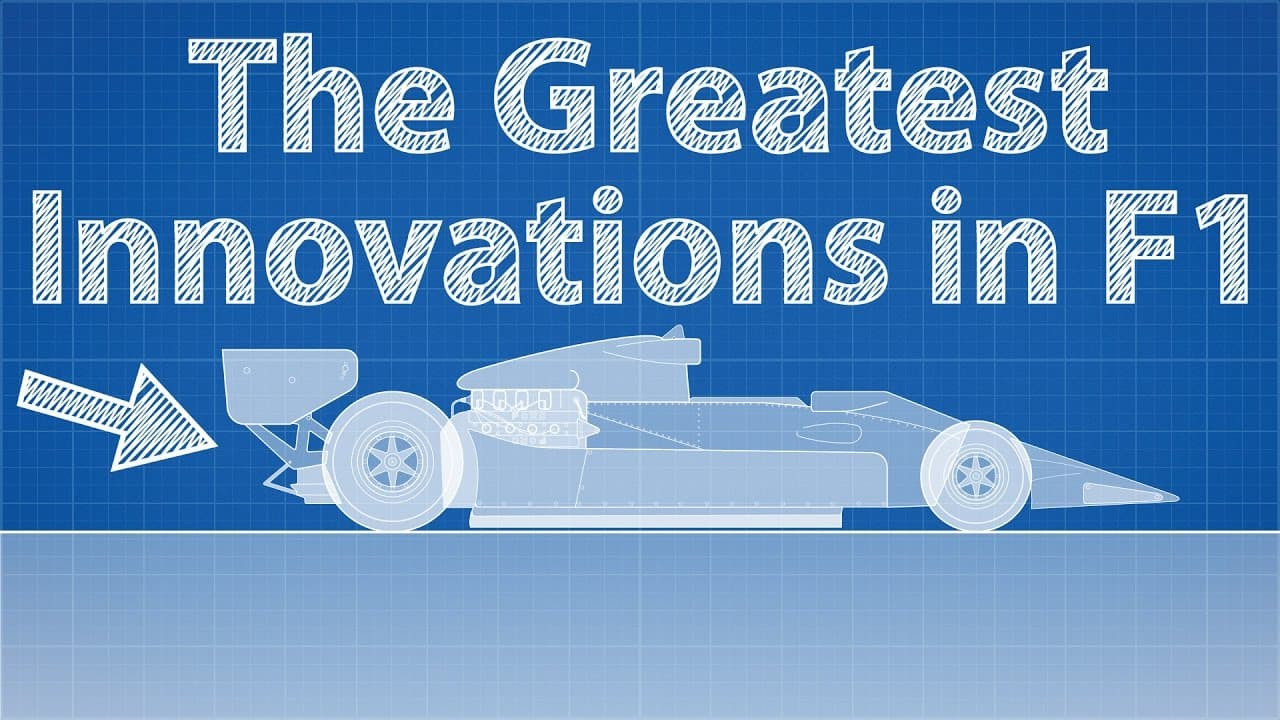
Formula One racing has driven significant technological innovations that have trickled down to everyday vehicles. Key advancements include the development of reliable steel disk brakes, carbon fiber materials, and aerodynamic designs. These innovations improve vehicle safety, efficiency, and performance, with applications extending beyond cars to aircraft like the Boeing 787 and Airbus A350.
Transcript
There are few things in life as thrilling a live Formula one race. The speed and roar of the engines sends adrenaline pumping through yours veins, but this isn’t just mere entertainment. Racing at the highest level tests engineers and drivers in ways that normal production cars do not and forces them to think of clever and innovative ways to improv... Read More
Key Insights
- Formula One innovations often influence everyday car technologies, improving performance and safety.
- Steel disk brakes, first used in the Jaguar C-Type, significantly reduce braking distances and improve reliability.
- Carbon fiber materials, initially doubted for their crashworthiness, have become central to F1 car design and are now used in production cars.
- Aerodynamics in F1 has evolved from basic drag reduction to sophisticated downforce generation, improving car handling and speed.
- Michael May pioneered the use of aerofoils for downforce, enhancing traction and handling in race cars.
- Jim Hall introduced adjustable wings to manage downforce and drag, a concept quickly adopted by F1 teams.
- The Lotus Type 78's ground effect design marked a breakthrough in aerodynamics, influencing all subsequent F1 cars.
- Computer-aided engineering has revolutionized F1 design, enabling rapid prototyping and testing of aerodynamic models.
Install to Summarize YouTube Videos and Get Transcripts
Explore YouTube Video Summarizer or Get YouTube Transcript Extractor
Questions & Answers
Q: How have Formula One innovations influenced everyday cars?
Formula One innovations have significantly impacted everyday cars by introducing advanced technologies that enhance safety and performance. For example, disk brakes, first developed for F1, have improved braking efficiency in consumer vehicles. Carbon fiber, initially used in F1 for its strength and lightweight properties, is now common in high-end cars. Aerodynamic advancements in F1 have also led to more fuel-efficient and stable road cars.
Q: What role did steel disk brakes play in automotive safety?
Steel disk brakes, first used in the Jaguar C-Type, revolutionized automotive safety by providing more reliable and effective braking compared to traditional drum brakes. They dissipate heat more efficiently, reducing brake fade and allowing for shorter stopping distances. This technology not only improved race car performance but also enhanced the safety of everyday vehicles by preventing brake failures and reducing accidents.
Q: Why is carbon fiber important in car manufacturing?
Carbon fiber is crucial in car manufacturing due to its high strength-to-weight ratio. Initially used in Formula One cars for its durability and lightweight properties, it allows for faster, more fuel-efficient vehicles. Its adoption in consumer cars, like the BMW i3 and i8, has led to reduced vehicle weight, improved fuel efficiency, and enhanced safety. Despite being costly, advancements in manufacturing have made it more accessible.
Q: How did aerodynamics evolve in Formula One racing?
Aerodynamics in Formula One has evolved from basic drag reduction to sophisticated downforce management. Early cars focused on streamlining to reduce drag, but innovations like Michael May's inverted wing and Jim Hall's adjustable wing introduced the concept of downforce. The Lotus Type 78's ground effect design further revolutionized aerodynamics, allowing cars to maintain high speeds with improved traction and stability, setting a standard for modern F1 design.
Q: What is the significance of the Lotus Type 78's ground effect design?
The Lotus Type 78's ground effect design was a groundbreaking innovation in Formula One aerodynamics, utilizing the Venturi Effect to create significant downforce with minimal drag. This design allowed the car to adhere to the track more effectively, improving cornering speeds and overall performance. It set a precedent for future F1 cars, influencing the design principles of modern racing vehicles and highlighting the importance of aerodynamic efficiency.
Q: How has computer-aided engineering impacted Formula One car design?
Computer-aided engineering has transformed Formula One car design by enabling rapid prototyping and testing of aerodynamic models. Engineers can simulate airflow and analyze performance without needing physical prototypes, accelerating the development process. This technology allows for more precise and innovative designs, helping teams adapt quickly to changing regulations and maintain competitive advantages, ultimately pushing the boundaries of automotive engineering.
Q: What was the controversy surrounding the Brabham BT46 fan car?
The Brabham BT46 fan car, designed by Gordon Murray, created controversy due to its innovative cooling system, which doubled as a means to increase downforce by sucking the car onto the track. Although it complied with regulations, other teams protested its use, arguing it violated the spirit of the rules by exploiting a loophole. Despite winning its debut race, the car was withdrawn from competition, illustrating the tension between innovation and regulation in F1.
Q: Why are regulations important in Formula One racing?
Regulations in Formula One are crucial for maintaining fair competition and ensuring safety. They set boundaries for car design, preventing teams from gaining excessive advantages through technological innovations. Regulations also drive creativity, pushing engineers to find new solutions within constraints. This balance fosters a dynamic environment where technological advancements can occur while maintaining a level playing field, contributing to the sport's ongoing evolution.
Summary & Key Takeaways
-
Formula One has been a catalyst for automotive innovation, with technologies like disk brakes and carbon fiber transitioning into consumer vehicles. These advancements enhance safety and performance, showcasing the sport's broader impact beyond racing.
-
Aerodynamic improvements in F1 have revolutionized car design, focusing on downforce and drag management. Innovations like adjustable wings and ground effect designs have set new standards, influencing both race and production cars.
-
Modern engineering tools, including computer-aided simulations, have accelerated F1 car development. This technological progress highlights the dynamic relationship between racing regulations and engineering ingenuity, driving continuous advancements in automotive design.
Read in Other Languages (beta)
Share This Summary 📚
Summarize YouTube Videos and Get Video Transcripts with 1-Click
Try YouTube Summary with ChatGPT & Claude or YouTube Transcript Generator
Explore More Summaries from Real Engineering 📚





Summarize YouTube Videos and Get Video Transcripts with 1-Click
Try YouTube Summary with ChatGPT & Claude or YouTube Transcript Generator